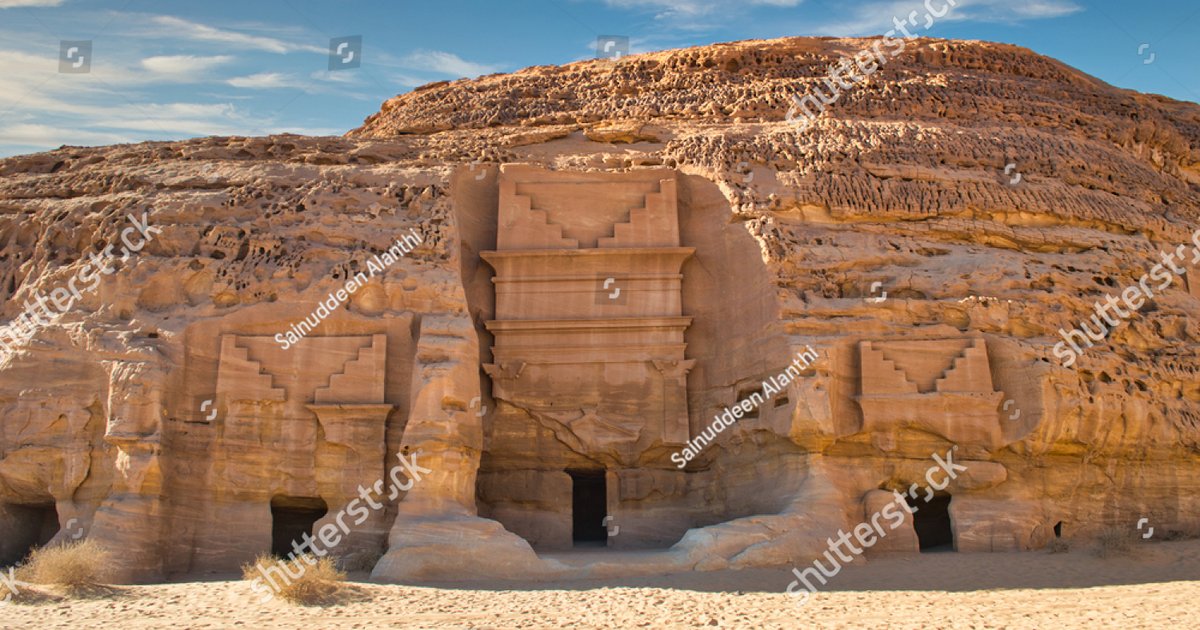
Al-Hijr, also known as Madain Salih, is one of the most significant Nabatean sites in Saudi Arabia, showcasing a rich history and ancient culture. This UNESCO World Heritage site highlights the importance of Nabatean civilization in the region.
Al-Hijr is strategically located as a meeting point for ancient trade routes connecting the Arabian Peninsula and the Levant. The city was established in the first century BC and flourished during the rule of the Nabateans, who were known for their skills in trade, agriculture, and architecture.
Details of the Site
Al-Hijr contains numerous archaeological features, including rock-hewn tombs, temples, and residential buildings. These landmarks reflect the ingenuity of the Nabateans in construction arts, as local sandstone was used to create unique architectural structures. The city also features inscriptions and wall paintings from that period, allowing visitors to gain insight into daily life and Nabatean culture.
Furthermore, Al-Hijr is an important tourist center, attracting visitors from around the world. The region has developed its tourism infrastructure to meet the needs of tourists, including hotels, restaurants, and cultural activities.
Background & Context
The history of Al-Hijr is closely linked to the Nabatean civilization, which was one of the most prominent civilizations in the Arabian Peninsula. The Nabateans were known for their extensive trade, dealing in spices, perfumes, and precious goods. This trade contributed to the prosperity of the city, making it one of the wealthiest cities of its time.
Over the centuries, Al-Hijr has undergone numerous political and social changes, yet it has maintained its status as one of the most important historical landmarks in the region. In recent years, efforts have increased to preserve the cultural and architectural heritage of Al-Hijr, contributing to a greater awareness of the significance of this historical site.
Impact & Consequences
Al-Hijr is a symbol of Arab cultural heritage, reflecting a rich history that contributes to the enhancement of national identity. Preserving this historical site has positive implications for tourism and the local economy, providing job opportunities and promoting sustainable development in the region.
Moreover, the growing interest in Al-Hijr reflects the importance of cultural heritage in strengthening relationships between Arab countries and the world. This interest demonstrates how culture and history can serve as bridges for communication and understanding among peoples.
Regional Significance
Al-Hijr exemplifies how ancient civilizations have influenced contemporary Arab culture. Exploring the history of Al-Hijr enhances pride in Arab heritage and encourages further research and studies on ancient civilizations in the region.
Additionally, Al-Hijr represents an opportunity to promote cultural tourism in Arab countries, which can contribute to boosting the national economy and increasing awareness of the importance of preserving cultural heritage.
In conclusion, Al-Hijr remains a symbol of Nabatean civilization, and its rich history is an integral part of Arab identity. Preserving this historical site reflects the commitment of Arab countries to maintain their cultural heritage and promote sustainable tourism.