French philosopher Thierry Paco explores the profound relationship between architecture and human identity in his new book, 'L'amour des lieux', published in Paris in 2025. The book raises philosophical questions about how places affect our experiences and feelings, and how architecture forms part of the narrative in literary works.
Paco argues that belonging to a 'place' is the reference point for the feelings expressed in literature, as any place can only be understood through the emotions it evokes, whether positive or negative. The book discusses a range of novelists, such as Marcel Proust and Annie Ernaux, to illustrate how each place carries with it a variety of emotions, forming what he calls the 'ecology of literary expression.'
Event Details
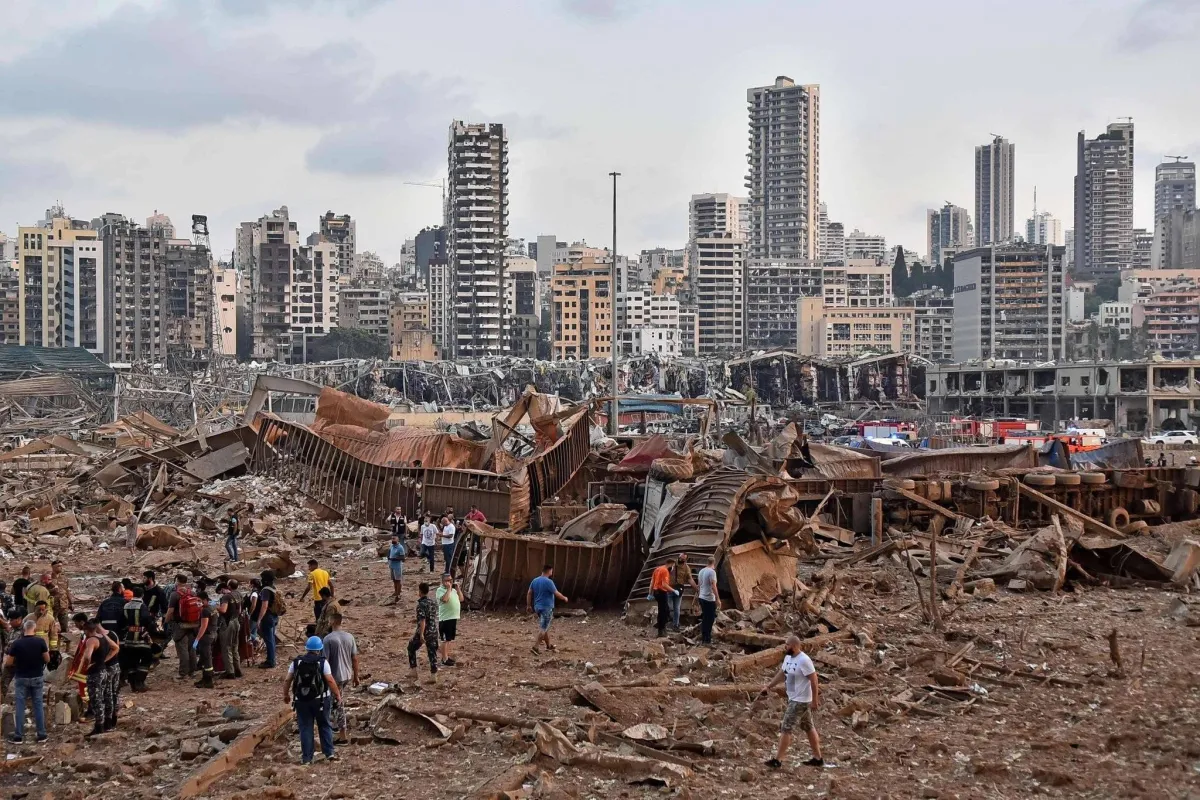
The chapters of the book include narrative references that span literary history, where Paco shows that places are not merely backdrops for events but are living characters that interact with the protagonists. The book highlights how architecture can shape literary imagination, considering the destruction caused by wars and natural disasters as part of this process, as it reshapes identity and belonging.
The book also addresses the experiences of exiles and the displaced, noting that each of them has a 'place' they long for, reflecting the deep human need for belonging. Through his examination of various literary characters' experiences, Paco demonstrates how memories associated with places play a crucial role in shaping individual and collective identity.
Background & Context
Historically, places have always been part of European cultural consciousness, with cities and rural areas serving as stages for historical and social events. By reviewing the experiences of cities such as Agadir, Berlin, and Baghdad, Paco sheds light on the impact of natural disasters and wars on urban identity, and how these events reshape collective memory.
The book also discusses how modern novels, especially after the Arab Spring, reflect the experiences of devastated cities, striving to reclaim lost memory. It addresses how novelists in the Arab world face new challenges in depicting places that have experienced significant destruction, highlighting the importance of architecture in shaping cultural identity.
Impact & Consequences
The book illustrates how architecture is not merely an art form but an expression of identity and belonging. By reviewing various experiences, Paco emphasizes how architecture can be a tool for resistance against forgetting, as novelists seek to reclaim memory through their narratives.
The book also points to the importance of preserving architectural heritage as part of cultural identity, reflecting how destruction can lead to the loss of collective memory. Through his examination of different experiences, the book shows how novels can play a role in reconstructing identity after disasters.
Regional Significance
In the Arab region, where many cities have experienced significant destruction due to wars, the book highlights the importance of architecture in shaping cultural identity. By examining the experiences of cities like Aleppo and Beirut, the book shows how novels can serve as a means to reclaim lost memory.
The book serves as a call to reflect on the relationship between architecture and literature, and how they can contribute to shaping identity and belonging. By reviewing various experiences, the book demonstrates how architecture is not just a backdrop but an integral part of human narratives.