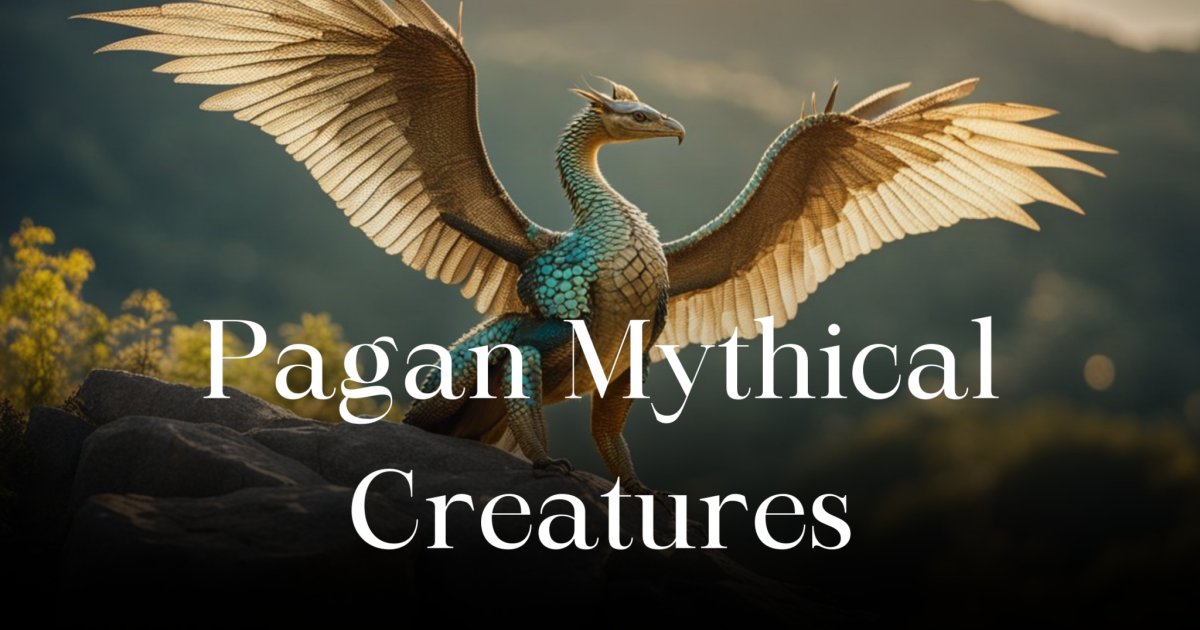
Creatures between reality and fantasy manifest in various cultures around the world, representing embodiments of the ideas and beliefs that have shaped societies throughout history. From legendary beings like dragons and phoenixes to imaginary creatures like fairies and dwarfs, these entities remain an integral part of cultural heritage.
Myths and folklore serve as a mirror reflecting the values and beliefs held by people, as these creatures are used in storytelling that conveys deep meanings. For instance, the dragon is seen as a symbol of power and dominance in Eastern cultures, while in Western cultures, it is often viewed as a symbol of evil.
Event Details
Mythical creatures vary across different cultures, with each society having its own unique beings that reflect its identity. In Arabic culture, jinn are among the most intriguing creatures, believed to inhabit a parallel world. Greek mythology features beings like cyclopes and satires, which symbolize the struggle between humanity and nature.
These creatures intertwine with literary arts, appearing in literature, poetry, and art. Writers and artists draw inspiration from these beings to create works that reflect human conflict and the challenges individuals face in their daily lives.
Background & Context
Historically, mythical creatures were used to explain natural phenomena that lacked scientific explanations. For example, earthquakes were attributed to the wrath of gods or supernatural beings. As science progressed, these beliefs began to fade, yet their influence remains present in popular culture.
These creatures also exist in folklore, with stories told about the adventures of heroes who confront them. Such tales are a part of cultural identity, passed down from generation to generation, enhancing the sense of belonging.
Impact & Consequences
The influence of mythical creatures extends into various fields, including cinema and video games. These beings are used as central elements in film and game production, contributing to the enrichment of popular culture. This usage reflects people's desire to return to their roots and explore the unfamiliar.
Moreover, these creatures play a role in promoting cultural tourism, as many seek to visit places associated with local myths, thus supporting the local economy.
Regional Significance
In the Arab region, mythical creatures are part of a rich cultural heritage. They are featured in folk arts and festivals, reinforcing cultural identity. Additionally, these beings inspire creativity among youth, who seek to explore these myths through various art forms.
In conclusion, creatures between reality and fantasy remain a fascinating topic, reflecting multiple aspects of human culture. By exploring these beings, we can gain a deeper understanding of the beliefs and histories of peoples, enhancing intergenerational communication and enriching the human experience.