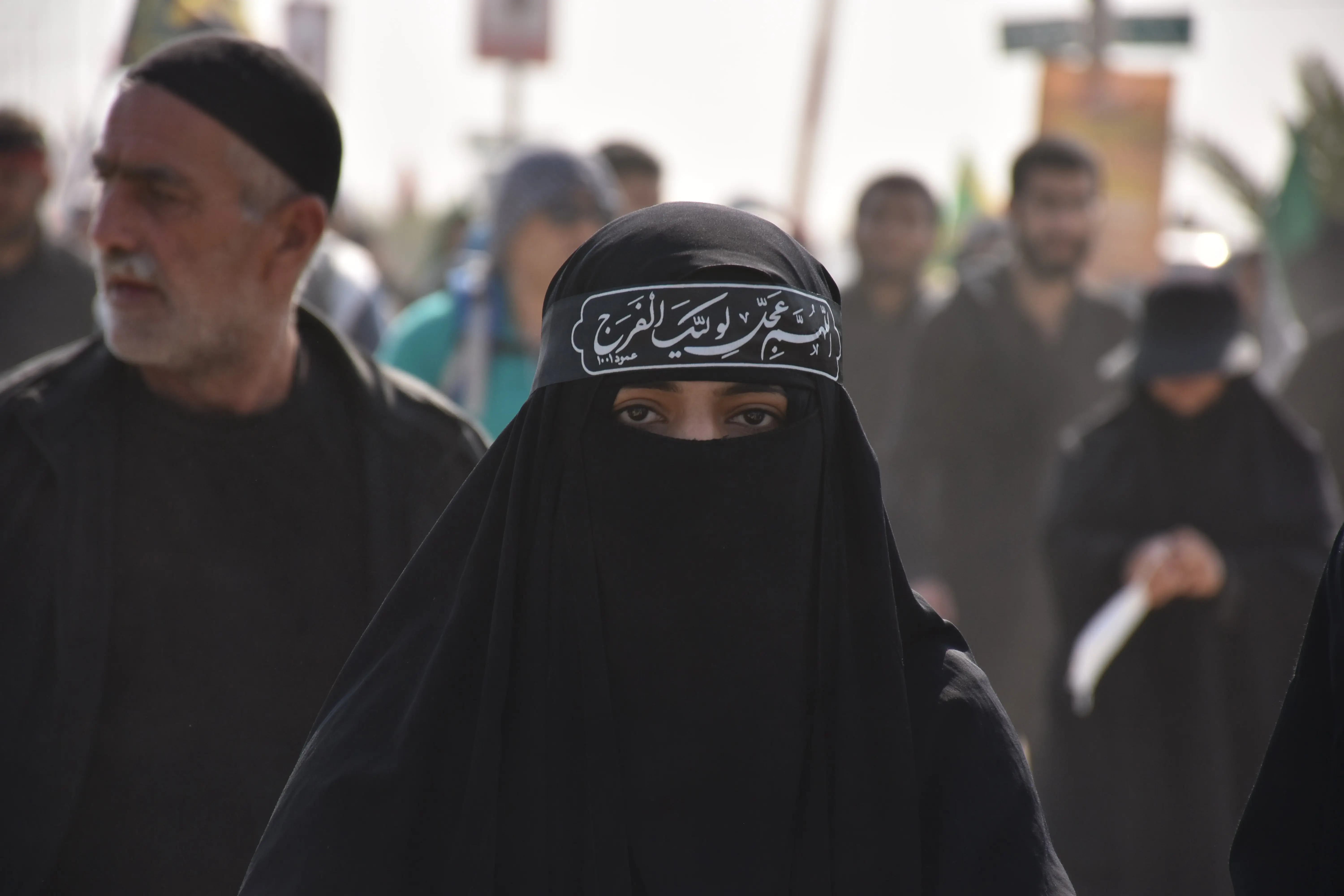
The contradictions in cultural and political identity in the region are evident, raising the question of true belonging between language and emotions. This disparity reflects the complex challenges faced by Arab societies.
Amid the multiple crises affecting the region, questions about identity and belonging are increasing. How can one speak Arabic while the heart leans towards another identity? This question sparks widespread debate among intellectuals and politicians.
Event Details
There are multiple narratives regarding identity in the Arab world, where history intertwines with culture and politics. In recent years, we have witnessed a rise in discourses expressing diverse affiliations, prompting questions about how to reconcile national belonging with cultural identity.
This phenomenon is particularly evident in communities living under external influences, where identity is shaped by international and local policies. Many individuals find themselves in an internal struggle between what they speak and what they feel.
Background & Context
Historically, the Arab region has undergone significant transformations that have led to the formation of multiple identities. From colonialism to civil wars, all these factors have contributed to shaping complex identities. Additionally, globalization and social media have played a role in amplifying these disparities.
Identity is also influenced by popular culture, where the impact of Israeli culture emerges in some Arab communities. This influence can lead to variations in feelings and affiliations, further complicating identity.
Impact & Consequences
The repercussions of this identity disparity extend beyond individual identity, affecting societies as a whole. Internal conflicts can lead to deep divisions, weakening the ability of communities to unite in the face of common challenges.
Moreover, these disparities may impact relations between Arab countries, potentially leading to variations in political and economic stances. This situation requires leaders and thinkers to consider new strategies to promote unity and understanding.
Regional Significance
In light of these challenges, it becomes essential to foster dialogue between different cultures. There should be spaces for discussion about identity and belonging, which can help build bridges between diverse communities.
In conclusion, understanding these disparities is a crucial step towards enhancing understanding and peace in the region. We must all work to promote Arab identity while respecting diversity and differences.