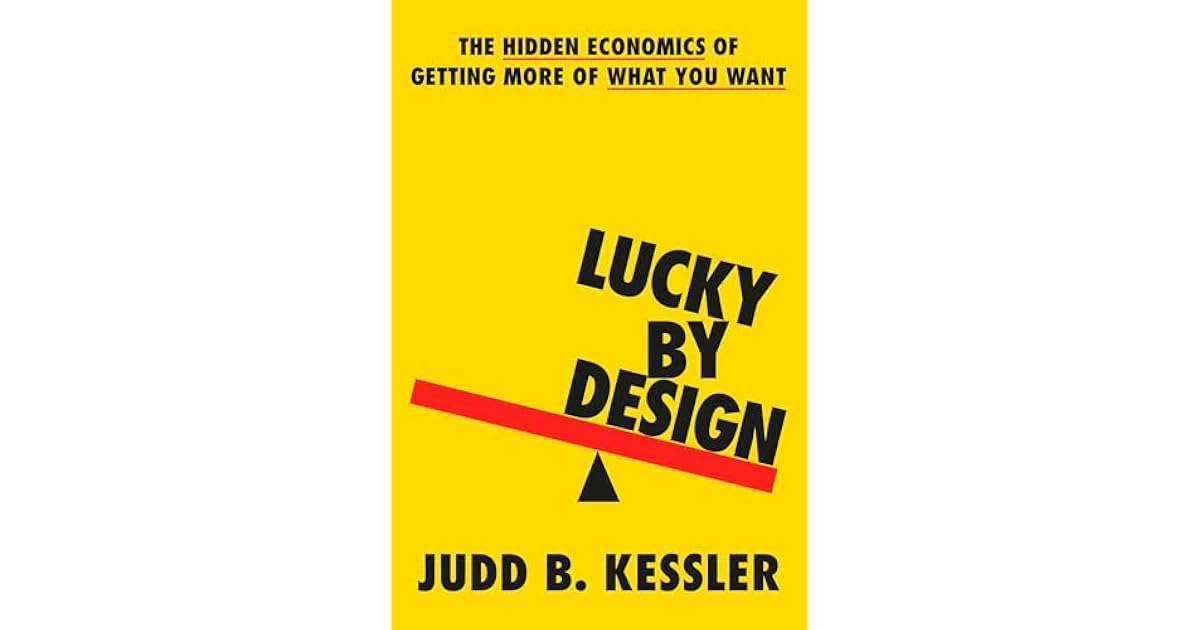
In an enlightening discussion, Barry reveals research by Jad Kessler, an economics professor at the Wharton School, about hidden markets that determine the value of desirable items like restaurant reservations. This research shows how these markets can influence our daily lives and economic decisions.
Kessler's research also includes a study on how resources are distributed among couples, providing new insights into financial decision-making in relationships. The discussion also addressed alternative methods for distributing concert tickets, opening the door to a deeper understanding of how resources are allocated in various social contexts.
Event Details
Kessler noted that hidden markets are not just a fleeting phenomenon; they are an essential part of the modern economy. These markets exist in multiple areas, from restaurant reservations to concert tickets, where values are allocated based on supply and demand. His research has shown that there are different ways these resources can be allocated more efficiently.
For instance, in the case of restaurant reservations, hidden markets can lead to prices that vary based on time and location, making it difficult for consumers to understand the true value of the service provided. This phenomenon also affects how couples make financial decisions, potentially leading to conflicts over how to allocate resources between partners.
Background & Context
Historically, hidden markets have been a controversial topic in economics. Previous research has demonstrated how social and psychological factors can influence individual decisions in markets. With the advancement of technology, these markets have become more complex, requiring researchers to understand the new dynamics that affect consumer behavior.
In recent years, there has been a growing interest in understanding how hidden markets influence social and economic behavior. This research has contributed to the development of new strategies for improving resource allocation, helping individuals make more informed decisions.
Impact & Consequences
Kessler's research is significant for understanding how markets operate in the modern world. It highlights how social and psychological factors influence individual decisions, which can lead to improved marketing and distribution strategies across various sectors. Additionally, this research may contribute to the development of more effective economic policies.
Furthermore, understanding how resources are allocated among couples can help enhance relationships and improve understanding between partners. This can lead to improved quality of life and increased personal satisfaction.
Regional Significance
In the Arab region, this research can have a significant impact on how local markets are understood. With the increasing reliance on technology in commerce and services, it becomes essential to understand how hidden markets affect consumer behavior. This knowledge can help Arab companies improve their marketing strategies and provide better services that meet customer needs.
Moreover, understanding how resources are distributed among couples can contribute to strengthening family relationships, positively reflecting on society as a whole. Amid current economic challenges, it is more important than ever to understand how these dynamics can affect our daily lives.