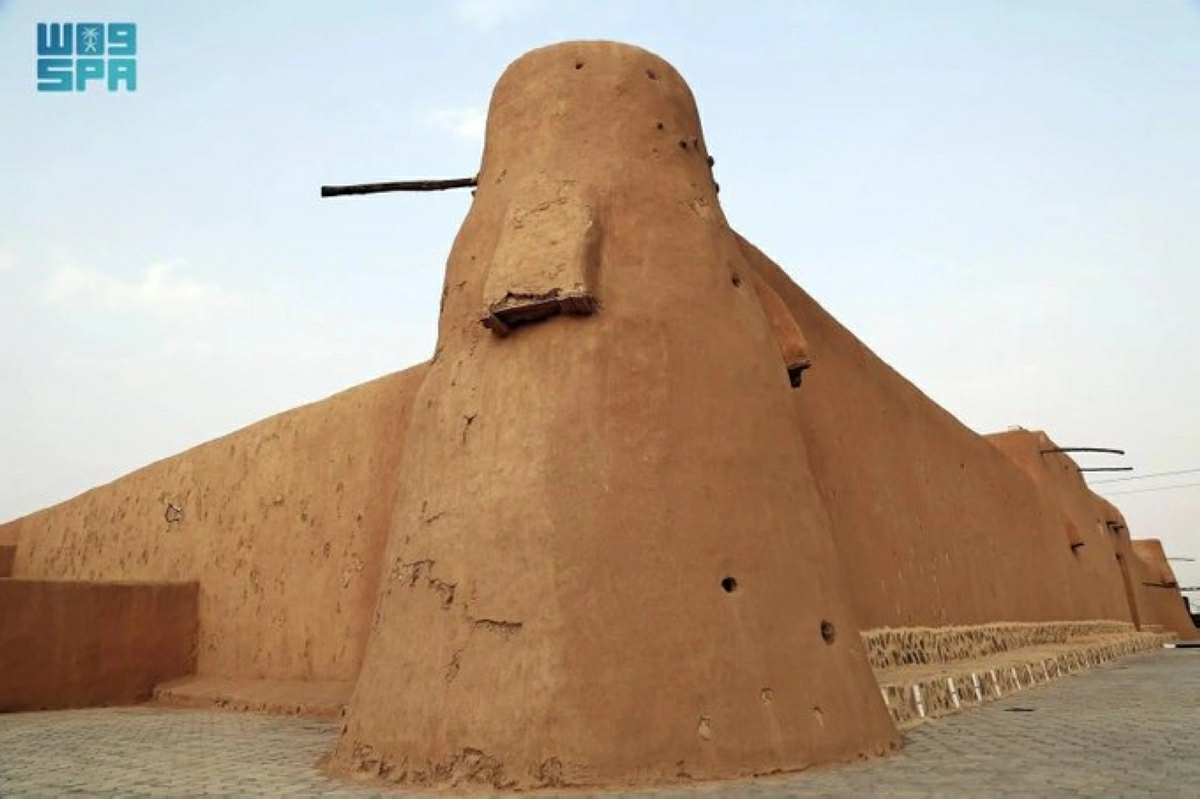
Lina Village, situated in the Nafud Desert in northern Saudi Arabia, is one of the most prominent historical landmarks that reflects the cultural and architectural heritage of the region. This village was established as one of the important caravan stops along the Darab Zubaida route, serving as a commercial and cultural hub that brought together various civilizations.
Lina is distinguished by its unique location on elevated land rich in water, which contributed to its prosperity throughout the ages. The village spans over 2 million square meters and contains more than 300 wells carved into the rock, which not only served as a source of water but also as significant geographical landmarks that carry stories and legends dating back thousands of years.
Details of the Landmark
The wells in Lina are an integral part of its history, providing water for local residents and travelers, and have become a source of inspiration for many legends and folk tales. The village also features heritage sites that reflect daily, religious, and economic life, such as the Palace of King Abdulaziz and the historic Lina market, which was a vibrant meeting point for traders from various parts of the Kingdom, Iraq, and the Levant.
Today, Lina is an open record of memory, representing a village made of clay and water, blending different cultures, making it a lasting symbol of harmony between people and place in the Northern Borders region.
Background & Context
Historically, Lina was a meeting point for trade caravans crossing the Nafud Desert, considered a major trade route between the Arabian Peninsula and neighboring countries. The establishment of the village dates back to ancient times when it was used as a center for the exchange of goods and cultures.
The historical landmarks in Lina showcase what life was like during that period, with markets bustling with traders and buyers, reflecting the cultural and economic diversity of the region. The ancient wells stand as witnesses to the traditional engineering skills employed by the inhabitants of those times.
Impact & Consequences
Today, Lina is an important tourist destination, attracting visitors from around the world who seek to explore its rich history and unique culture. Preserving these historical landmarks is vital for enhancing cultural tourism in the Kingdom, contributing to the support of the local economy.
The growing interest in Lina's heritage reflects the community's desire to maintain its cultural identity and underscores the importance of tourism as a tool for sustainable development. Raising awareness of Lina's history can help attract more tourism investments, benefiting the entire region.
Regional Significance
Lina represents a part of the rich Arab heritage, reflecting a long history of cultural and commercial exchange between peoples. The interest in such historical landmarks enhances mutual understanding among Arab countries and strengthens cultural ties.
Moreover, preserving the cultural heritage in Lina serves as a model for other Arab countries, demonstrating how history can contribute to building a strong national identity and promoting cultural tourism.