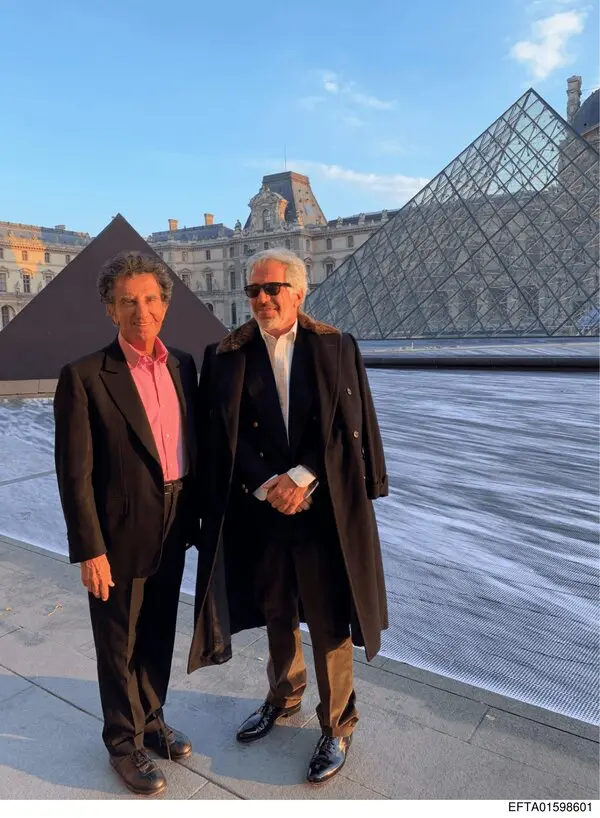
In the twilight of his life as a free man, Jeffrey Epstein, known for his ties to numerous sexual crimes, spent his time in Paris without appearing fearful of facing justice. He met with interior designers and architects, dined with Norwegian diplomats, and held meetings with athletes and thinkers from various nationalities.
These visits to Paris were part of Epstein's lifestyle that began in the early 2000s, where he consistently sought to build relationships with influential figures, helping him establish a social reputation that allowed him to mask his criminal activities.
Details of Epstein's Parisian Connections
During his stay in Paris, Epstein regularly met with prominent figures, including Russian mathematicians and former officials from Kuwait. Documents released by the U.S. Department of Justice last January revealed new details about his life in Paris.
His apartment located on Avenue Foch, known for its beauty and wealth, served as a gathering place for his guests, including young women, some of whom were reportedly trafficked to him through a French modeling agent. This apartment reflected a luxurious lifestyle, but it was also a stage for illegal activities.
Background & Context
Historically, Epstein was a controversial figure from the moment he began to forge a network of relationships with elites in finance and politics. He exploited his wealth and connections to build a strong social reputation, enabling him to manipulate laws and regulations. This strategy was not new; it was a recurring theme in every city he lived in, from New York to Florida.
In 2019, Epstein was arrested on charges related to sex trafficking, leading to a global scandal that unveiled many dark secrets about his life. This case raised questions about how he managed to evade justice for so long.
Impact & Consequences
The Epstein case raises numerous ethical and legal issues, reflecting how the wealthy and famous can circumvent laws. It also highlights the importance of strengthening laws related to human trafficking and protecting victims, especially in communities suffering from poverty and discrimination.
The implications extend beyond the United States, reaching across the globe, as concerns grow about the exploitation of women and girls in various societies. This case urges governments and communities to reconsider how they address issues of sexual assault and human trafficking.
Regional Significance
The Epstein case sheds light on how the wealthy exploit power and influence, necessitating the need for stronger laws to protect victims. It serves as a wake-up call for societies worldwide to address the systemic issues that allow such abuses to occur.
In conclusion, the Epstein saga is a stark reminder of the vulnerabilities within our legal systems and the urgent need for reform to ensure justice for all, particularly for the most vulnerable members of society.