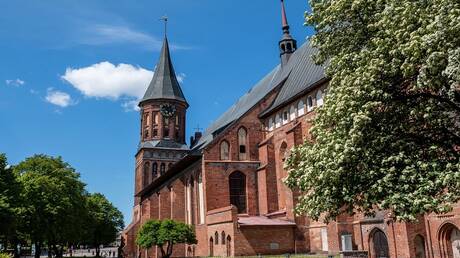
Kaliningrad is a unique destination that blends rich European heritage with modern Russian identity, making it a distinctive cultural and tourist attraction. Located on the Baltic Sea, its strategic position connects Eastern and Western Europe.
The city's history dates back to the 13th century when it was founded by the Teutonic Knights and was known as "Königsberg." Over time, it became a prominent cultural and scientific center, witnessing the birth of the famous philosopher Immanuel Kant, who left a profound impact on Western philosophy.
Event Details
Today, Kaliningrad hosts numerous historical and cultural landmarks that reflect its rich history. Among the most notable is the Kant Museum, which houses a collection of documents and artifacts related to the life and works of the philosopher. Visitors can also explore the ancient Königsberg Castle, a symbol of the city's history.
The city is also characterized by its natural beauty, featuring many parks and gardens that provide visitors with opportunities to enjoy the outdoors. Additionally, Kaliningrad is an important center for maritime industries and modern technology, reflecting its continuous development in the modern era.
Background & Context
Kaliningrad's history is complex, having transitioned from German to Russian control after World War II. This shift significantly impacted the city's identity and culture, as Russian elements were integrated into its cultural fabric. Today, Kaliningrad reflects a unique blend of cultures, making it a meeting point between East and West.
Despite the political challenges Russia has faced in recent years, Kaliningrad maintains its unique identity. The city serves as a living example of how to adapt to global changes, striving to promote tourism and culture as a means of economic development.
Impact & Consequences
Kaliningrad serves as a model for cities that have managed to preserve their cultural heritage amid political changes. This highlights the importance of culture in strengthening national identity, especially in regions that have undergone radical changes in their history. The city also plays a significant role in enhancing relations between Russia and European countries, contributing to improved mutual understanding.
The Russian government aims to boost tourism in Kaliningrad by organizing cultural and artistic events, which helps attract visitors from around the world. This approach reflects the importance of tourism as a tool for economic and social development.
Regional Significance
Kaliningrad's experience in preserving cultural identity and promoting tourism can serve as a model for Arab countries. Given the challenges some Arab nations face in maintaining their cultural heritage, Kaliningrad can inspire the development of effective strategies in this area.
Furthermore, enhancing cultural relations between Russia and Arab countries can contribute to improved mutual understanding and foster cooperation in various fields, including tourism and education.
In conclusion, Kaliningrad remains a unique city that combines history and culture, making it an intriguing destination for visitors from around the world. Its rich history and diverse identity make it a role model for adapting to global changes.