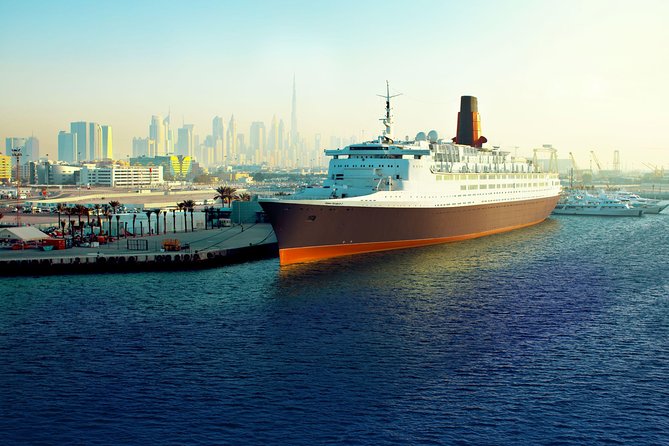
Queen Elizabeth 2, the historic ship that has been transformed into a hotel and tourist center in Dubai, is preparing to welcome visitors with a new array of offerings that reflect its rich heritage. These offerings are part of efforts to enhance cultural tourism in the UAE, providing visitors with a unique opportunity to explore the history of this iconic vessel.
The Queen Elizabeth 2 features a variety of activities, including guided tours, cultural events, and interactive experiences, making it an ideal destination for families and tourists alike. The ship also offers unique experiences that include dining in its luxurious restaurants and enjoying live artistic performances.
Details of the New Offerings
The new offerings at Queen Elizabeth 2 include artistic and cultural events suitable for all ages. Through these events, visitors can learn about the ship's history and its role in maritime navigation, as well as explore British cultural heritage. The activities have been designed to be interactive, allowing visitors to immerse themselves in a one-of-a-kind experience.
Queen Elizabeth 2 aims to provide a comprehensive experience for visitors, where they can enjoy guided tours that include detailed historical information, as well as educational workshops related to arts and crafts. These activities aim to enhance cultural awareness and provide an enjoyable educational experience.
Background & Context
Established in 1967, Queen Elizabeth 2 was one of the largest and most luxurious cruise ships in the world. Over the years, the ship has sailed around the globe, making it a symbol of British maritime heritage. In 2008, the ship was converted into a hotel and tourist center in Dubai, contributing to the enhancement of tourism in the region.
Queen Elizabeth 2 is part of maritime history, having witnessed many significant historical events. By transforming it into a tourist destination, this heritage is preserved and presented to future generations, reflecting the importance of maritime culture in shaping national identity.
Impact & Consequences
The new offerings at Queen Elizabeth 2 represent an important step towards enhancing cultural tourism in the UAE. By providing unique experiences, the ship aims to attract more visitors, contributing to the local economy. These offerings also reflect the UAE's commitment to preserving cultural heritage and presenting it in an innovative manner.
These initiatives contribute to enhancing Dubai's status as a global tourist destination, offering visitors rich cultural experiences. It is expected that these offerings will increase the number of tourists coming to the UAE, thereby boosting economic growth and creating new job opportunities in the tourism sector.
Regional Significance
Queen Elizabeth 2 serves as an example of how to preserve cultural heritage and present it innovatively. Other Arab countries can benefit from this model by developing cultural tourism projects that reflect their history and heritage. By enhancing cultural tourism, Arab nations can attract more visitors and strengthen the local economy.
In conclusion, Queen Elizabeth 2 symbolizes maritime and cultural heritage, offering visitors a unique opportunity to explore its rich history. Through the new offerings, the ship aims to enhance cultural tourism in the UAE, contributing to local economic growth and reflecting the importance of cultural heritage in shaping national identity.