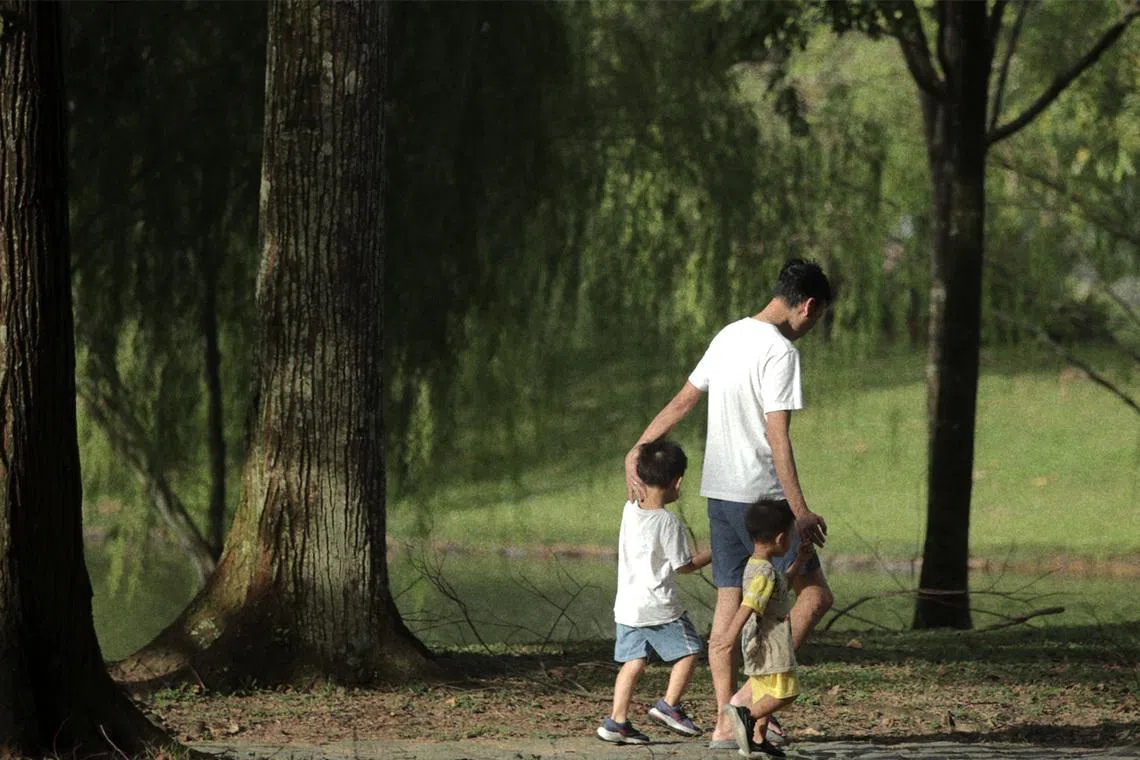
Amid the rapid social changes occurring worldwide, questions about how to improve parenting skills in Singapore are on the rise. Some parents emphasize the necessity of not comparing themselves to their parents' methods but rather working on developing new approaches that align with modern demands.
Parenting is currently a significant challenge, especially with the daily pressures faced by parents. Two parents in Singapore highlighted the importance of focusing on modern parenting techniques instead of relying on past experiences. This discussion reflects a shift in understanding parenting and its role in children's lives.
Event Details
In their discussions, parents confirmed that comparing to old parenting styles can lead to feelings of pressure and frustration. Each generation faces different challenges, necessitating new methods that fit current circumstances. They also pointed out the importance of effective communication with children and understanding their psychological and social needs.
These modern methods include enhancing family relationships by spending quality time with children, listening to their feelings, and supporting them in achieving their dreams. Additionally, the positive use of technology can contribute to improving the parenting experience by providing educational and interactive resources.
Background & Context
Historically, parenting was viewed as a traditional responsibility, with parents following their own parents' methods without considering social and cultural changes. However, with the emergence of new concepts around education, parents have begun to reevaluate their approaches. In Singapore, where economic and social pressures are increasing, adopting new methods that align with modern life has become essential.
Studies indicate that modern parenting requires a blend of care and support, in addition to guidance. This demands that parents be more open to learning and adapting to changes.
Impact & Consequences
Adopting new parenting methods can significantly impact children. Children raised in a supportive and understanding environment have better opportunities for future success. Moreover, these methods enhance children's mental health and help them develop social skills.
Furthermore, improving parenting skills can reduce stress within the family, contributing to a positive environment. This, in turn, affects society as a whole, as happy families contribute to building a healthy and stable community.
Regional Significance
In the Arab world, parents face similar challenges in raising children amid social and economic changes. Many parents feel pressured to meet traditional societal expectations, which may influence their parenting styles. Therefore, adopting new methods can positively impact Arab families.
Successful experiences in Singapore can serve as an inspiration for parents in the Arab region, helping them develop their skills and improve their relationships with their children. Understanding children's needs and adapting to changes can contribute to building a more successful new generation.
The discussion on how to improve parenting skills in Singapore reflects a global shift in understanding parenthood. It is crucial for parents to adopt new methods that align with modern times, contributing to improving the lives of children and families overall.