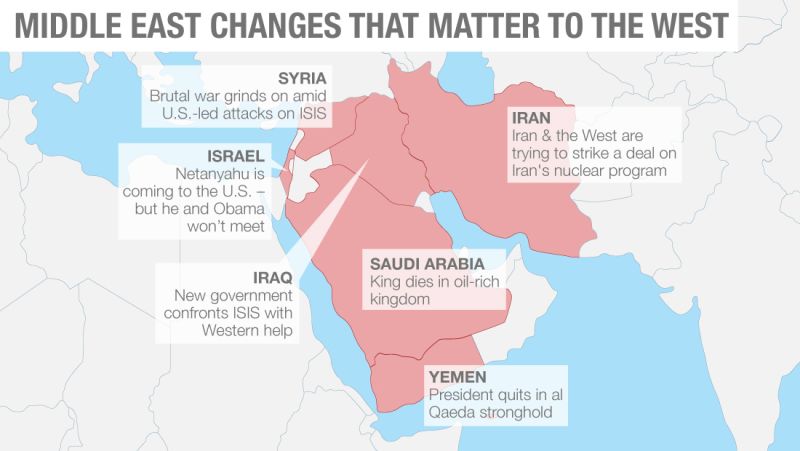
The Middle East is experiencing radical transformations where political imaginations intertwine with lived realities. These new dynamics reflect profound changes in the regional landscape.
In recent years, the Middle East has witnessed significant shifts in the balance of power, with some countries beginning to reassess their foreign and domestic policies. These changes are not merely reactions to current crises but reflect a new vision for the region's future.
Details of the Event
There are multiple reasons behind these transformations, ranging from ongoing conflicts to economic and social changes. For instance, political crises in certain countries have led to the emergence of new movements seeking change. Additionally, the economic challenges faced by nations, such as rising unemployment rates and declining growth, contribute to driving these transformations.
Moreover, climate change and its impact on natural resources play a significant role in shaping new policies. Countries that heavily relied on oil are starting to seek sustainable alternatives, altering the nature of economic relations among them.
Background & Context
Historically, the Middle East has undergone numerous political and social transformations. Since the end of World War II, the region has been a stage for multiple conflicts, from the Arab-Israeli conflict to civil wars. These events have shaped the identity of the region and influenced relations between countries.
In recent years, with the emergence of new powers like China and Russia, countries in the Middle East have begun to reassess their alliances. These new dynamics create both opportunities and challenges, prompting nations to think deeply about their future strategies.
Impact & Consequences
These transformations affect regional stability, potentially leading to new conflicts or opportunities for cooperation. Countries that can adapt to these changes will be better positioned to achieve sustainable development.
On the other hand, instability can lead to an influx of refugees and increased tensions between nations. Therefore, understanding these dynamics is vital for policymakers in the region.
Regional Significance
These transformations directly impact Arab countries, as they may reshape relationships among them. Regional cooperation may become essential to address common challenges, such as food and water security.
Additionally, political transformations could lead to the emergence of new powers in the region, necessitating Arab nations to consider new strategies for cooperation and integration.
In conclusion, the interplay of imagination and reality in the new Middle East is complex, requiring nations and communities to think deeply about how to navigate these changes. The future holds both opportunities and challenges, and we must be prepared to face them.