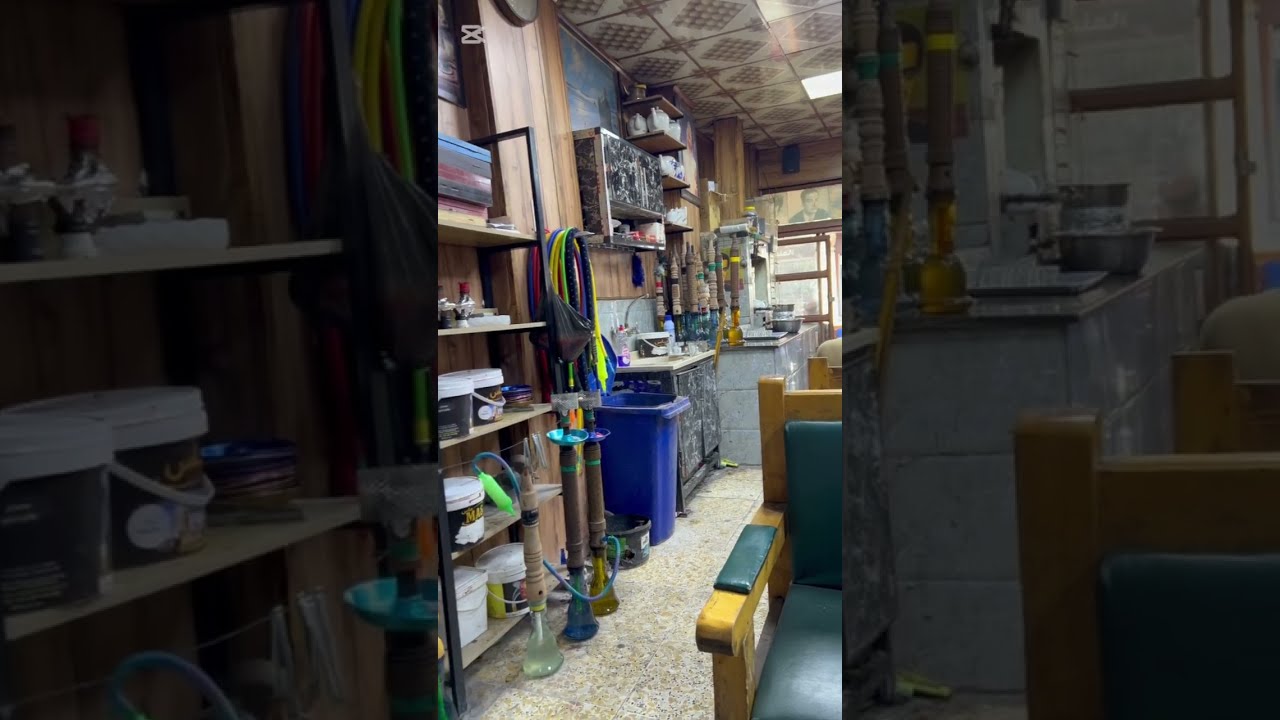
Al-Rasheed Street in Baghdad, dubbed the 'Republic of Cafes' by critic Malik Al-Matlabi, serves as a sanctuary for visitors looking to escape the pressures of daily life. Along its length, a series of historic cafes retain their charm, making it a haven for both residents and tourists alike.
The cafes on Al-Rasheed Street embody the spirit of the city, where people gather to exchange conversations and enjoy the ambiance. In these cafes, time flows differently; the noise of the outside world fades, and life becomes more tranquil. Despite the challenging economic and social conditions faced by the country, these cafes remain cultural and artistic hubs, preserving their unique allure.
Details of the Cafes
The 'Republic of Cafes' houses a collection of establishments that date back decades, where writers, artists, and intellectuals converge. These venues are not merely coffee shops; they are cultural spaces that embrace various art forms, from poetry to music. Al-Matlabi describes these cafes as places where the boundaries of time and space dissolve, granting visitors a sense of the rich history surrounding them.
The cafes on Al-Rasheed Street are characterized by their diversity, allowing visitors to choose between a traditional cafe serving Arabic coffee and a modern establishment offering contemporary beverages. This variety reflects the cultural and social changes Baghdad has undergone over the years, enhancing the street's status as a cultural and tourist destination.
Historical Context
The history of Al-Rasheed Street dates back to the Ottoman era, where it was considered one of Baghdad's main commercial thoroughfares. Over time, this street has become a symbol of Iraqi culture, witnessing numerous historical and social events. In recent years, the street has faced various challenges, including armed conflicts and political unrest, yet the cafes have remained resilient as symbols of cultural heritage.
Today, the street serves as a meeting point for multiple generations, where young people and the elderly come together to share ideas and memories. This interaction between generations reflects the depth of Iraqi culture and strengthens social bonds within the community.
Impact and Significance
The cafes on Al-Rasheed Street act as a refuge for many, providing an opportunity to escape the stresses of daily life. This positive impact on the mental and social well-being of visitors cannot be overlooked. Additionally, these cafes play a crucial role in promoting cultural tourism, as many tourists visit these places to learn about Iraqi culture.
Moreover, the cafes contribute to supporting the local economy by providing job opportunities for many young people, thereby helping to improve economic conditions in the area. This interplay between culture and economy highlights the importance of these venues in fostering sustainable development.
Significance in the Arab Region
The experience of Al-Rasheed Street serves as a model for many Arab cities facing similar challenges. Cafes in these cities can be places for revitalizing cultural spirit and enhancing social connections. Preserving cultural heritage through these venues is vital in confronting contemporary challenges.
Ultimately, the cafes on Al-Rasheed Street symbolize resilience and culture, reflecting a rich history and offering a unique experience for visitors. These places are not just spots for food and drink; they are cultural centers that enhance Iraqi identity and contribute to building a cohesive community.