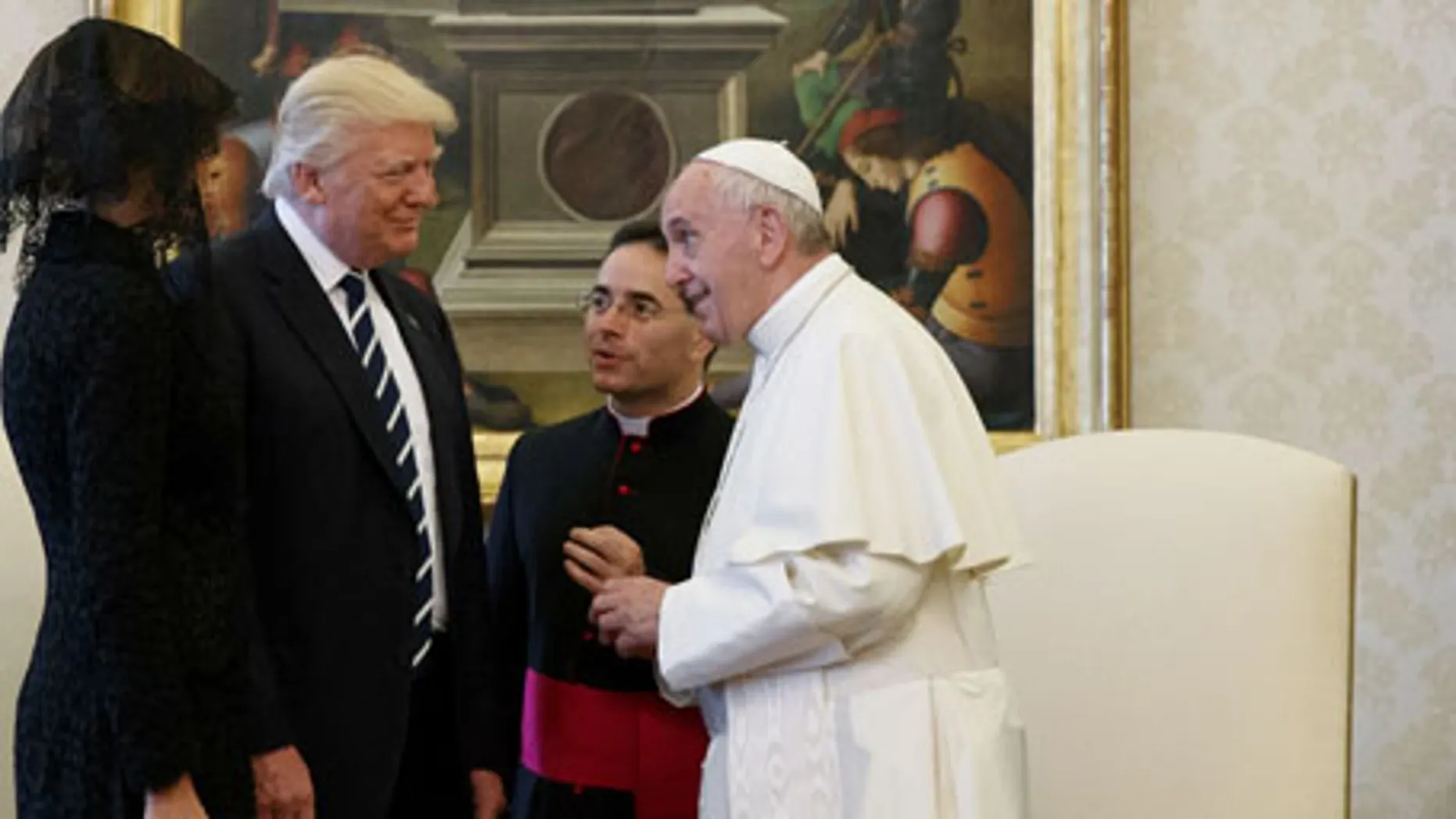
The deep cultural crisis is manifested in the ongoing conflict between Pope Leo XIV and President Donald Trump, where this confrontation reflects an urgent need for moral authority amidst political chaos and increasing wars.
In an opinion piece published by The New York Times, American writer Kristin Imba emphasized that Trump has launched a "poorly thought-out and unpopular war on Iran," resulting in heightened tensions and threats that have been described as "extermination language." In contrast, the Pope has emerged as a moral voice advocating for dignity, understanding, and forgiveness, significantly influencing American public opinion.
Details of the Event
The Pope has publicly condemned Trump's threats, stressing the importance of ethical principles in the face of what he described as the "illusion of absolute power." These words were not merely statements but a call for many Americans to express their rejection of war, reflecting a shift in public consciousness towards moral issues.
This moment is pivotal, as the Catholic Church presents a strong moral discourse that distinguishes between good and evil, demanding justice and peace. Amid the weakening of political parties and governments, the Church stands out as a historical spiritual reference capable of providing an independent moral vision.
Background & Context
The roots of this conflict trace back to the twentieth century, where secular liberalism seemed sufficient to provide meaning and stability. However, this model began to collapse, as capitalism no longer guaranteed stability or justice, leading to feelings of isolation and anxiety among individuals.
Media reports indicate a growing interest in Catholicism, suggesting a "quiet revival" within the Church. Although the numbers do not support a significant surge in membership, the symbolic appeal of this idea remains strong, especially among younger generations seeking deeper meaning in their lives.
Impact & Consequences
Catholicism today is seen as more compelling than other Christian movements, such as Protestantism, which has lost credibility due to its political associations. Meanwhile, the Catholic Church has maintained its moral independence, enabling it to confront authority from the outside.
The current clash between the Pope and Trump not only reflects a renewed religious interest but also indicates a broader cultural crisis, as people seek moral authority when politics fails. This Catholic moment reflects a deep desire for a voice capable of confronting injustice without fear.
Regional Significance
In the Arab region, these dynamics may reflect a shift in how religion and politics are understood. These events could enhance dialogue around moral values in Arab societies, contributing to the formation of a new identity that transcends political divisions.
In conclusion, the conflict between Pope Trump is not merely a political dispute but embodies a deeper crisis related to the search for meaning and moral values in a changing world.