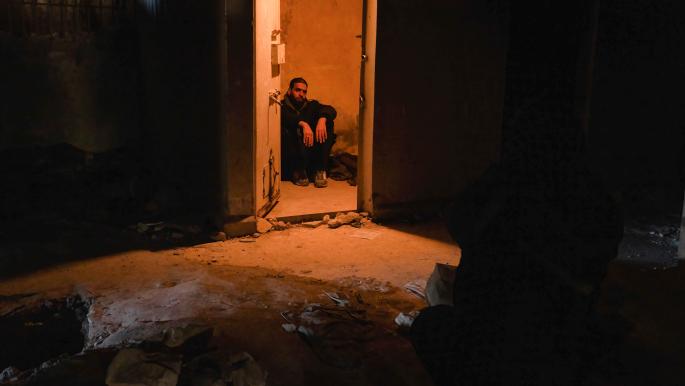
Debates among comrades reveal differing views on revenge, with some rejecting individual retribution while others grapple with anger and fear of becoming oppressors. This dynamic highlights a deep struggle between the desire for justice and the potential dire consequences of revenge.
In the current circumstances, a question arises about how to address injustice. While some seek to achieve justice through revenge, others believe this path may lead to a cycle of violence. The idea of revenge may seem tempting in moments of anger, but it carries significant risks that could exacerbate the situation.
Diverse Opinions on Revenge
These differing opinions manifest in discussions among comrades, where some express concern that revenge could lead to a loss of human identity. Instead of serving as a means to achieve justice, revenge may transform into a tool for personal vendetta, intensifying conflict and deepening wounds.
Some comrades emphasize the importance of seeking alternative solutions, such as dialogue and understanding, as a way to overcome crises. These solutions may prove more effective in achieving justice without slipping into a cycle of revenge.
Background & Context
Historically, many societies have witnessed similar conflicts where concepts of revenge and justice intertwine. Often, these conflicts have led to worsening conditions rather than improvement. Understanding these dynamics can help guide current discussions toward more sustainable solutions.
In the Arab context, these issues are clearly evident in many countries suffering from internal conflicts. There is a pressing need to rethink the concept of justice and how to achieve it without resorting to revenge.
Impact & Consequences
The inclination toward revenge can lead to negative long-term outcomes, as it may contribute to a culture of violence and widen gaps between communities. In contrast, peaceful solutions can foster trust and enhance social cohesion.
The current situation demands new strategies for addressing crises, where justice should be based on foundations of dialogue and understanding, not revenge. This shift in thinking may be key to achieving peace and stability in conflict-affected communities.
Regional Significance
Recent events in the region indicate that revenge may exacerbate crises rather than resolve them. Understanding these dynamics can help direct efforts toward building more stable communities. Instead of slipping into a cycle of revenge, societies should strive to achieve justice through dialogue and reconciliation.
Ultimately, the question remains: how can justice be achieved without slipping into revenge? Answering this question requires deep reflection and cooperation among all parties involved.