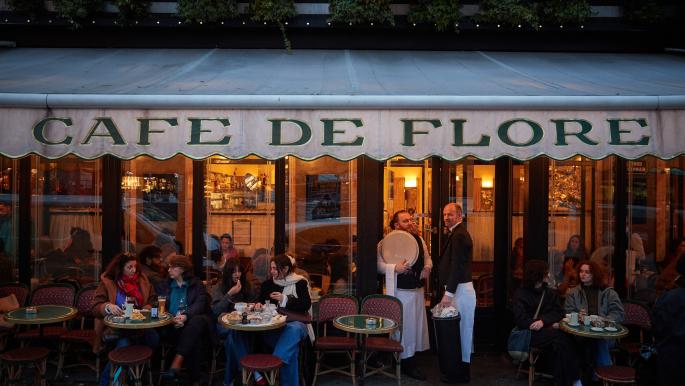
Cafés are considered rich literary spaces that pulse with life, where stories are shaped by daily conversations among people. In these places, friends meet and exchange ideas, creating a fertile environment for creativity and expression. However, this phenomenon is witnessing a noticeable decline in light of the digital isolation that dominates the lives of many.
In the past, cafés were regarded as cultural platforms where writers, poets, and artists gathered to exchange ideas and engage in discussions. These spaces contributed to shaping the cultural and social identity of communities. Nevertheless, the shift towards digital isolation, where many prefer to communicate through screens rather than face-to-face meetings, has begun to negatively impact this tradition.
The Importance of Cafés as Social Interaction Spaces
The significance of cafés as places for social interaction is evident, as they serve as a literary mine rich with stories and human experiences. These spaces host individuals from various backgrounds, enriching discussions and the exchange of ideas. However, the social and technological changes witnessed globally in recent years have led to a decline in this role.
Studies show that many individuals now prefer to communicate via social media, reducing the need for direct meetings in cafés. This shift reflects a change in lifestyle, as people have become more occupied with technology and less connected to traditional spaces.
Background & Context
Historically, cafés have been considered cultural and social centers. Since the 19th century, they played an important role in social and political life, serving as venues for exchanging ideas and discussing current issues. Over time, these spaces evolved to become centers for creativity and the arts.
However, the digital isolation we witness today poses a significant challenge to this tradition. Many now prefer to spend their time browsing the internet and consuming digital content rather than interacting with others in public spaces. This change could lead to a loss of social connections that were an essential part of daily life.
Impact & Consequences
The decline of cafés as literary and social spaces has significant implications for culture and society. With reduced direct interaction, opportunities for creativity and intellectual exchange may diminish. Additionally, this shift could increase feelings of loneliness and isolation among individuals, negatively affecting mental health.
Moreover, the decline of cafés as places for social interaction could impact cultural and artistic industries, as many artists and writers rely on these spaces to exchange ideas and promote their work. Consequently, the loss of these venues may lead to a decrease in cultural and artistic production.
Regional Significance
In the Arab region, cafés are an integral part of social and cultural life. They serve as centers for communication and the exchange of ideas, reflecting the cultural diversity within Arab communities. However, digital isolation threatens this tradition, necessitating a rethinking of how to enhance social interaction in these spaces.
Arab communities must seek ways to preserve the role of cafés as places for cultural and social interaction. By organizing cultural and literary events, the role of these spaces in daily life can be strengthened, contributing to the enhancement of social bonds and cultural identity.
In conclusion, cafés are not merely places to drink coffee; they are vital spaces that reflect culture and history. With the challenges they face amid digital isolation, we must work to revive this important cultural tradition.