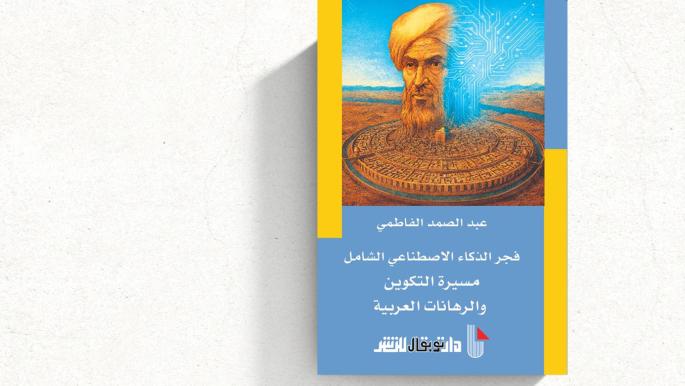
The book by Moroccan researcher Abdel-Samad Fatimi explores the historical and philosophical journey of artificial intelligence, highlighting the evolution of this vital field and its increasing impacts in the modern era. The book also discusses the current transformations in artificial intelligence, with a focus on the digital sovereignty issues that concern Arab countries.
Today, artificial intelligence is considered one of the most prominent fields of research and development, contributing to changing many aspects of daily life. Through this book, Fatimi aims to provide a comprehensive view of how artificial intelligence has evolved from its beginnings in Islamic civilization to its current role in Silicon Valley.
Event Details
The book addresses the history of artificial intelligence since its inception, noting that Arab philosophers in the Middle Ages were pioneers in thinking about intelligence and mechanical reasoning. It also reviews how these ideas developed to become part of modern sciences, leading to the emergence of advanced technologies in this field.
Moreover, Fatimi discusses the current transformations in artificial intelligence, including its use in fields such as medicine, industry, and services. He highlights the challenges facing Arab countries in this context, especially regarding digital sovereignty and data protection.
Background & Context
In recent years, artificial intelligence has become an integral part of global technological transformations. With the increasing reliance on these technologies, issues of digital sovereignty emerge as one of the main challenges facing countries, particularly in the Arab world. The book discusses how Arab countries can adopt effective strategies to ensure their digital sovereignty amid these transformations.
Fatimi also touches on the importance of cooperation among Arab countries in the field of research and development in artificial intelligence, indicating that such collaboration could enhance the technological capabilities of Arab nations and reduce the digital gap between them and developed countries.
Impact & Consequences
Fatimi asserts that artificial intelligence holds tremendous potential for improving quality of life, but it also comes with significant challenges. Among these challenges are the ethical issues related to the use of this technology and the importance of establishing regulatory frameworks that protect individual rights and ensure the safe use of these technologies.
The book also notes that countries that can effectively harness artificial intelligence will be at the forefront of advanced nations, underscoring the importance of investing in education and training in this field.
Regional Significance
The book serves as a call for Arab countries to adopt clear strategies in the field of artificial intelligence, as this could contribute to enhancing economic and social development. Fatimi emphasizes the necessity of having a comprehensive vision that takes into account the challenges and opportunities presented by artificial intelligence.
In conclusion, the book offers an integrated view of artificial intelligence, indicating that the future holds many opportunities and challenges, which requires Arab countries to be prepared to proactively face these changes.