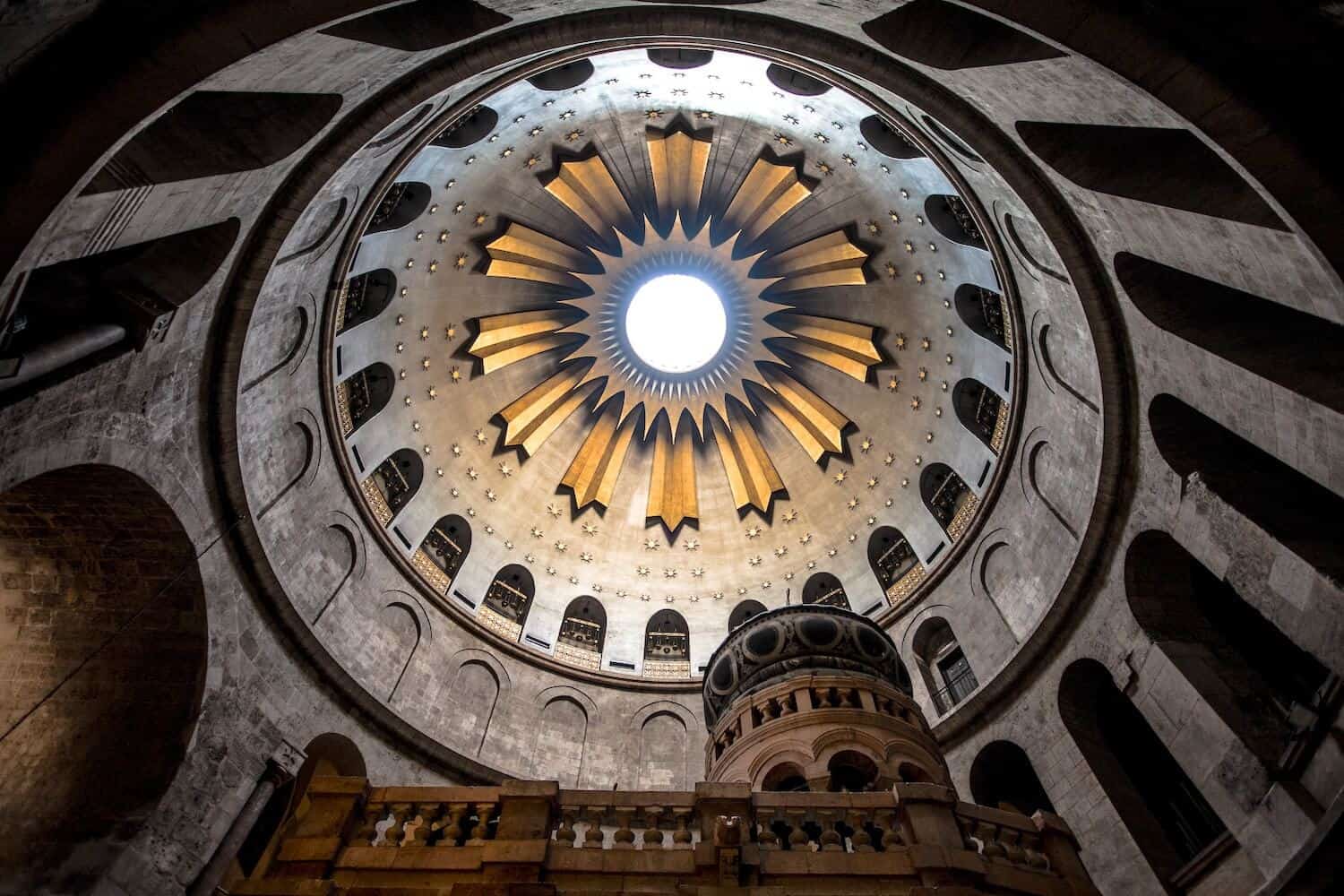
The Resurrection Church in Jerusalem is one of the most significant religious and historical landmarks in the world. It reflects a long history of conflict and coexistence among various cultures. Located in the heart of the Old City, it is considered a sacred place for Christians, believed to be the site where Christ was buried and resurrected.
Established in the 4th century AD, the church has undergone numerous modifications and renovations throughout the ages. It showcases a blend of Byzantine and Roman architecture, making it a living example of the architectural evolution of that period. The church houses many icons and murals that narrate important religious stories.
Event Details
The Resurrection Church attracts millions of visitors from around the world each year, as crowds come to celebrate Christian holidays, especially Easter. In recent years, the church has seen extensive renovations to enhance the visitor experience and ensure the preservation of historical landmarks. These renovations include the restoration of ancient icons and the modernization of public facilities.
Despite being a sacred place, the Resurrection Church has not been free from political conflicts. It has witnessed tensions among different Christian denominations, leading to disputes over access rights to holy sites. These tensions reflect the challenges faced by the holy city as a whole.
Background & Context
The history of the Resurrection Church is closely linked to the history of Jerusalem as a whole. The city, considered sacred to the three major religions: Judaism, Christianity, and Islam, has seen numerous wars and conflicts throughout the ages. The church was established during a time when Jerusalem was under Byzantine control, built on a site believed to be where Christ was crucified.
Over the centuries, the church has experienced multiple destructions and reconstructions, reflecting the political and religious changes in the region. During the Middle Ages, it became a center for Christian pilgrimage, attracting pilgrims from all over Europe.
Impact & Consequences
The Resurrection Church is a symbol of coexistence among different cultures, drawing visitors from all religions. This interaction between local and international visitors enhances cultural and religious dialogue. Additionally, the church plays an important role in the local economy, contributing to tourism and providing job opportunities.
However, the political tensions in the region affect the situation at the church. Any escalation in conflicts may negatively impact tourism and increase tensions among different communities. Therefore, maintaining peace in the area is vital to ensure the continuity of this historical landmark.
Regional Significance
The Resurrection Church is part of the cultural and religious identity of the Arab region. The challenges faced by the church reflect the broader challenges encountered by communities in the Middle East. Preserving sacred places like the Resurrection Church is essential for maintaining cultural and religious diversity in the area.
In conclusion, the Resurrection Church remains a symbol of hope and coexistence, representing a long history of faith and resilience. Preserving this historical landmark requires joint efforts from all stakeholders to ensure the continuity of its cultural and religious heritage.