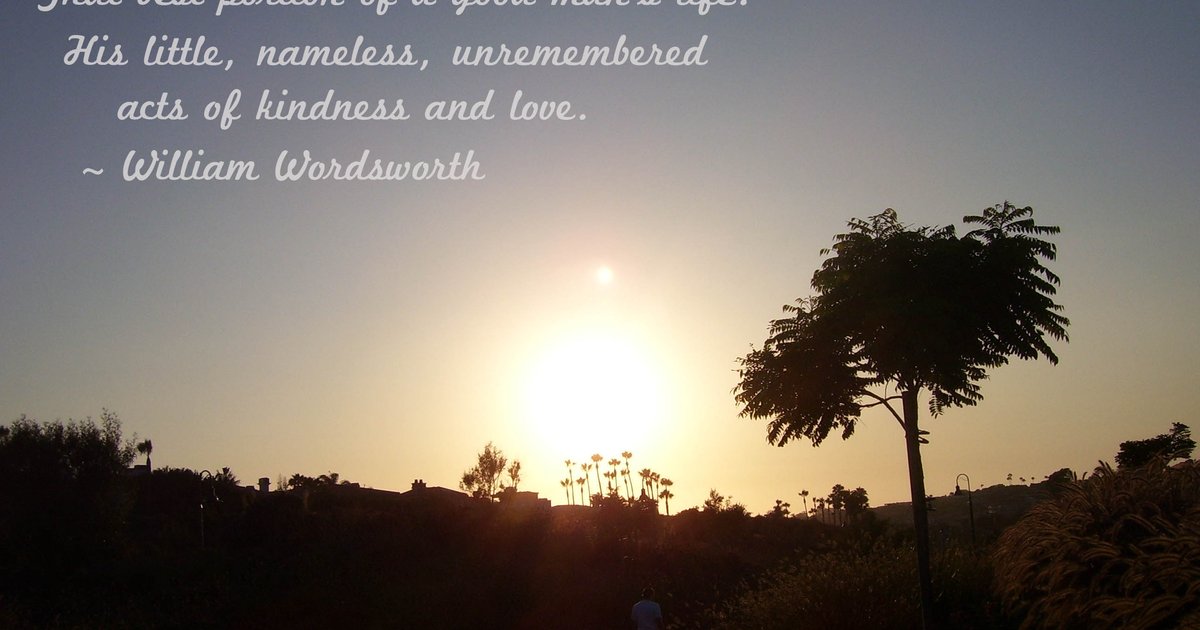
Amid growing questions about the value of good deeds, a scholar from the Ministry of Awqaf affirmed that such acts do not go unnoticed, even without positive responses. He explained that good deeds are acts of kindness offered without expecting anything in return, reflecting noble human values.
The scholar pointed out that good deeds are fundamental to the fabric of society, as they contribute to strengthening social bonds and enhancing the spirit of cooperation among individuals. In this context, he emphasized that good deeds should be practiced regardless of reactions, as the true impact of kindness transcends the present moment.
Details of the Discussion
Discussions about the concept of good deeds and their importance in daily life are on the rise. In this regard, the scholar shared some examples illustrating how kindness can be practiced across various fields, whether social or economic. He also noted that good deeds encompass multiple dimensions, including giving, helping, and providing both moral and material support.
Furthermore, he addressed the importance of promoting a culture of kindness within society, as this culture can contribute to building a cohesive and strong community. He stressed the necessity of raising awareness about the value of good deeds and their positive effects on individuals and communities.
Background & Context
Historically, kindness is considered one of the core values in many cultures and religions. Heavenly religions have urged the importance of giving and helping, reflecting the human spirit. In Arab societies, kindness is an integral part of cultural and religious identity.
With the increasing social and economic challenges, it has become essential to reconsider how kindness is practiced. Many individuals feel discouraged when they do not receive positive feedback for their good actions, which may lead them to withdraw from offering help.
Impact & Consequences
The absence of positive feedback can lead to a decline in the level of kindness within society, negatively affecting social relationships. Therefore, it is crucial to encourage individuals to continue giving without expecting anything in return. Kindness is not merely an act to be performed; it is a way of life that reflects noble values.
Moreover, promoting a culture of kindness can help improve social conditions, as it can assist in reducing gaps between individuals and enhancing the spirit of cooperation and social solidarity.
Regional Significance
In the Arab region, kindness is considered part of cultural and religious identity. Given the challenges facing Arab communities, it is essential to reinforce the values of kindness and cooperation among individuals. Kindness can contribute to building more cohesive and resilient societies.
In conclusion, we must remember that kindness is an act performed from the heart and should be practiced regardless of reactions. The true impact of kindness transcends the present moment and contributes to building a better future for all.