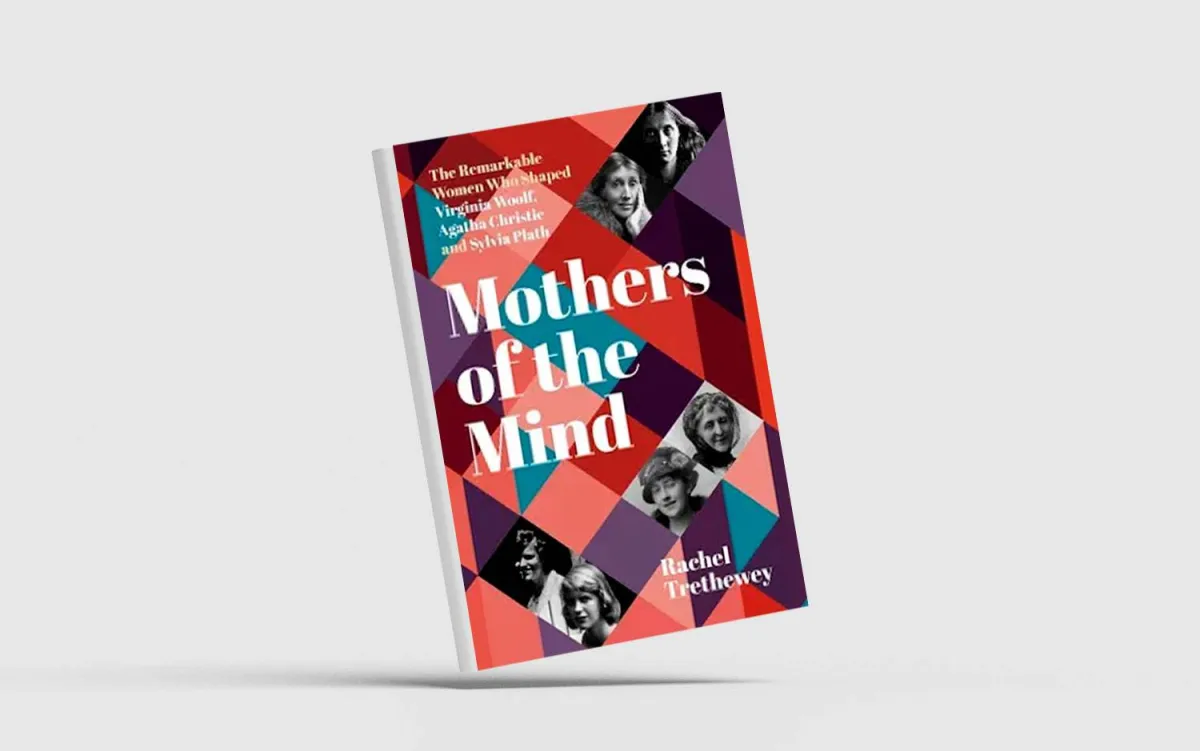
The book 'Mothers of Thought: The Remarkable Women Who Shaped Virginia Woolf, Agatha Christie, and Sylvia Plath' by British author Rachel Trethewey explores the profound impact mothers had on the lives of famous female writers. It discusses how mothers played a crucial role in forming their daughters' literary identities, highlighting their support and guidance in their respective journeys.
When we think of female authors, our minds often drift to the men who influenced their lives, such as husbands and lovers. For instance, the name Virginia Woolf is often associated with Jean-Paul Sartre, while Sylvia Plath is linked to her husband, poet Ted Hughes. However, this new book shifts the focus to mothers like Julia Stephen, Clara Miller Christie, and Aurelia Plath, who significantly impacted their daughters' literary trajectories.
Event Details
Published by History Press in 2023, the book illustrates how these three mothers were complex and powerful figures, aspiring to be literary figures themselves while being the first teachers, readers, and critics of their daughters' writings. It also emphasizes how the close relationship between the authors and their mothers often hindered the formation of separate identities.
Trethewey discusses how the three authors inherited heightened sensitivity and expansive imagination from their mothers, which infused their writings with a deep understanding of the complexities of human relationships. In the absence of their mothers, these writers turned to lovers, husbands, or friends to fill the void, reflecting a need for protection and support.
Background & Context
Historically, mothers in those eras represented the true power within families, despite the father being considered the head of the household. Mothers were the dominant figures in upbringing and lifestyle choices. Each of the three mothers also made literary contributions, with Julia Stephen writing children's stories, Clara Christie composing poetry, and Aurelia Plath penning poems and academic theses.
The writings of these mothers help illuminate their daughters' talents, serving as seeds that later blossomed in a generation of female writers. The relationship between mothers and daughters was fraught with complexities, showcasing the effects of unconditional love as well as the negative consequences of possessiveness.
Impact & Consequences
The book raises questions about parental involvement in children's lives and how such interventions can shape their identities. It highlights that the umbilical cord linking mothers to their daughters remains unbroken even after death, reflecting the depth of familial bonds.
These connections manifest in the works of the authors, as Virginia Woolf wrote about her mother in her novel 'To the Lighthouse', while Agatha Christie portrayed her mother in 'An Autobiography'. Similarly, Sylvia Plath addressed her relationship with her mother in her poetry, illustrating the influence of these relationships on their writings.
Regional Significance
This book is significant in the context of Arabic literature, as it sheds light on the role of mothers in shaping the identities of female writers in the Arab world. It can inspire new generations of Arab women writers to explore their relationships with their mothers and how these relationships can influence their literary careers.
In conclusion, the book offers a fresh perspective on the role of mothers in the lives of female authors, enhancing our understanding of familial relationships and their impact on literary creativity.