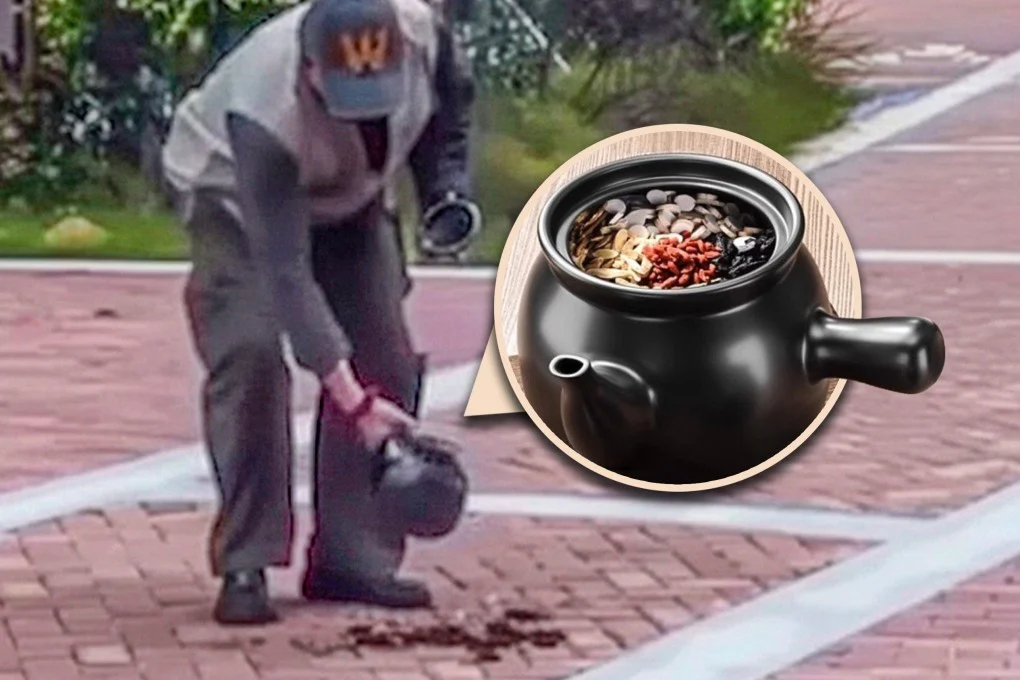
The practice of pouring remnants of traditional Chinese medicine into the streets is considered a unique cultural phenomenon in China. As people stroll through the streets of Chinese cities, they may encounter scattered remnants of medicinal herbs on the ground, raising questions about the reason behind this practice.
These herbs are not merely waste; they are remnants of medicines prepared according to traditional Chinese medicine practices. Many believe that pouring these remnants in public places contributes to dispelling diseases, as people and vehicles are allowed to pass over them, which is seen as a means of maintaining public health.
Details of the Tradition
The roots of this practice trace back to folk legends, indicating that it began during the Tang Dynasty (618–907 AD). It is said that the famous doctor Sun Simiao was one of the first to apply this custom, believing that pouring herbs into the streets helps spread positive energy.
This tradition continues to this day, as many people go out after preparing traditional medicines to pour the remnants into the streets. Although this practice may seem strange to some, it reflects the depth of Chinese culture and its connection to traditional medicine.
Background & Context
Traditional Chinese medicine is one of the oldest medical systems in the world, with a history spanning thousands of years. This system relies on the use of herbs, acupuncture, and massage therapy, and is considered an integral part of Chinese culture. In recent years, Western interest in this type of medicine has increased, leading to a growing demand for Chinese medicinal herbs.
Medicinal herbs are part of China's cultural heritage, used to treat a variety of ailments. However, traditional practices such as pouring remnants into the streets illustrate how culture intertwines with health practices in society.
Impact & Consequences
This custom is part of the cultural traditions that reflect how society deals with health and illness. However, pouring herbs into the streets may raise some environmental concerns, as these practices can lead to pollution. Nevertheless, many still believe in their health benefits.
This tradition transcends the borders of China, potentially inspiring other communities to explore new ways of dealing with health and illness. This interaction between culture and health practices demonstrates how traditions can be part of health solutions in various communities.
Regional Significance
While this practice may seem strange in Arab culture, there are similarities with some health traditions in Arab countries. For instance, medicinal herbs are part of Arab heritage, with many herbs used in folk medicine to treat diseases. This Chinese custom could be seen as an opportunity for knowledge and experience exchange between the two cultures.
In conclusion, the practice of pouring remnants of traditional medicines into the streets illustrates how culture can intersect with health. As this practice continues in China, it highlights the importance of traditions in shaping health practices in different communities.