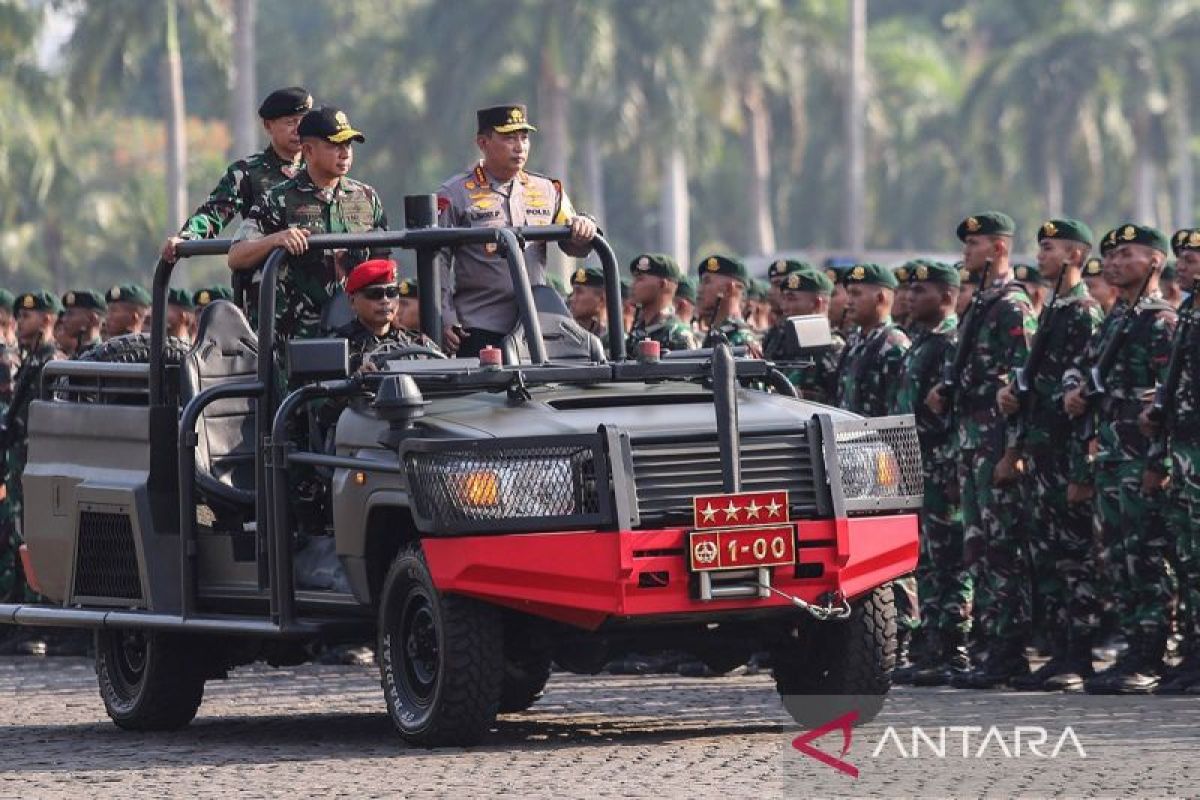
Three Indonesian soldiers from the United Nations peacekeeping forces in Lebanon (UNIFIL) were injured due to an explosion that occurred at an international organization facility near the city of El Adisseh in southern Lebanon on Friday, April 3. The injured soldiers were transported to the hospital for treatment.
The explosion, which took place late Friday afternoon, is considered a rare incident in an area that typically experiences relative stability due to the presence of UN forces. The injuries of the three soldiers, who were on a peacekeeping mission, have raised widespread concerns about the safety of international forces in the region.
Details of the Incident
According to initial reports, the cause of the explosion has not yet been disclosed, nor whether there was any deliberate attack. However, the incident highlights the risks faced by peacekeeping forces in Lebanon, especially amid ongoing tensions in the region.
The UNIFIL forces have been operating in Lebanon since 1978 and are considered part of international efforts to maintain peace and stability in the country. Nevertheless, security challenges remain, making these forces vulnerable to various risks.
Background & Context
Historically, Lebanon has witnessed numerous armed conflicts, including a civil war that lasted from 1975 to 1990. Since then, the country has been suffering from the repercussions of those conflicts, including political and economic divisions. The presence of UN forces has contributed to a relative stability, but incidents like the recent explosion underscore the ongoing challenges.
In recent years, Lebanon has experienced a rise in political tensions, particularly with increasing economic and social pressures. Successive crises have exacerbated the security situation, making it essential to bolster international efforts to support stability in the region.
Impact & Consequences
This explosion could have significant implications for peacekeeping operations in Lebanon. It may lead to heightened concerns among international soldiers, potentially affecting their ability to carry out their missions effectively. Additionally, it could result in increased calls for greater protection for international forces.
Furthermore, this incident may contribute to rising tensions among local parties, which could negatively impact peace efforts in the country. It is crucial for the United Nations to handle this situation cautiously to ensure the safety of its troops.
Regional Significance
Events in Lebanon are of particular importance to neighboring Arab countries, as they can affect regional stability. Any escalation in the security situation in Lebanon could spill over into neighboring countries, increasing tensions in a region already suffering from multiple crises.
The presence of international peacekeeping forces in Lebanon is considered part of broader efforts to achieve stability in the Middle East. Therefore, ensuring the safety of these forces is vital to prevent further deterioration of the security situation in the region.
In conclusion, this incident demonstrates the urgent need to enhance international efforts to support peace and stability in Lebanon and to provide the necessary protection for peacekeeping forces to ensure their continued efforts in achieving security and stability in the region.