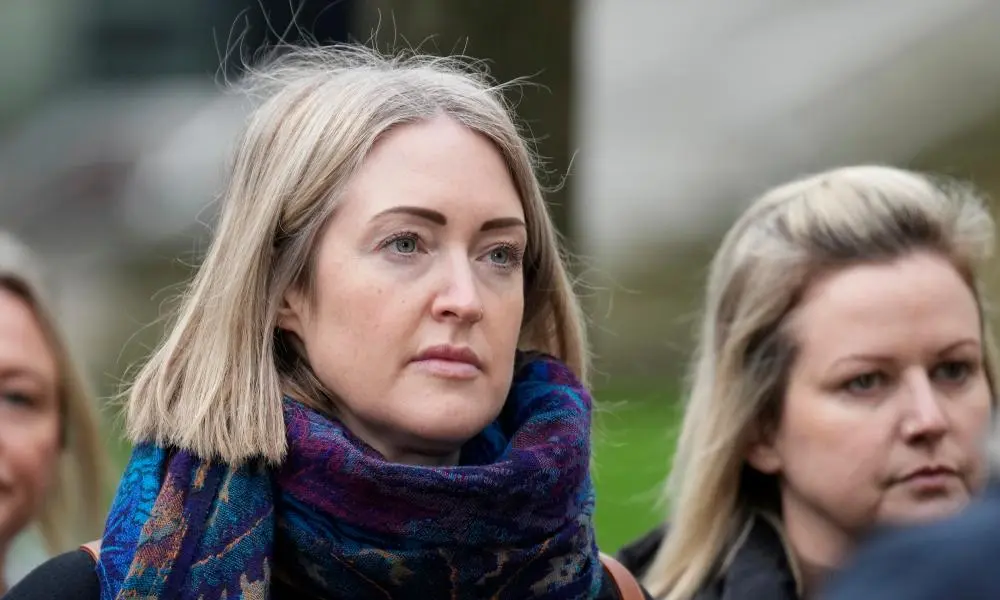
Esther Gaye, the mother of the deceased teenager Brianna Gaye, voiced her significant disappointment after UK Prime Minister Keir Starmer met with executives from tech companies such as Google, TikTok, and Meta before listening to the families of the victims. This meeting occurs at a time when concerns about children's safety online are escalating, especially following the murder of her 16-year-old daughter by teenagers in a park in Warrington.
In an open letter to Starmer, Esther Gaye emphasized that she and 12 other families feel it is crucial for their voices to be heard, indicating that this is as important as dialogue with tech companies. She expressed hope that the Prime Minister could understand the devastating impact that social media platforms have on youth.
Details of the Meeting
Keir Starmer, leader of the Labour Party, held a meeting with tech company executives earlier this month, urging them to enhance the safety of British children online. However, Gaye and other families believe that dialogue with victims should come first, as their personal experiences can contribute to better policy formation.
It is noteworthy that Gaye has initiated a campaign to reduce social media usage among youth following her daughter's murder, as investigations revealed that one of the killers had been influenced by violent content online. Gaye confirmed that such content can have severe effects on the mental health of young people.
Background & Context
Concerns about children's safety online are increasing in the UK, with studies showing that many children still have access to social media despite existing restrictions. The UK government has launched a consultation aimed at exploring new restrictions on social media usage for children, receiving over 45,000 responses since its launch in March.
Earlier this month, British lawmakers voted for the third consecutive time against imposing a ban on social media for children under 16, raising alarm among many families. A recent study also indicated that many children in Australia still have access to social media after the country imposed a ban on these platforms for children under 16.
Impact & Consequences
This issue is complex, as the government must balance protecting children with freedom of expression. Some observers have noted that banning social media could drive children to seek more dangerous content elsewhere online. At the same time, there are increasing calls from families and civil society for the government to take more serious steps to protect children.
There are also calls for developing more effective policies regarding the design of social media platforms to make them safer for children. The government has confirmed that it is working on a consultation that includes all stakeholders.
Regional Significance
This situation highlights the importance of protecting children from potential online risks and underscores the need for authorities to listen to the voices of victims and their families. The ongoing discussions and campaigns aim to bring about meaningful changes in how social media operates, particularly concerning youth safety.
In conclusion, the tragic case of Brianna Gaye serves as a stark reminder of the urgent need for enhanced protections for children online and the importance of prioritizing their voices in policy discussions.