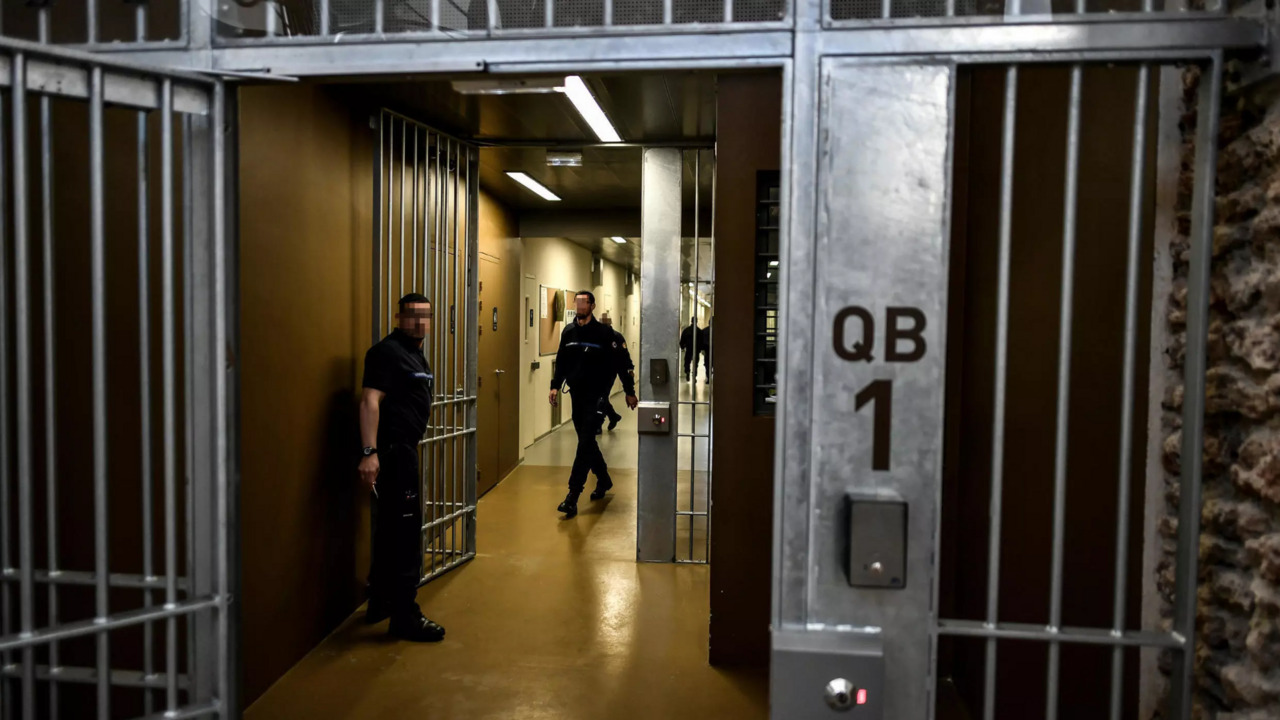
The French Prison Supervisors Union has declared a nationwide strike on Monday to protest the dire conditions faced by French prisons, which are suffering from severe overcrowding and a critical shortage of staff. According to reports, there are around 5,000 vacant positions in this sector, exacerbating the pressure on the remaining staff and negatively impacting detention conditions.
This strike comes at a sensitive time, with estimates indicating that approximately 80 prisons will be affected by this action, potentially worsening conditions within these institutions. This move reflects a growing discontent among prison workers, who express concern over their inability to provide a safe and healthy environment for inmates.
Details of the Strike
French prisons are among the most overcrowded in Europe, with inmate numbers exceeding the capacity of many facilities. This overcrowding has led to a rise in violence and health issues among inmates, necessitating urgent measures to improve conditions. The Prison Supervisors Union considers the staff shortage to be one of the main reasons for the worsening situation, as the available staff cannot manage the large number of inmates.
In recent years, France has seen a notable increase in the number of prisoners, placing additional pressure on the judicial and penal systems. The union is calling on the French government to take urgent steps to hire more staff and provide the necessary resources to improve conditions within prisons.
Background & Context
Historically, French prisons have struggled with issues of overcrowding and resource shortages, but the current situation has become more acute. According to statistics, the number of inmates in French prisons has risen significantly over the past decade, exacerbating the conditions. Under these circumstances, prison staff feel unable to perform their duties effectively, increasing the risk of riots within the institutions.
The French government is seeking to address these issues, but efforts so far have not been sufficient. Many experts have pointed to the need for comprehensive reform of the judicial and penal systems, including improving detention conditions and providing more support for workers in this sector.
Impact & Consequences
The strike may exacerbate conditions within prisons, potentially leading to a reduction in services provided to inmates, which increases the likelihood of riots. Additionally, this action may highlight broader issues related to the judicial system in France, potentially leading to greater pressure on the government to take urgent action.
On the other hand, this strike may affect public opinion, raising concerns about conditions in prisons and increasing demands for improvements. This move serves as a call for French authorities to consider human rights issues within prisons.
Regional Significance
Human rights issues and detention conditions are sensitive topics in many Arab countries, where some prisons face similar problems. This strike in France may influence discussions about human rights in the region, as activists could leverage this situation to highlight similar issues in their countries.
Ultimately, there is hope that these actions will lead to improvements in conditions within French prisons and serve as an impetus for other countries to address human rights issues and detention conditions.