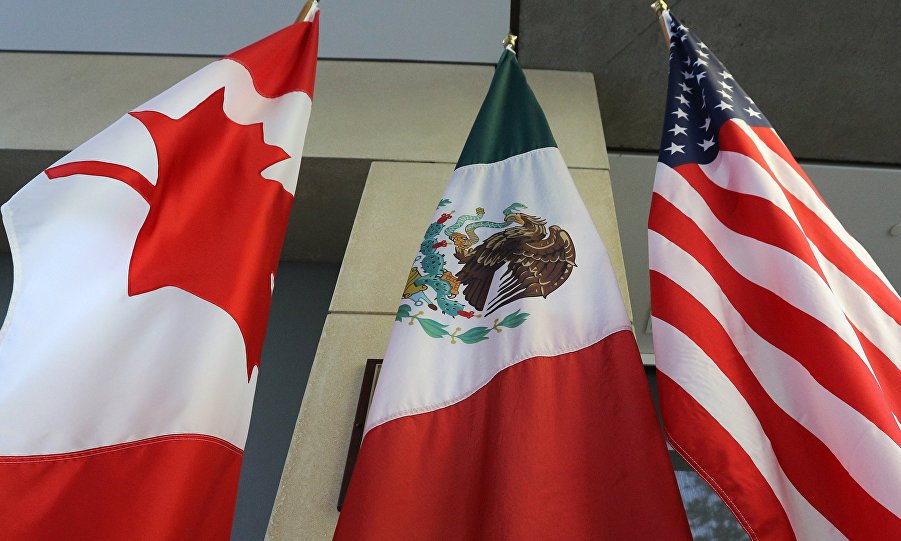
US Trade Representative Robert Lighthizer stated that negotiations regarding the free trade agreement between the United States, Canada, and Mexico may extend beyond the scheduled deadline of July 1. These remarks come at a critical time as the three countries aim to strengthen economic cooperation in light of increasing global challenges.
Lighthizer confirmed that there has been significant progress in the negotiations, but some issues still require further discussion. This agreement, known as the USMCA, aims to update trade terms among the three nations, reflecting changes in the global economy.
Details of the Agreement
The USMCA is considered one of the most important trade agreements in the region, replacing the NAFTA agreement that has been in effect since 1994. The new agreement includes changes in areas such as agriculture, labor rights, and intellectual property protection. These negotiations represent an opportunity to enhance trade relations among the three countries amid global economic tensions.
Lighthizer pointed out that the negotiations may require additional time, indicating that the three nations might need to extend the specified deadline. This situation could raise concerns among businesses and investors who rely on stable trade conditions.
Background & Context
Historically, trade relations between the United States, Canada, and Mexico have been complex, experiencing numerous changes over the years. The NAFTA agreement represented a significant step towards trade liberalization, but it faced criticism from certain groups in the United States, leading to the need for renegotiation.
In recent years, trade relations among the three nations have undergone significant transformations, especially with the escalation of trade disputes between the United States and China. These disputes have prompted the countries to seek enhanced cooperation to mitigate negative impacts on their economies.
Impact & Consequences
If negotiations continue beyond the deadline, it could affect the stability of financial markets in the three countries. Companies that rely on cross-border trade may face new challenges, potentially impacting their investments and future plans.
Moreover, any changes to the agreement could have repercussions on the prices of goods and services, which may reflect on consumers in the three nations. It is crucial for businesses and investors to stay informed about developments in these negotiations.
Regional Significance
The importance of these negotiations lies in their potential to enhance economic cooperation among the three countries, which could significantly impact global markets. The outcome of these discussions may set a precedent for future trade agreements and international economic relations.
In conclusion, the ongoing negotiations are vital for fostering economic collaboration among the United States, Canada, and Mexico, and their implications could resonate throughout the global economy.