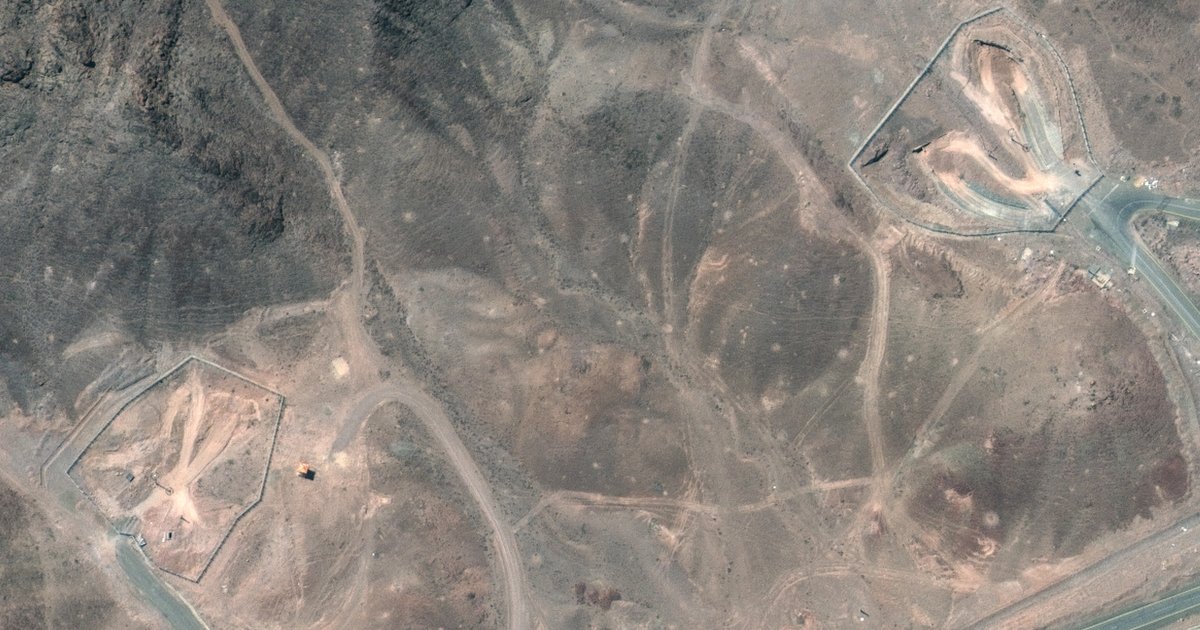
Satellite images captured on April 1, 2026, reveal extensive damage at the ISOICO complex located west of Bandar Abbas, which is one of Iran's prominent shipbuilding facilities. The images show destruction at approximately 11 locations within the complex, along with visible damage to a ship that was docked in the shipyard at the time of the attack.
Analysis indicates that the complex suffered a previous strike on March 18, reflecting a pattern of targeting this vital facility. It is noteworthy that the ISOICO complex is affiliated with the Iranian Industrial Development and Renovation Organization (IDRO), which has been under U.S. sanctions since 2018 due to its connections with the Iranian government.
Details of the Incident
The ISOICO complex focuses on building military and commercial vessels, making it a crucial part of Iran's maritime infrastructure in the region overlooking the Hormuz Strait. These strikes occur amid escalating tensions between Iran and the United States, with reports suggesting that U.S. strikes are aimed at Iran's military capabilities.
Simultaneously, satellite images analyzed by the open-source unit of Al Jazeera have shown a continuous heavy oil spill in the waters between Bandar Abbas and the Iranian island of Qeshm. The spill, which began on March 7, has persisted for weeks and is attributed to the targeting of the unmanned aircraft carrier Shahid Baqeri, which the U.S. military reported it had attacked and set ablaze.
Background & Context
Tensions in the Persian Gulf are on the rise, with Iran facing increasing pressure from the United States and its allies. This pressure includes economic and military sanctions aimed at undermining Iranian activities in the region. These events occur at a sensitive time as Iran seeks to bolster its military and naval capabilities.
The strikes on the ISOICO complex reflect a broader strategy by the United States to diminish Iran's influence in the region. Additionally, the resulting oil spill poses a significant environmental threat, complicating the situation further.
Impact & Consequences
The repercussions of these events could be far-reaching, potentially leading to greater escalation of tensions between Iran and the United States. Furthermore, the oil spill could negatively impact the marine environment in the region, necessitating an urgent response from Iranian authorities.
So far, Iranian authorities have not issued any official statements regarding the extent of the spill or the environmental damage caused, raising concerns among experts. A swift response to this environmental crisis will be essential to prevent further deterioration of the situation.
Regional Significance
These events signal a rise in tensions in the Gulf region, which directly affects neighboring Arab countries. Any escalation in this area could lead to negative impacts on regional security and stability.
Moreover, the environmental threats posed by the oil spill could impact local economies, particularly those reliant on fishing and tourism. It is crucial for Arab nations to closely monitor the situation and take necessary measures to protect their interests.
In conclusion, these events underscore the importance of following developments in the Gulf region, as any escalation could affect regional security and the marine environment.