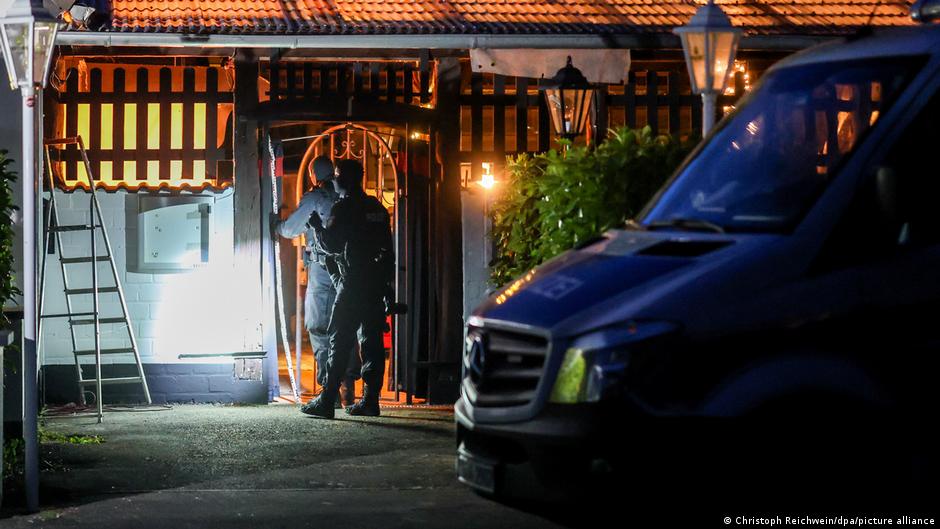
As part of its efforts to combat organized crime, the police in North Rhine-Westphalia, Germany, launched a wide-ranging security operation on Tuesday targeting the Hells Angels motorcycle gang after authorities banned a local chapter of the gang. The operation involved around 1,200 officers, including special police units, across 28 cities, including Leverkusen, Cologne, Dortmund, and Duisburg.
According to the Ministry of the Interior in Düsseldorf, searches were conducted at more than 50 locations, including homes and offices of gang members and supporters. This operation is considered one of the largest against motorcycle gang-related crime in the state's history.
Details of the Operation
The operation was part of extensive investigations into the formation of a criminal gang, with reports indicating that the Hells Angels have 29 chapters in North Rhine-Westphalia, comprising approximately 469 members, making it the largest motorcycle gang in the state. The Leverkusen chapter was banned as part of a series of prohibitions imposed on this gang in recent years.
These measures come at a time when concerns are rising over the increasing activity of criminal gangs in Germany, as the government seeks to enhance security and effectively combat organized crime.
Background & Context
Historically, Germany has witnessed a rise in motorcycle gang activity, with these gangs posing a threat to public safety. The Hells Angels were established in 1948, and since then, their activities have expanded to include drug trafficking, extortion, and other crimes. These gangs have been classified as criminal organizations by German authorities, leading to multiple security operations against them.
In recent years, the German government has taken serious steps to combat these gangs, including tightening laws and providing additional resources for the police. However, challenges remain as these gangs continue to adapt to security pressures.
Impact & Consequences
This security operation is a significant step in the German government's efforts to combat organized crime. It is expected that these measures will reduce gang activity in the region, contributing to enhanced public safety. Additionally, these operations may raise public awareness about the dangers of organized crime and the importance of cooperation between citizens and authorities.
Furthermore, these operations could impact the image of the Hells Angels within the community, potentially leading to a decline in new membership and the dismantling of criminal networks.
Regional Significance
The implications of this operation extend beyond immediate law enforcement actions, reflecting a broader commitment by the German government to address organized crime comprehensively. The ongoing efforts to disrupt the activities of the Hells Angels and similar organizations signify a proactive approach to safeguarding public order.
In conclusion, the recent security measures highlight the determination of German authorities to tackle organized crime effectively, ensuring a safer environment for all citizens.