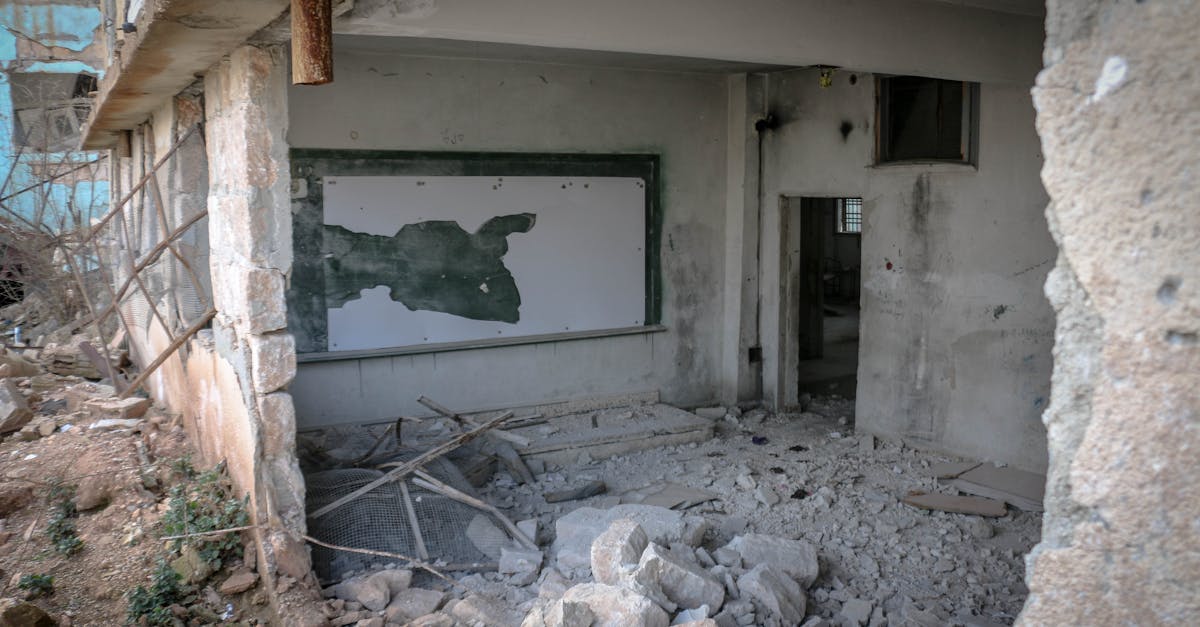
Israeli attacks on Lebanese territory have persisted, with airstrikes on Monday night leading to the deaths of four individuals and injuring 51 others, as reported by the Lebanese Ministry of Health. These strikes occur at a sensitive time, following the announcement of a ceasefire on April 17, raising questions about the stability of the situation in the region.
Israeli Prime Minister Benjamin Netanyahu defended the military operations, pointing to ongoing threats from Hezbollah, which possesses missiles and drones capable of targeting Israeli territory. This escalation is part of increasing tensions between the two sides, as each party seeks to strengthen its military and political position.
Details of the Incident
The airstrikes carried out by Israeli forces targeted specific areas in southern Lebanon, focusing on sites believed to be associated with Hezbollah. These attacks have provoked angry reactions from the Lebanese government, which condemned the Israeli military escalation as a violation of Lebanese sovereignty.
On the other hand, Israeli military sources confirmed that the operations are part of self-defense, noting that Hezbollah had launched several rockets towards Israeli territory in recent days, necessitating a military response. This military escalation reflects a state of instability in the region and complicates security conditions.
Background & Context
Historically, the Lebanese-Israeli border has witnessed numerous armed conflicts, with Hezbollah being one of the most prominent armed factions in Lebanon, having fought several wars against Israel since its establishment in the 1980s. The current escalation occurs amidst rising tensions in the region, where political and military dimensions intertwine.
Additionally, Lebanon is grappling with economic and political crises, further complicating the landscape. The Lebanese government faces significant challenges in managing internal crises while under external pressures from various countries, intensifying tensions.
Impact & Consequences
These events underscore the importance of the security situation in Lebanon and its impact on regional stability. The military escalation may exacerbate humanitarian conditions in Lebanon, where the Lebanese people are suffering from multiple crises. Furthermore, the continuation of attacks could drag the region into a broader conflict, affecting regional security.
Moreover, these developments may influence relations between Lebanon and neighboring countries, as some nations seek to mediate in the conflict. At the same time, major powers are closely monitoring the situation, considering stability in Lebanon as part of regional stability.
Regional Significance
The repercussions of these events extend beyond Lebanon's borders, affecting relations between Arab countries and Israel. The military escalation may provoke reactions from Arab nations, especially those striving for peace and stability in the region. Additionally, the situation in Lebanon could impact refugee movements, increasing pressures on neighboring countries.
In conclusion, the situation in Lebanon remains under scrutiny, as escalating crises require an effective response from the international community. It is crucial that efforts are combined to achieve peace and stability in the region, avoiding military escalation that could lead to dire consequences.