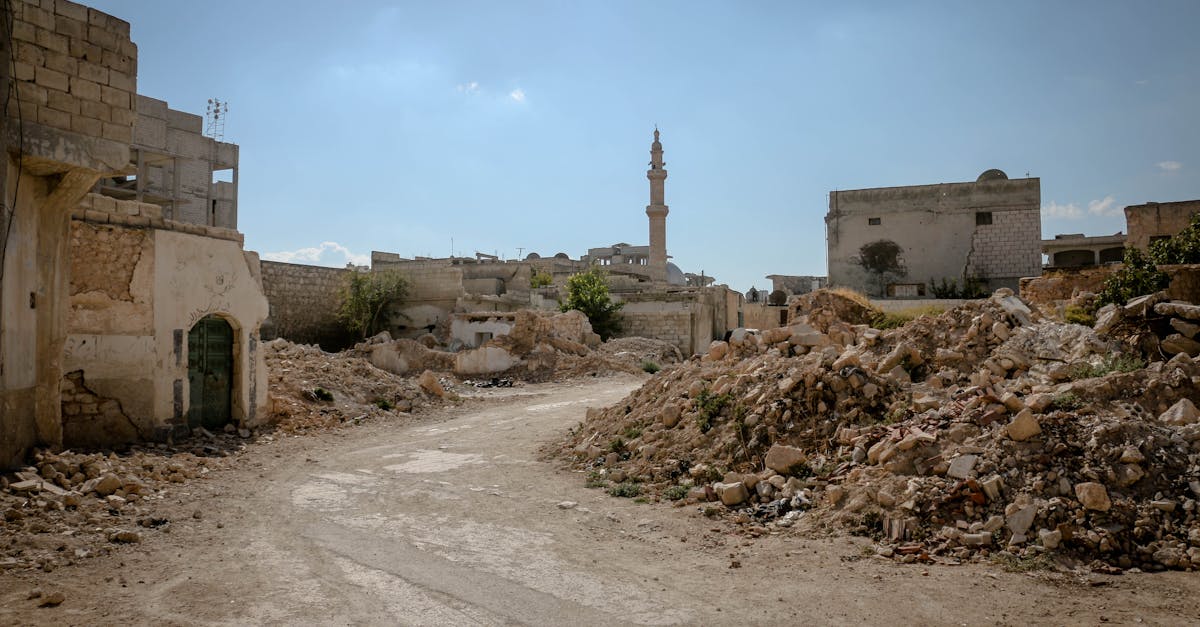
U.S. President Donald Trump has urged Israeli Prime Minister Benjamin Netanyahu to take containment measures in Lebanon, emphasizing the need to avoid threatening the recently announced three-week ceasefire agreement. This statement comes at a time when tensions on the northern front are escalating, exacerbating internal conditions in Lebanon and stirring anger in Israel.
The political exchanges in Lebanon are intensifying, with political factions trading accusations of betrayal, reflecting a deep division between the presidency and the government. Simultaneously, Hezbollah is achieving notable field successes against Israeli forces, bolstering its position and increasing the confidence of its Secretary-General.
Details of the Situation
Despite Washington's announcement of a ceasefire agreement, the northern front is turning into a war of attrition, with clashes between Hezbollah and the Israeli army increasing. This escalation occurs at a sensitive time, as Trump seeks to calm the situation in the region, particularly with rising tensions with Iran.
Reports indicate that Hezbollah has managed to secure strategic gains on the ground, enhancing its position in Lebanon and increasing challenges for the Lebanese government. Conversely, the Israeli army faces growing internal pressures, with calls for a comprehensive strategic assessment of the situation in Lebanon gaining momentum.
Background & Context
Historically, relations between Israel and Hezbollah have seen increasing tensions, especially following the recent conflict in 2006. Since then, the northern front has become a complex battleground where regional and international interests intersect. This escalation occurs amid Iran's attempts to strengthen its influence in the region, complicating the situation further.
The internal situation in Lebanon reflects a state of political turmoil, as the country grapples with crippling economic crises. These crises affect the Lebanese government's ability to make effective decisions, contributing to a heightened state of instability.
Impact & Consequences
The escalation in Lebanon could lead to serious repercussions for regional security, potentially expanding the conflict to include other countries in the area. Furthermore, the ongoing tensions may impact peace efforts in the Middle East and complicate relations between major powers.
On the other hand, Hezbollah's field successes may strengthen its position in Lebanon, increasing challenges for the Lebanese government and affecting the country's stability. This situation could contribute to increased internal division and foster a climate of distrust among political factions.
Regional Significance
The situation in Lebanon is part of a broader landscape in the Arab region, where political and economic crises intertwine. The escalation in Lebanon could affect neighboring countries and heighten instability in the region.
Moreover, this situation may contribute to rising tensions between regional and international powers, reflecting an ongoing struggle for influence in the area. Under these circumstances, hope remains pinned on peace efforts and political settlements to resolve existing crises.