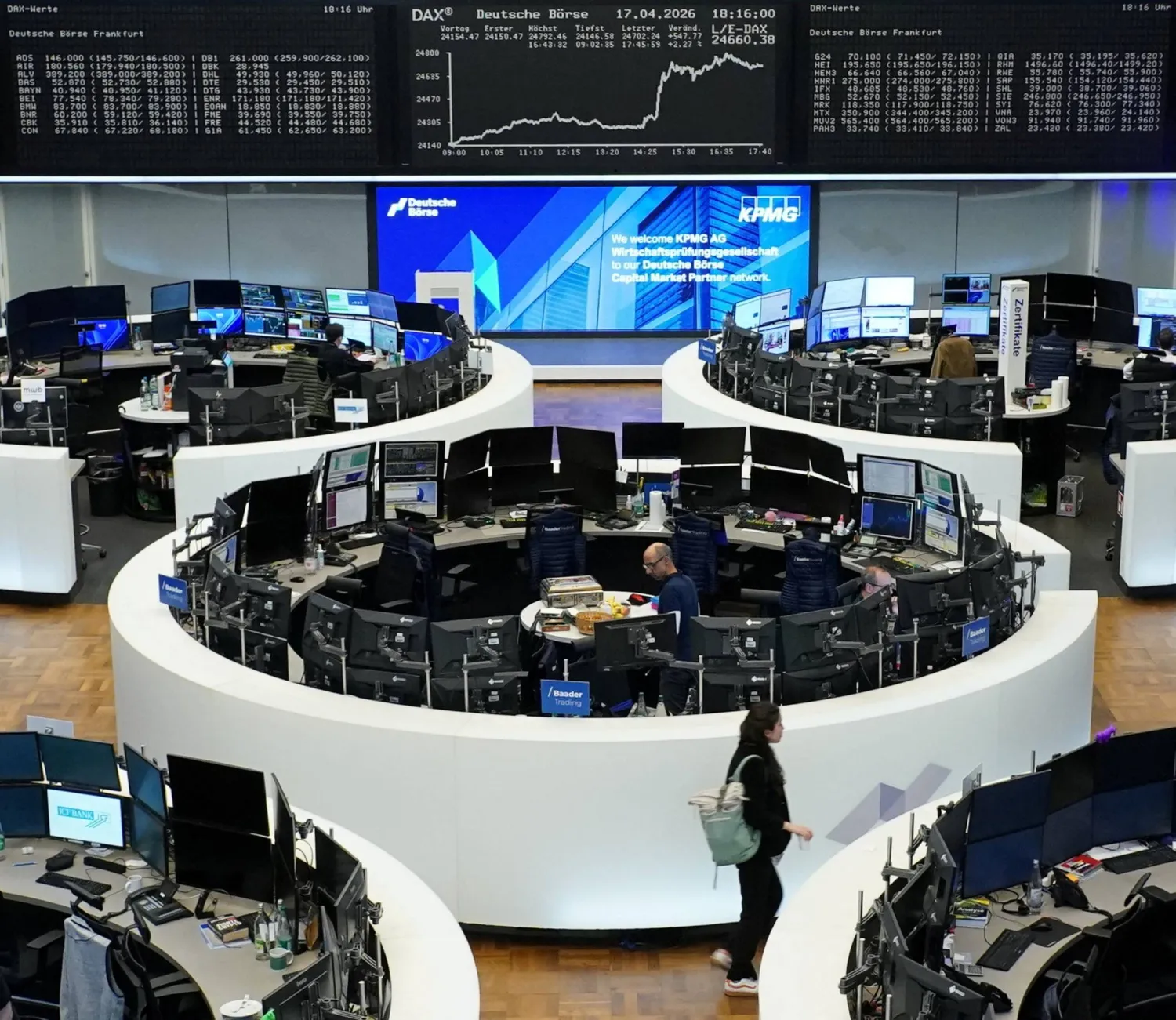
European markets are experiencing a cautious calm at the start of the week as major central bank decisions are anticipated. Geopolitical tensions arising from stalled peace talks between the United States and Iran are weighing on investor sentiment, leading to a rise in oil prices.
This development follows reports that U.S. President Donald Trump canceled a visit by envoys to Pakistan, which plays a mediating role in negotiations regarding the war with Iran, over the weekend. Nevertheless, markets received limited support after an Axios report indicated that Tehran proposed reopening the Strait of Hormuz and postponing the nuclear negotiations to a later stage.
Details of the Event
In his statements, Trump confirmed that Iran could reach out by phone if it wished to negotiate an end to the ongoing war that has lasted for two months, emphasizing that Tehran's possession of nuclear weapons is unacceptable. These remarks come at a sensitive time, as investors closely monitor any developments that may affect regional stability.
With rising oil prices, concerns about inflationary pressures have increased, prompting investors to look for signals from both the European Central Bank and the Bank of England this week regarding interest rate trajectories. The European Stoxx 600 index stabilized at 610.86 points by 07:03 GMT, according to Reuters data.
Background & Context
Historically, European markets have experienced notable fluctuations due to geopolitical events, with crises in the Middle East playing a significant role in influencing oil prices and the global economy. The stalled peace talks between the United States and Iran reflect ongoing tensions in the region, which in turn impact financial markets.
These events coincide with movements by major central banks aiming to stabilize markets, making this week a crucial focal point for investors. The anticipated decisions are expected to influence interest rate paths, which is of significant concern to investors.
Impact & Consequences
The rise in oil prices due to geopolitical tensions may lead to increased inflationary pressures, which could negatively impact economic growth in Europe. If these pressures persist, central banks may be forced to make decisive decisions regarding interest rates, which could affect investments and financial markets overall.
Additionally, these developments may influence investor confidence, leading to volatility in financial markets. Investors are in need of clear signals from central banks to determine their future strategies.
Regional Significance
Geopolitical tensions in the Middle East directly affect Arab countries, where oil prices are a crucial factor in the economies of many nations. Any increase in oil prices may benefit some producing countries, but it could heighten pressures on importing nations.
Furthermore, the ongoing tensions between the United States and Iran may impact regional stability, complicating the economic and political situations in the area.
In conclusion, investors remain in a state of cautious anticipation, as economic and geopolitical factors intertwine complexly, necessitating close monitoring of events and developments.