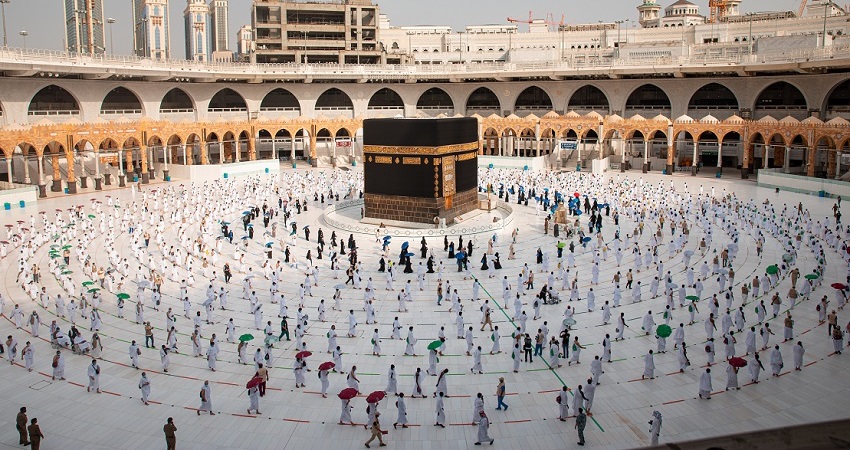
In a move aimed at enhancing the safety of Indonesian pilgrims, Saudi authorities responsible for organizing Hajj (PPIH) have urged pilgrims not to travel alone while in Mecca. They stressed the necessity of implementing the buddy system, which requires at least three individuals to participate in various activities.
Tolo Widodo, head of the Pilgrim Protection Department at PPIH, explained that the goal of this system is to ensure the safety of pilgrims and to avoid any risks they may face. He noted that every movement should be conducted according to this system, as having more than one person is essential for providing support and assistance in emergencies.
Details of the Initiative
Tolo also mentioned that pilgrims must carry the "Nusuk" card when leaving their hotels, in line with new regulations imposed by the Saudi government for entering public places. This card is deemed essential for facilitating the movement of pilgrims and ensuring their access to designated areas.
In a related context, Tolo warned against using unofficial transportation, emphasizing the need to rely solely on official taxis that are either white or green to reach the Grand Mosque. He pointed out that using unlicensed taxis could result in being unable to access restricted areas, which may force pilgrims to disembark far from the mosque.
Background & Context
Indonesian pilgrims are set to begin their journey from Medina to Mecca on April 30, where they will perform Umrah and prepare for the Hajj rituals. Since the start of transportation operations on April 22, approximately 44,985 pilgrims have been sent to the Kingdom, with 41,913 of them arriving in Medina.
These measures are part of the Saudi government's efforts to ensure the safety of pilgrims and facilitate their rituals, especially with the increasing number of pilgrims each year. In 2026, it is expected that Indonesian pilgrims will receive a quota of up to 221,000 pilgrims, reflecting the importance of organizing these events meticulously.
Impact & Consequences
These measures come at a sensitive time, as Saudi Arabia seeks to improve the pilgrimage experience and provide a safe environment for pilgrims. The implementation of the buddy system reflects the authorities' commitment to enhancing public safety and underscores the importance of cooperation among pilgrims to ensure the success of the season.
On the other hand, these measures may influence how pilgrims organize their trips, as they will need to plan better to ensure they have companions with them. This could lead to improved communication and collaboration among pilgrims, thereby enhancing their overall experience.
Regional Significance
Mecca is a significant religious center for Muslims worldwide, and any changes in Hajj organization affect many Islamic countries. Enhancing safety during the Hajj season can contribute to strengthening relationships among Islamic nations and project a positive image of Saudi Arabia.
In conclusion, the authorities' call for pilgrims to implement the buddy system reflects the Kingdom's commitment to improving the Hajj experience and ensuring the safety of pilgrims, which contributes to strengthening bonds among Muslims globally.