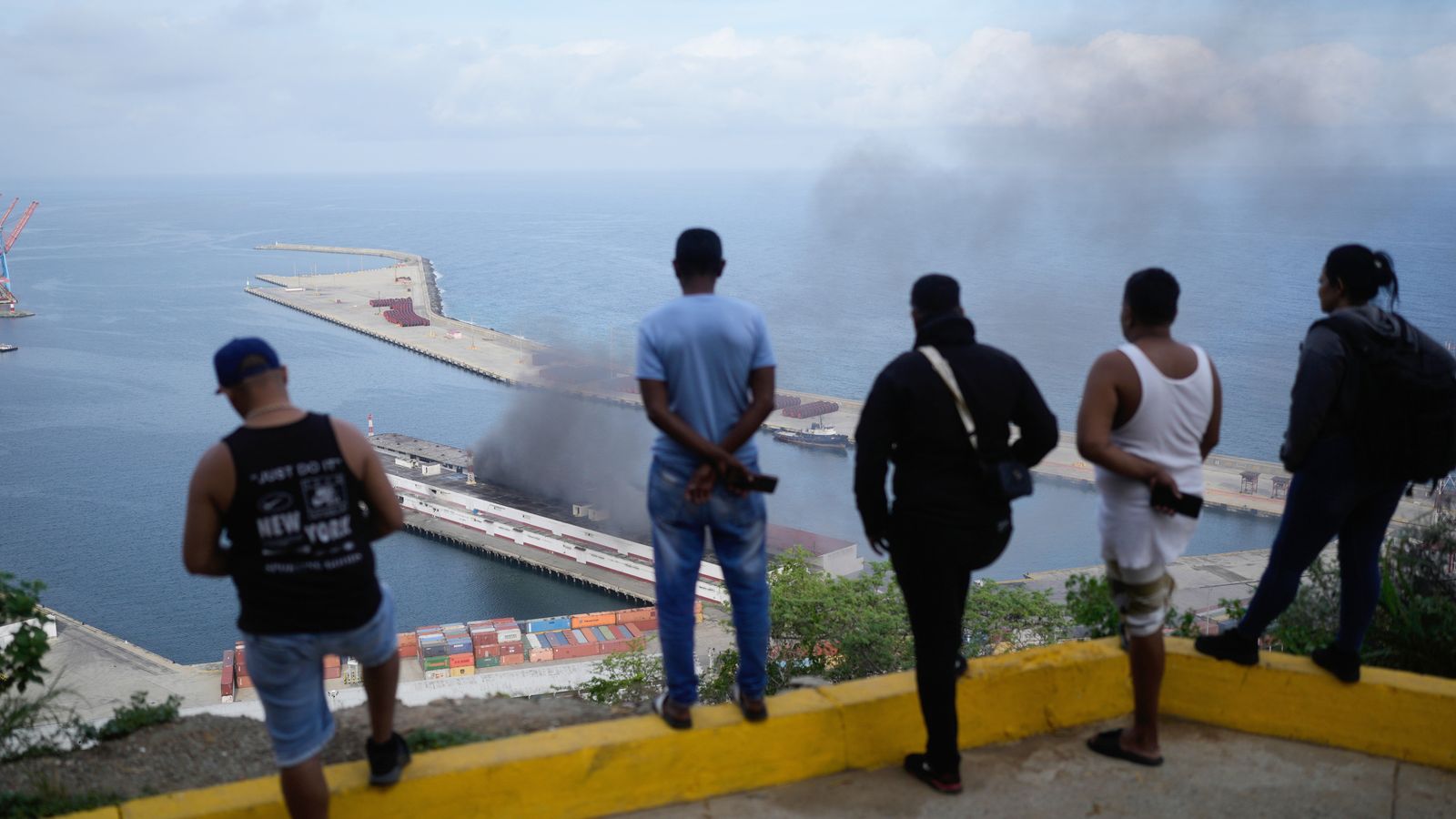
The Venezuelan Oil Chamber has revealed that currently, less than 30% of the country's oil wells are active, indicating an ongoing decline in the energy sector despite Venezuela possessing the largest oil reserves globally. Current data shows that production is around one million barrels per day, a level far from the peak production that exceeded three million barrels per day two decades ago.
According to the data, the number of active wells does not exceed 8,491 out of a total of 30,722, reflecting the significant decline in the production capacity of the oil sector. This sharp decrease is attributed to years of corruption, lack of investment, and mismanagement, in addition to the impact of U.S. sanctions that have exacerbated the crisis and led to a widespread collapse in production.
Event Details
During an energy forum held in Caracas, several U.S. officials attended, including U.S. Chargé d'Affaires John Barrett. This visit comes at a time when Washington is seeking to reactivate the Venezuelan oil sector since the leftist president Nicolas Maduro was kidnapped in January. Barrett pointed out that the private sector, especially American companies, would play a crucial role in revitalizing the industry.
The forum highlighted the urgent need for reforms to attract foreign investment, which has dwindled significantly due to the ongoing economic crisis and the political situation in Venezuela. The discussions also emphasized the importance of international cooperation in overcoming the challenges facing the oil sector.
Background & Context
Venezuela's oil industry has been in decline for several years, primarily due to internal mismanagement and external pressures. The country, once a powerhouse in oil production, has seen its infrastructure deteriorate, leading to a significant drop in output. The economic sanctions imposed by the United States have further complicated the situation, making it difficult for Venezuela to access international markets and attract necessary investments.
In recent years, the Venezuelan government has attempted various strategies to revive the oil sector, including partnerships with foreign companies and calls for investment. However, these efforts have often been undermined by political instability and a lack of trust from potential investors.
Impact & Consequences
The decline of the oil sector has profound implications for Venezuela's economy, which heavily relies on oil revenues. With production levels at an all-time low, the government struggles to finance public services and maintain social stability. This situation has led to increased poverty and social unrest, further complicating the political landscape.
Moreover, the ongoing crisis in Venezuela's oil sector has repercussions beyond its borders, affecting global oil prices and the dynamics of international energy markets. As Venezuela attempts to navigate these challenges, the response from the international community will be crucial in determining the future of its oil industry.
Regional Significance
The situation in Venezuela is not only a national issue but also a regional concern, as it impacts neighboring countries and the broader Latin American economy. The decline in oil production can lead to increased instability in the region, affecting trade relations and economic partnerships.
Additionally, the potential for U.S. involvement in revitalizing Venezuela's oil sector could shift the balance of power in the region, as countries weigh their alliances and economic strategies in response to changing circumstances.
In conclusion, the challenges facing Venezuela's oil sector highlight the urgent need for comprehensive reforms and international support to restore its production capacity and stabilize the economy. The future of Venezuela's oil industry remains uncertain, but addressing these issues is critical for the country's recovery.