Israel persists in using technical terms such as 'buffer zones' and 'security' to justify the expansion of its control over occupied territories, while the realities reveal that these are merely a cover for establishing a permanent occupation that transcends internationally recognized legal concepts.
A report prepared by Ahmed Fall Ould Al-Din highlights how these designations are used to give a temporary character to procedures that gradually evolve into a permanent reality, redrawing borders and entrenching control through force under the pretext of security.
Details of the Situation
This issue is not limited to rhetoric; Israel is actively establishing ground realities, where 'buffer zones' transition from a temporary measure to a tool for reshaping geography and imposing a new reality. According to international law, a buffer zone is defined as a temporary belt separating two forces, without altering the sovereignty of the land or its legal status, while ensuring the protection of the population and their rights under international agreements.
However, these rules are being violated, as destruction or displacement within these areas is classified as international crimes, according to the Geneva Conventions and the Rome Statute. In southern Lebanon, the ceasefire agreement following the 2024 war stipulated the withdrawal of Israeli forces south of the Blue Line within 60 days, in exchange for the deployment of the Lebanese army north of the Litani River.
Context and Background
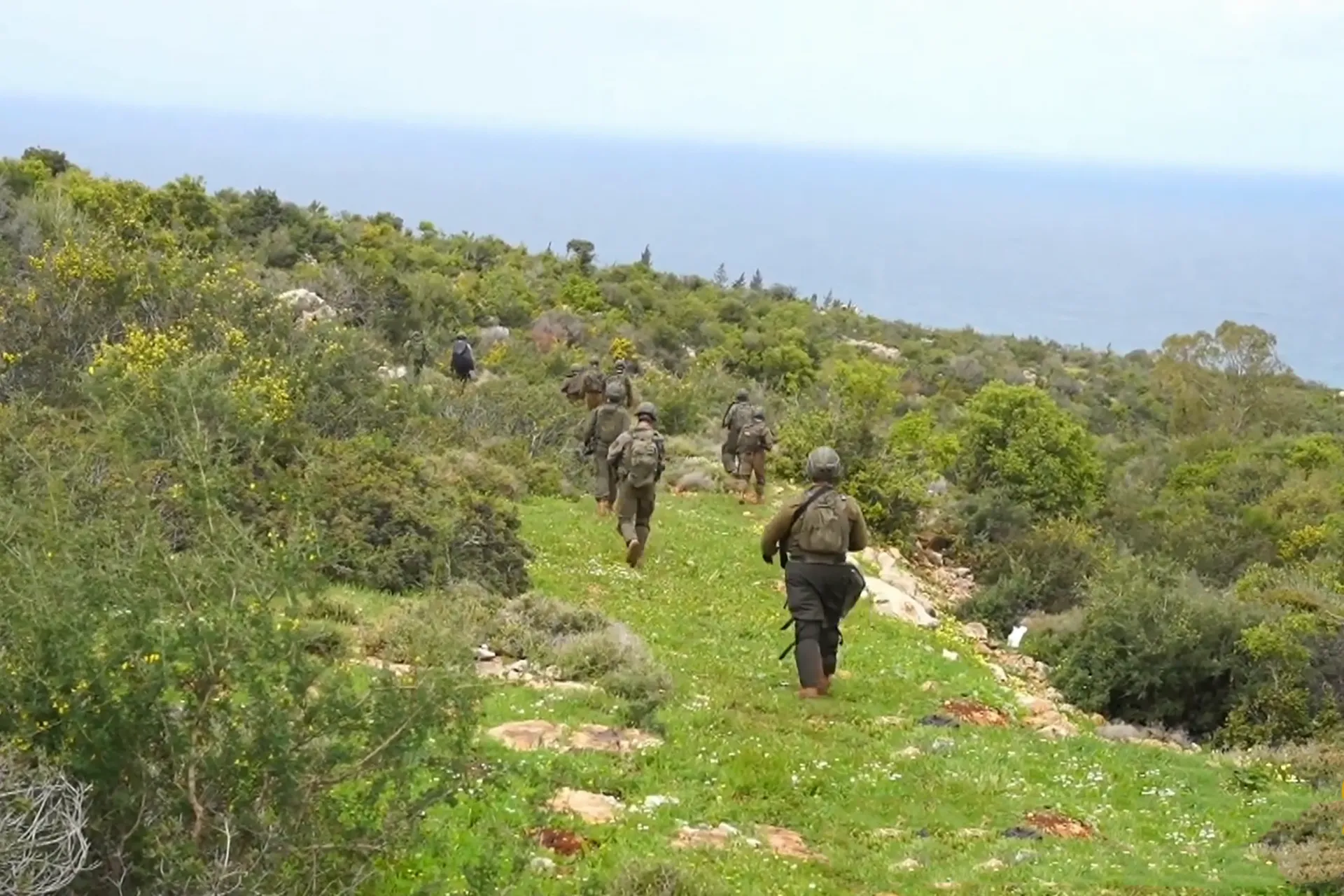
Nevertheless, Israel has maintained its presence at five points north of the Blue Line, in clear violation of the agreement, extending from the west of Naqoura to the outskirts of the town of Khiam to the east, within a strip it describes as 'strategic.' These points have transformed into a belt extending up to 10 kilometers deep, affecting dozens of southern towns and paving the way for the imposition of an actual buffer zone despite the ceasefire being in effect.
Israeli forces continue to consolidate their military positions in vital areas, aiming to convert the border strip into a permanent buffer zone from which they refuse to withdraw. This approach differs from the 'security zone' of the 1980s, which had limited objectives, as current policies aim to reshape the border area and eliminate the supportive population environment.
Implications and Effects
This trend extends to the sea, where Israel imposes restrictions on the southern Lebanese coasts, raising concerns about undermining the maritime border demarcation agreement and threatening natural resources. In Gaza, a similar pattern repeats itself through the establishment of a buffer zone and corridors that divide the enclave, amid UN estimates indicating military control over most of its area.
The expansion also includes the Syrian Golan, where new sites and fortifications have been established, reflecting a trend towards long-term presence, in clear violation of recognized borders. Despite the clarity of international laws prohibiting displacement and destruction, these policies persist, placing them within the realm of serious violations that require accountability.
Impact on the Arab Region
Between changing terminologies and steadfast outcomes, a single image emerges: land emptied of its inhabitants, and borders drawn by fire and destruction under security labels that conceal an expanding occupation reality. These policies do not only affect Palestinians but carry serious implications for regional stability, necessitating urgent international action to confront these violations.
In conclusion, the question remains about how to address these Israeli policies that seek to entrench occupation under security pretexts, requiring the unification of Arab and international efforts to face these challenges.