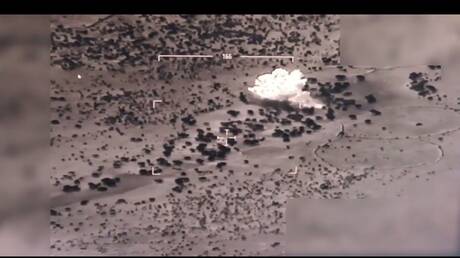
As part of anti-terrorism strategies, the Russian African Legion has executed airstrikes on gatherings and camps of terrorists in Mali. The Legion confirmed in an official statement that "the situation there remains complex," reflecting the ongoing challenges faced by local authorities in combating extremist groups.
These airstrikes come at a sensitive time, as Mali is witnessing a surge in terrorist activities, particularly from groups linked to Al-Qaeda and ISIS. The Russian Legion indicated that the military operations aim to undermine the capabilities of these groups and provide security for civilians.
Details of the Operations
Reports indicate that the airstrikes targeted strategic locations of terrorist groups, resulting in the destruction of several camps that were used for training extremist elements. Movements of terrorist elements in remote areas were also monitored, prompting the Russian Legion's intervention to ensure they could not carry out new operations against civilians or government forces.
These operations are part of military cooperation between Russia and Sahel countries, as Moscow seeks to enhance its influence in the region by providing military and technical support. This initiative has elicited mixed reactions in international circles, with some arguing that this cooperation could exacerbate security conditions.
Background & Context
Mali has been embroiled in a conflict with terrorist groups for years, with increasing attacks on government forces and civilians. The deteriorating security situation has led to multiple international interventions, including United Nations missions and French forces. However, the situation remains fragile, highlighting the need for effective strategies to combat terrorism.
In recent years, Russia has begun to expand its military presence in Africa, aiming to strengthen its relationships with countries facing instability. Several military cooperation agreements have been signed with countries like Mali, reflecting Moscow's desire to bolster its influence on the continent.
Impact & Consequences
The Russian airstrikes may undermine the capabilities of terrorist groups in Mali, but they could also provoke violent reactions from these groups. History shows that military pressures can lead to escalated retaliatory attacks, further increasing civilian suffering.
Moreover, the Russian intervention could alter the dynamics of the conflict in the region, potentially strengthening alliances among terrorist groups or even leading to the emergence of new factions. Thus, the international response to these developments will be crucial in determining the future of security in Mali and the Sahel region.
Regional Significance
These airstrikes are part of international efforts to combat terrorism in a region plagued by instability, impacting both regional and international security. The situation in Mali poses threats that could affect neighboring countries and beyond, necessitating a reevaluation of security strategies.
In conclusion, the developments in Mali highlight the complexities of international military cooperation in combating terrorism, as well as the potential ramifications for regional stability.