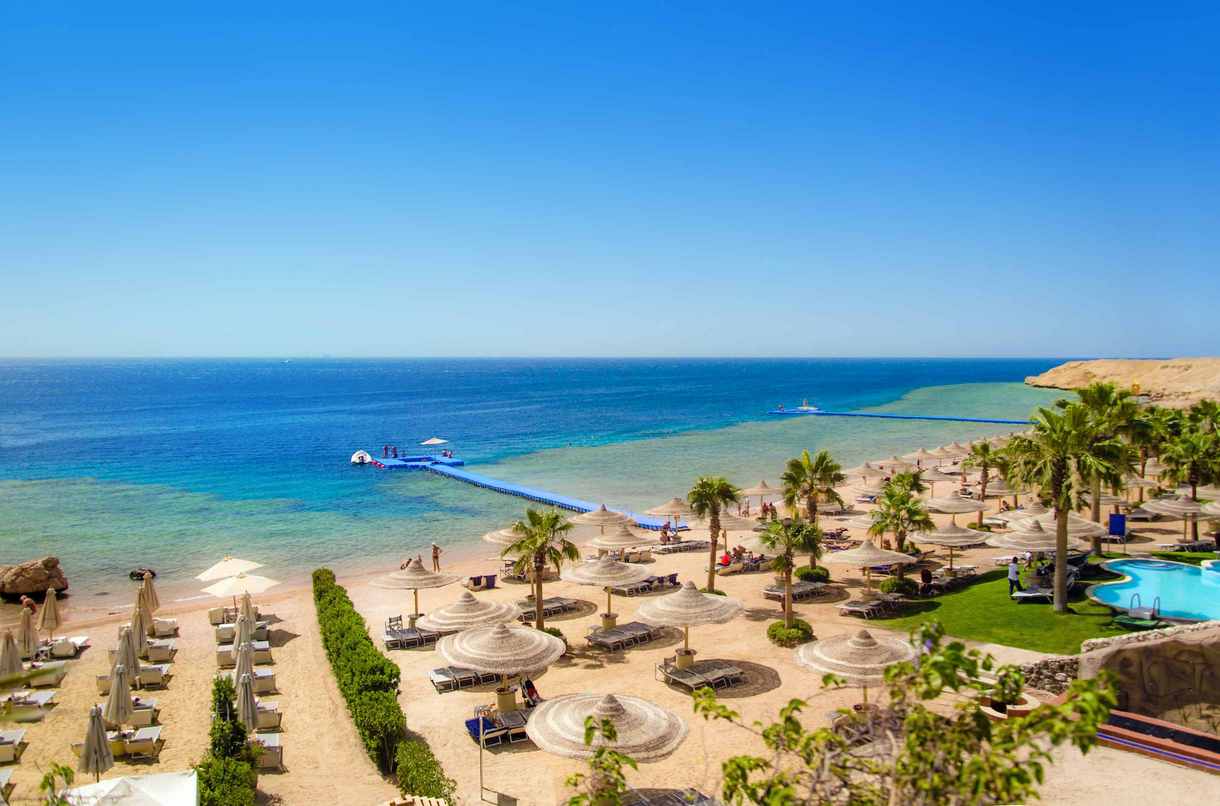
Sharm El Sheikh has regained its tourism momentum following a short period of decline in visitor numbers at the beginning of spring. The Hotel Establishments Chamber in South Sinai confirmed that hotel occupancy rates have surpassed 80%, reflecting a notable recovery in incoming tourism to the city.
In statements, Hani Suleiman, Secretary of the Hotel Chamber affiliated with the South Sinai Tourism Chambers Union, explained that the tourism sector experienced a slight decline in tourist inflow over the past weeks due to geopolitical tensions in the region. However, this impact was temporary, as bookings have returned and demand has risen again.
Details of the Situation
This news comes at a time when the region is still suffering from political and military fluctuations. The United States and Iran announced a two-week ceasefire on April 8, coinciding with talks in Islamabad that yielded no decisive results. On April 21, former U.S. President Donald Trump announced an extension of the ceasefire until Tehran presents proposals for resolution.
Despite these tense regional atmospheres, Egyptian tourist resorts, particularly in the Red Sea and South Sinai, remain relatively insulated from the direct effects of these crises, reflecting continued tourist confidence in the stability of Egyptian tourist destinations and their ability to maintain strong operational levels.
Background & Context
Historically, Sharm El Sheikh has faced numerous challenges due to the political situation in the region, yet the city has always managed to recover and return to normal operational levels. Tourism is one of the main sources of revenue in Egypt, significantly contributing to the national economy.
As the summer season approaches, demand for Red Sea destinations is increasing, enhancing the prospects for a recovery in Egypt's tourism sector. Forecasts indicate that tourism will continue to grow, especially with increased bookings from European and Arab markets.
Impact & Consequences
The continued occupancy rates above 80% are a positive indicator of the resilience of the Egyptian tourism sector, reflecting the country's ability to attract tourists even under challenging regional conditions. This recovery could contribute to boosting investments in the tourism sector, benefiting the local economy.
This recovery also demonstrates Egypt's capacity to manage crises and adapt to changes, increasing its appeal as a safe and stable tourist destination.
Regional Significance
The success of Sharm El Sheikh in regaining its tourism momentum serves as a model for other Arab countries facing similar challenges. This experience could inspire other nations to invest more in tourism development and enhance security and stability in their regions.
In conclusion, the revival of Sharm El Sheikh's tourism reflects Egypt's ability to overcome crises, reinforcing its status as a major tourist destination in the region.