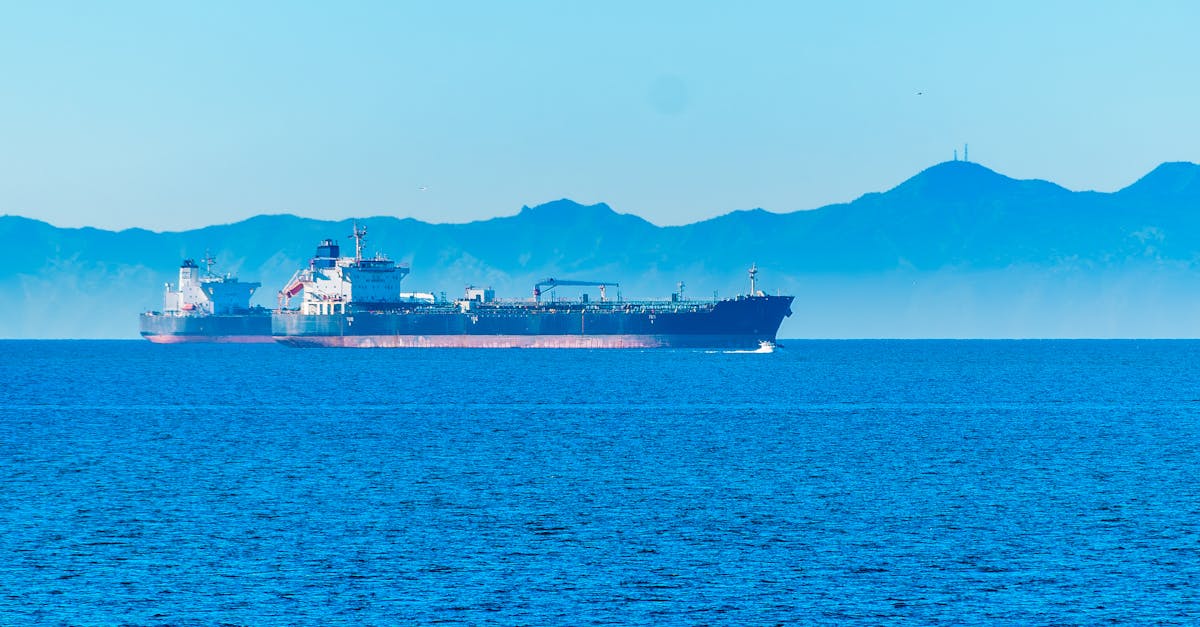
According to CNN, President Donald Trump has demonstrated a lack of enthusiasm for Iran's proposal, which involves postponing discussions related to its nuclear program in exchange for reopening the Hormuz Strait. This suggestion, put forth by Iran, arises at a time when the world is witnessing increasing tensions surrounding Iran's nuclear ambitions and the freedom of navigation in one of the most vital maritime corridors globally.
Sources, whose identities were not disclosed by the network, indicate that Iran hopes this proposal will alleviate the international pressures imposed on it due to its nuclear program. The Hormuz Strait is a crucial point for oil and gas transportation, with approximately 20% of the world's oil supplies passing through it.
Details of the Event
The negotiations concerning Iran's nuclear program are a contentious issue, as major powers seek to reach an agreement that ensures Iran does not develop nuclear weapons. Conversely, Iran insists on its right to develop its nuclear program for peaceful purposes. The Iranian proposal to reopen the Hormuz Strait comes at a sensitive time, following a series of maritime incidents that have heightened tensions in the region.
Trump, facing both domestic and international pressures, appears unwilling to make concessions in this context. He has indicated that any agreement must include strong guarantees against Iran developing nuclear weapons, which may conflict with what Iran is offering in its proposal.
Background & Context
Historically, the Hormuz Strait has experienced recurring tensions between Iran and Western nations, particularly the United States. In recent years, these tensions have escalated following the U.S. withdrawal from the Iranian nuclear deal in 2018, leading to the imposition of stringent economic sanctions on Iran. These sanctions have significantly impacted the Iranian economy, prompting Tehran to seek ways to negotiate with Washington.
In this context, Iran's proposal is part of its strategy to mitigate international pressures. However, American reactions suggest that Trump prefers a policy of pressure on Tehran rather than negotiations at this time.
Impact & Consequences
Trump's rejection of Iran's proposal could exacerbate tensions in the region, potentially affecting global oil prices and market stability. If Iran continues to advance its nuclear program, this may provoke military responses from Western nations, increasing the risk of conflict in the area.
On the other hand, the continuation of these circumstances could negatively impact relations between the United States and its allies in the region, especially the Gulf states that rely on the stability of the Hormuz Strait for their oil supplies.
Regional Significance
The Arabian Gulf region is one of the most sensitive areas in the world, marked by ongoing tensions between Iran and Arab nations. Trump's rejection of Iran's proposal may strengthen the position of Arab countries that are wary of Iran's nuclear ambitions. Furthermore, any escalation in the region could affect the security and stability of neighboring countries, increasing the suffering of Arab populations.
In conclusion, the situation in the Hormuz Strait and the negotiations surrounding Iran's nuclear program remain complex issues that require careful diplomacy. Current tensions could lead to far-reaching consequences for regional and international security.