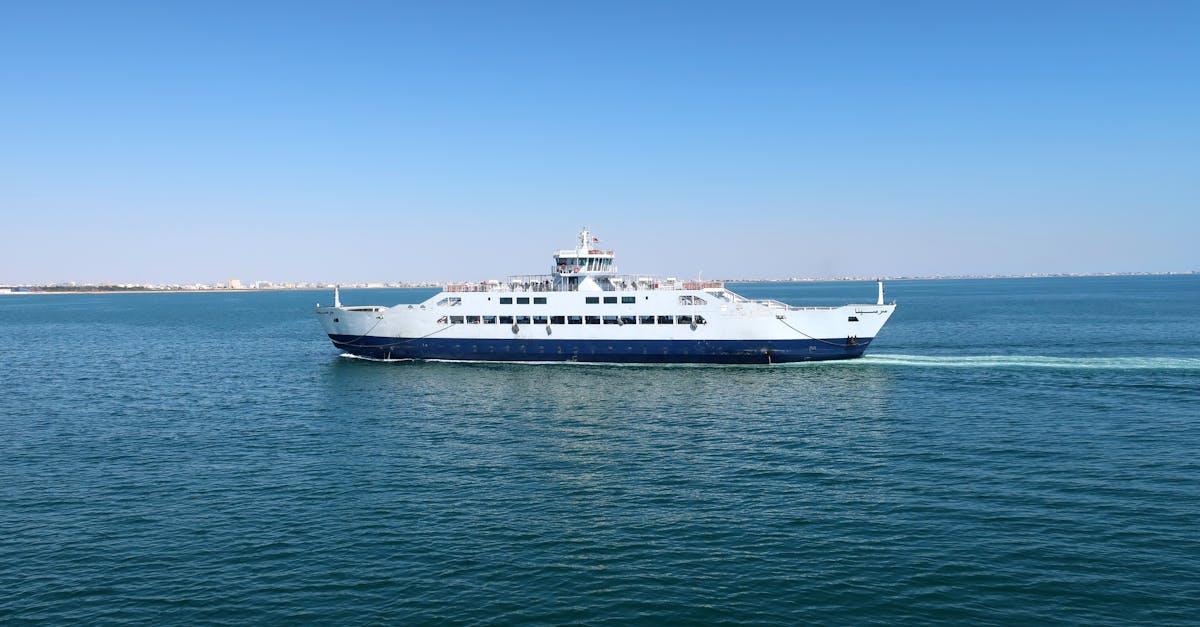
The United States has reaffirmed that the Strait of Hormuz, one of the world's most vital waterways, is not owned by Iran and cannot be used as a means of pressure or manipulation. These comments come at a time when the region is experiencing increasing tensions, as Iran seeks to enhance its influence in the Persian Gulf.
The U.S. considers the Strait of Hormuz a vital artery for global trade, through which approximately 20% of the world's oil passes. Therefore, any threats related to its closure or manipulation significantly impact global markets.
Details of the Event
In official statements, U.S. officials emphasized that any attempt by Iran to control the Strait of Hormuz or use it as a bargaining tool would face decisive reactions. This warning comes in the context of a series of maritime skirmishes between Iranian forces and commercial vessels.
Officials also noted that the United States is committed to protecting freedom of navigation in this strategic area and will take all necessary measures to ensure the safety of commercial ships.
Background & Context
Historically, the Strait of Hormuz has witnessed ongoing tensions between Iran and Western nations, particularly the United States. In recent years, Iran has increased its military activities in the region, raising concerns among neighboring countries and the international community.
These American statements are a response to a series of maritime incidents in the area, including the detention of ships and threats to close the strait. These events reflect the escalating tensions between Iran and the United States, especially following the latter's withdrawal from the nuclear agreement.
Impact & Consequences
The U.S. statements underscore the importance of the Strait of Hormuz as a crucial area for global trade, which may affect oil prices and financial markets. Any escalation in the region could lead to a rise in oil prices, impacting the global economy.
Additionally, these statements could increase tensions between Iran and Western nations, potentially reflecting on regional security and heightening the likelihood of military conflicts.
Regional Significance
Arab countries neighboring the Strait of Hormuz, such as Saudi Arabia and the United Arab Emirates, find themselves in a sensitive position. Any escalation in tensions could affect the stability of these countries and increase security risks.
These nations strive to maintain stability in oil markets, as their economies heavily rely on oil exports. Thus, any threats related to the Strait of Hormuz directly impact their economic and security interests.
In conclusion, the situation in the Strait of Hormuz remains under close observation, with growing concerns over escalating tensions. The international community must work to de-escalate the situation to ensure regional stability and protect freedom of navigation.