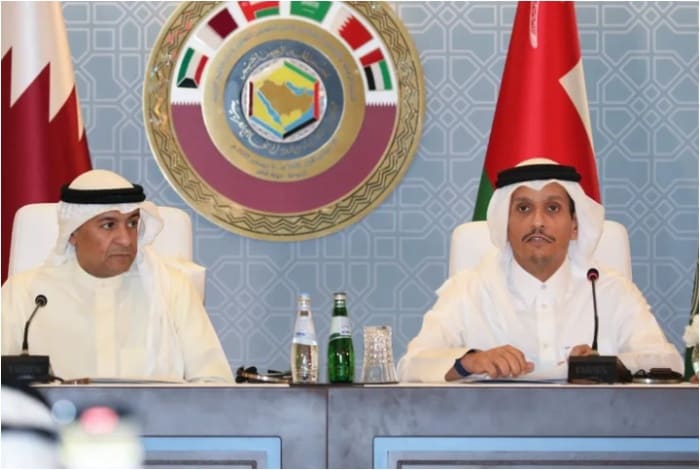
On Tuesday, leaders of the Gulf Cooperation Council (GCC) will convene for an extraordinary consultative summit in Jeddah, Saudi Arabia, aimed at discussing the current developments in the region as well as efforts to de-escalate tensions between the United States and Iran. This summit is taking place at a critical time, as concerns grow over the repercussions of the ongoing conflict and its impacts on security and the economy in the region.
According to the Kuwaiti news agency "KUNA", the summit will also address the implications of the ongoing security and economic war in the region, amidst rising tensions between Tehran and Washington. This summit is part of increasing international efforts aimed at ending the Iranian conflict, with significant efforts being made to achieve progress in negotiations between the two sides through Pakistani mediation.
Event Details
Jeddah is hosting this summit which gathers leaders from the GCC member states, at a time when the region is witnessing significant political and economic transformations. Leaders from Saudi Arabia, Kuwait, the UAE, Bahrain, Qatar, and Oman are expected to participate, where they will discuss ways to enhance Gulf cooperation in facing current challenges.
The summit will also discuss ways to strengthen regional security and coordinate positions among GCC member states, in light of the increasing threats facing the region. Discussions are expected to focus on how to address the economic repercussions of the current crises, including their impact on oil markets and trade.
Background & Context
This summit coincides with escalating tensions between the United States and Iran, as Washington seeks to impose further pressure on Tehran. Relations between the two sides have deteriorated significantly since the United States withdrew from the Iranian nuclear agreement in 2018, leading to an escalation of hostilities in the region.
In recent years, the Gulf region has witnessed numerous crises, including the conflict in Yemen and tensions in Iraq and Syria. These crises have increased the need for coordinated efforts among GCC countries to ensure the stability and security of the region.
Impact & Consequences
The consultative summit in Jeddah is considered an important step towards enhancing Gulf cooperation in facing regional challenges. The outcomes of the summit are expected to shape the foreign policy of Gulf states, especially amid the changing conditions in the region.
Furthermore, the success of the summit in achieving consensus among member states may contribute to enhancing economic stability and bolster the Gulf countries' ability to face looming economic challenges, particularly with declining oil prices and the impacts of the COVID-19 pandemic.
Regional Significance
The Gulf summit in Jeddah serves as an indicator of the importance of Arab coordination in confronting common challenges. Cooperation among Gulf states can serve as a model for other Arab countries on how to deal with regional crises.
Amid ongoing tensions, enhancing cooperation among Gulf states can contribute to achieving security and stability in the region, and increase the prospects for peace in existing conflicts. The results of the summit may directly impact relations between Arab countries and Iran, potentially opening new avenues for dialogue and understanding.
In conclusion, the extraordinary consultative summit in Jeddah represents a historic opportunity for Gulf leaders to unify their efforts in confronting common challenges and enhancing security and stability in the region.