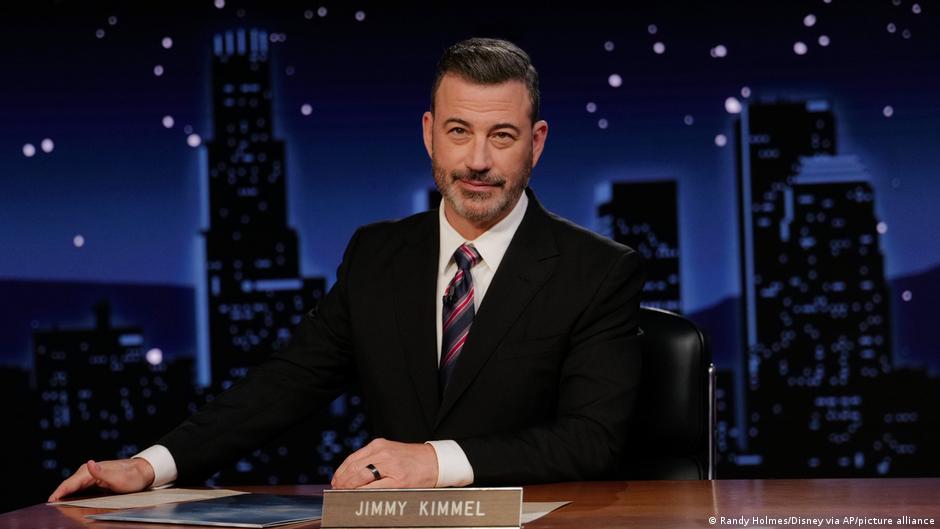
In response to the backlash he faced, American comedian Jimmy Kimmel asserted that his joke about Melania Trump was not in any way an invitation to assassinate the president. This clarification came after he encountered harsh criticism from President Donald Trump and his wife following a shooting incident that occurred at the White House Correspondents' Dinner.
During an episode of his show on Monday, Kimmel explained that the joke was a "light-hearted quip" concerning the age difference between Trump and his wife, stating: "He is close to eighty and she is younger than me." He emphasized that the joke was not intended to incite violence.
Details of the Controversial Joke
The controversial joke was made just days before the shooting incident, where Kimmel described Melania as having a "glow like a waiting widow," which sparked angry reactions from the Trump family.
Melania Trump expressed her displeasure via social media, indicating that "people like Kimmel should not have the opportunity to enter our homes every evening to spread hate." Meanwhile, Trump labeled the joke as a "horrific call for violence," noting that it crossed acceptable boundaries.
Background & Context
Historically, the relationship between Trump and the media, especially comedy shows, has been strained. Trump has repeatedly called for the cancellation of comedy or news programs that criticize him, and he has pressured regulatory bodies to revoke broadcasting licenses from networks he deems unfair.
Impact & Consequences
This incident illustrates how satirical comments can affect the relationships between public figures and the media. While some consider comedy a means of expressing opinion, others believe it can incite violence or hatred. This incident also reflects ongoing tensions in American society regarding freedom of expression.
Regional Significance
The implications of Kimmel's joke extend beyond mere entertainment, highlighting the delicate balance between humor and ethical boundaries in public discourse. As the nation grapples with issues of free speech, this event serves as a reminder of the potential consequences of words in a politically charged environment.
In conclusion, the incident not only underscores the contentious relationship between public figures and the media but also raises important questions about the role of comedy in society and its impact on public sentiment.