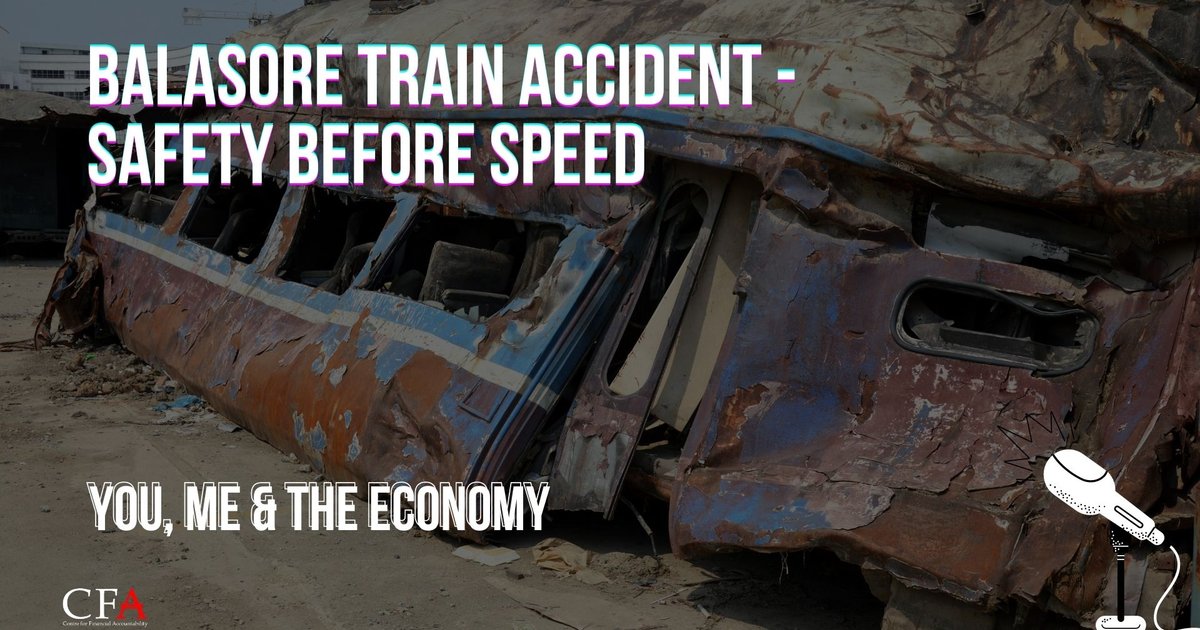
Indonesian parliament member Abdul Hadi has urged for a thorough evaluation of the railway safety system after a collision occurred at the Bekasi station in West Java on Monday evening (April 27). The incident, which resulted in injuries, serves as a wake-up call regarding the need to improve safety standards in the railway transport sector.
In his statements made in Jakarta, Abdul Hadi emphasized that this incident should not be viewed as a mere accident, but rather as a sign of systemic issues that require immediate attention. He pointed out that the incident necessitates a comprehensive investigation by the Ministry of Transportation and the National Transportation Safety Committee.
Details of the Incident
According to preliminary information, the accident is believed to have started when an electric train (KRL) collided with a green electric taxi at railway crossing number 85. This collision led to a series of accidents, as another train stopped behind the affected train, resulting in a collision with a long-distance train that was en route from Gambir to Surabaya.
Abdul Hadi noted that this chain of events highlights the necessity for an effective warning system that can detect stationary trains on the tracks. He also called for an investigation into whether there were failures in the system, procedures, or coordination among the involved teams.
Background & Context
Historically, Indonesia has witnessed numerous accidents in the railway sector, raising questions about the efficiency of the safety system. Despite efforts to improve infrastructure, accidents continue to occur, underscoring the need for greater investments in technology and safety.
Unprotected crossings are considered some of the most dangerous points in the railway network, as many crossings still lack proper guarding. This situation requires urgent intervention from authorities to enhance safety.
Impact & Consequences
The recent accident serves as a call to reflect on how to improve the public transportation system in Indonesia. Public transport safety must be a priority, as any shortcomings in this area can lead to severe consequences for lives and property.
Abdul Hadi called for immediate actions, such as closing high-risk crossings and accelerating the construction of bridges and tunnels in high-traffic areas. He also emphasized the importance of implementing automatic safety systems to ensure trains stop in the event of danger.
Regional Significance
Issues of safety in public transportation are global concerns that affect all countries, including Arab nations. The accidents occurring in Indonesia highlight the importance of enhancing safety in transportation systems, which should serve as a lesson for Arab countries facing similar challenges in this area.
In conclusion, incidents like this should act as a catalyst for improving public transportation systems worldwide. The safety of citizens must always be a top priority, and necessary efforts should be made to ensure that.