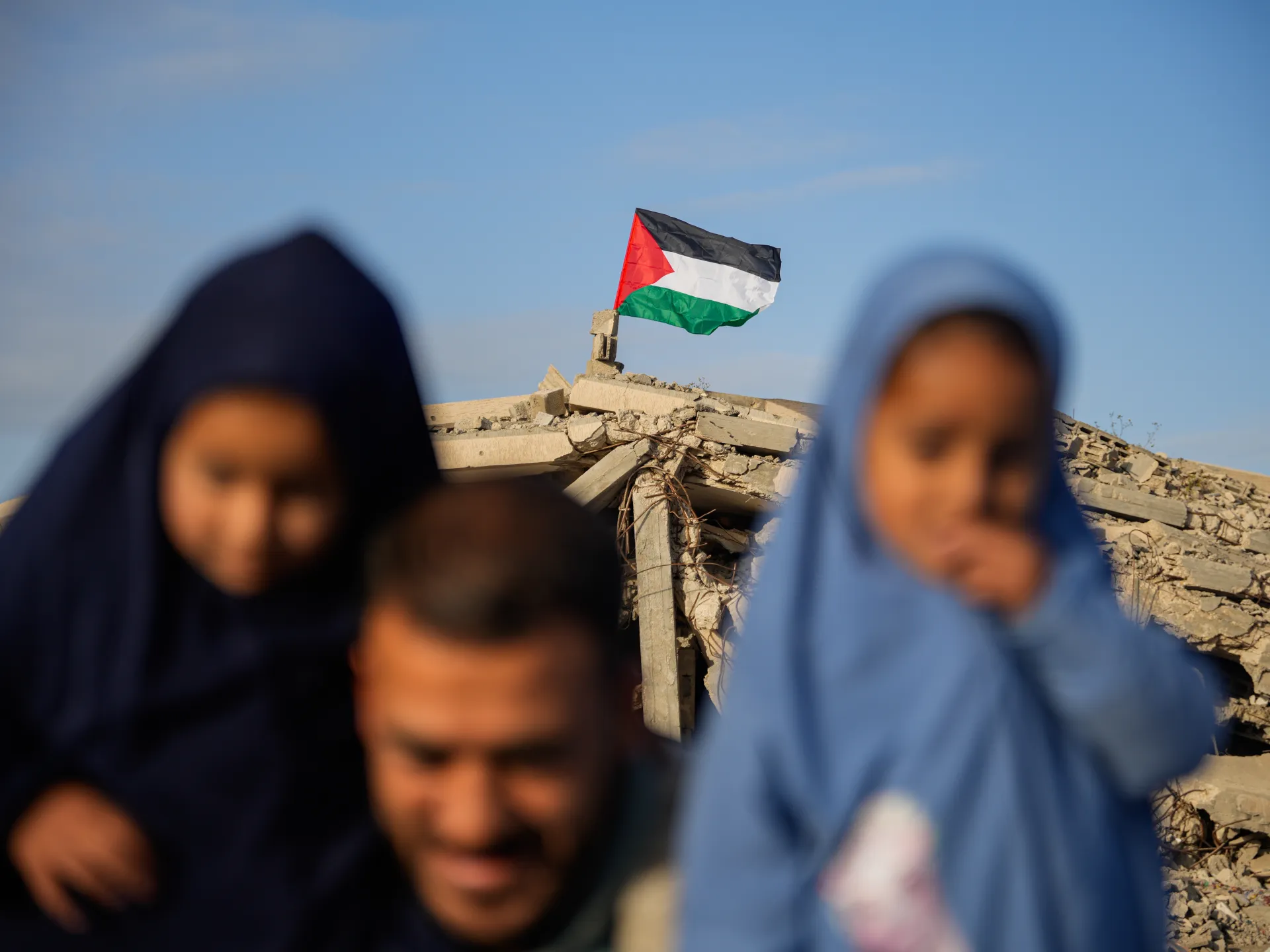
Displaced individuals in Gaza are enduring a tragic humanitarian reality amid a worsening housing crisis and the destruction of residential buildings due to ongoing conflict. As the number of displaced persons increases, some families have turned to erecting tents inside buildings threatened with collapse, in a desperate attempt to secure shelter.
This phenomenon has raised alarm among specialists, who have warned that over 2000 buildings in Gaza are at risk of collapse, rendering these structures uninhabitable. Nevertheless, the options available to the displaced remain limited, forcing them to take steps that may endanger their lives.
Details of the Situation
The number of families residing in tents within threatened buildings is on the rise, as many seek to secure a place to live under difficult conditions. This step reflects the depth of the humanitarian crisis facing the region, where the displaced lack adequate shelter and basic resources.
The crisis is exacerbated by ongoing bombardments and military operations, which increase the number of destroyed buildings and complicate relief efforts. Reports have indicated that many families are living in inhumane conditions, lacking essential services such as water and electricity.
Background & Context
The history of the conflict in Gaza spans decades, with the region experiencing repeated clashes that have led to widespread destruction of infrastructure. Since the onset of the latest conflict, humanitarian conditions have significantly deteriorated, causing many families to lose their homes and be forced to live in harsh circumstances.
The housing crisis is one of the most pressing challenges facing the displaced, as most facilities lack necessary maintenance, increasing the risk of collapse. This situation requires an urgent response from the international community to provide the necessary assistance to those affected.
Impact & Consequences
The repercussions of the housing crisis in Gaza extend beyond local borders, affecting regional stability. As the number of displaced individuals rises, pressures increase on neighboring countries hosting refugees, potentially exacerbating humanitarian crises in the region.
Furthermore, the continuation of this crisis could lead to the spread of diseases and social unrest, complicating the humanitarian situation further. It is crucial for humanitarian organizations to act swiftly to provide the necessary support to those affected.
Regional Significance
The housing crisis in Gaza exemplifies the humanitarian challenges faced by many Arab countries. With increasing conflicts and disputes, it becomes essential to enhance regional cooperation to address these crises.
These circumstances require a coordinated response from Arab nations and the international community to ensure that necessary assistance is provided to those affected and to work towards finding lasting solutions to humanitarian crises.
In conclusion, the housing crisis in Gaza remains an urgent issue that requires immediate attention from all concerned parties. There must be joint efforts to support the displaced and ensure their basic human rights are upheld.