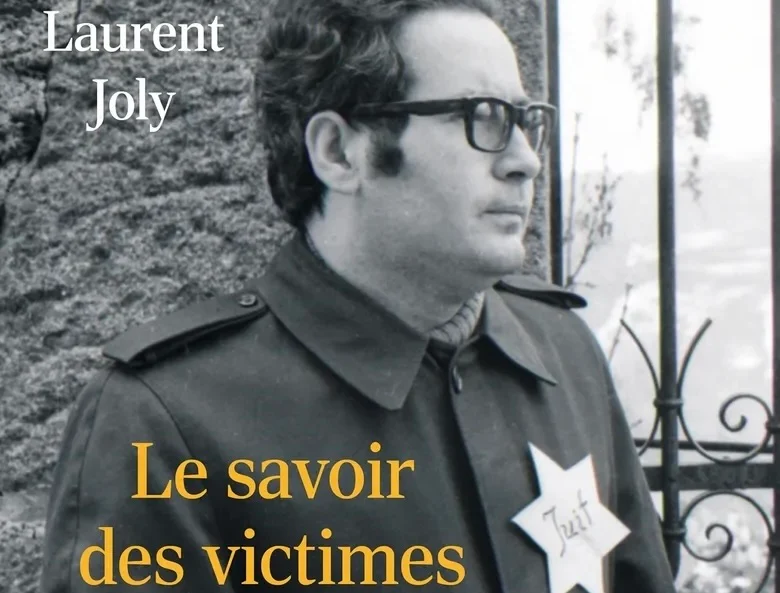
Laurent Joly, a researcher at the French National Center for Scientific Research, discusses the far-right's influence on French history over the past two centuries. In an interview with "Le Monde", he explains that the term "far-right" more accurately reflects the current political climate in France compared to "radical right". He also notes that the concept of "nationalism" is experiencing a strong period of development today, raising questions about how historical narratives are shaped in the country.
Joly, who studies the history of the far-right, believes there is a close relationship between the rise of these nationalist movements and France's history. He asserts that the far-right is not merely a political movement but part of a broader historical narrative that involves the reinterpretation of historical events to serve its political agenda.
Event Details
In his discussion, Joly pointed out that the use of the term "far-right" better reflects current trends in French politics, as these movements adopt stringent positions on immigration and national identity. He clarified that these movements exploit history to justify their stances, leading to a rewriting of history that aligns with their interests.
Joly also addressed how these nationalist movements utilize specific historical narratives to enhance citizens' sense of belonging, thereby boosting their popularity. He considers this a significant challenge for historians and researchers striving to maintain historical accuracy.
Background & Context
The history of the far-right in France dates back to the 19th century, when the first nationalist movements emerged in the context of social and political transformations. Over time, these movements evolved to become more organized and influential, particularly during periods of economic or social crises.
In recent years, France has witnessed a notable rise of the far-right, with some parties achieving significant results in local and national elections. This rise reflects growing concerns over immigration and identity issues, prompting a reevaluation of how national history is understood.
Impact & Consequences
The far-right's influence on historical narratives in France is a crucial issue, as it may lead to changes in how history is taught in schools and universities. This situation could also affect how young people understand their country's history, creating new divisions within society.
Moreover, rewriting history to favor political agendas can exacerbate social divisions, as some citizens may feel that their history is being ignored or distorted. This can intensify tensions between different social groups.
Regional Significance
The Arab region is indirectly affected by political events in Europe, as the rise of the far-right in France could influence immigration and asylum policies, impacting Arab countries facing humanitarian crises. Additionally, the rewriting of history in Europe may affect how Arabs understand their history and the history of relations between East and West.
In conclusion, Laurent Joly's analysis of the far-right's impact on French history serves as a call to reflect on how historical narratives are shaped and their effects on society. Understanding these dynamics can help promote dialogue and understanding among different cultures.