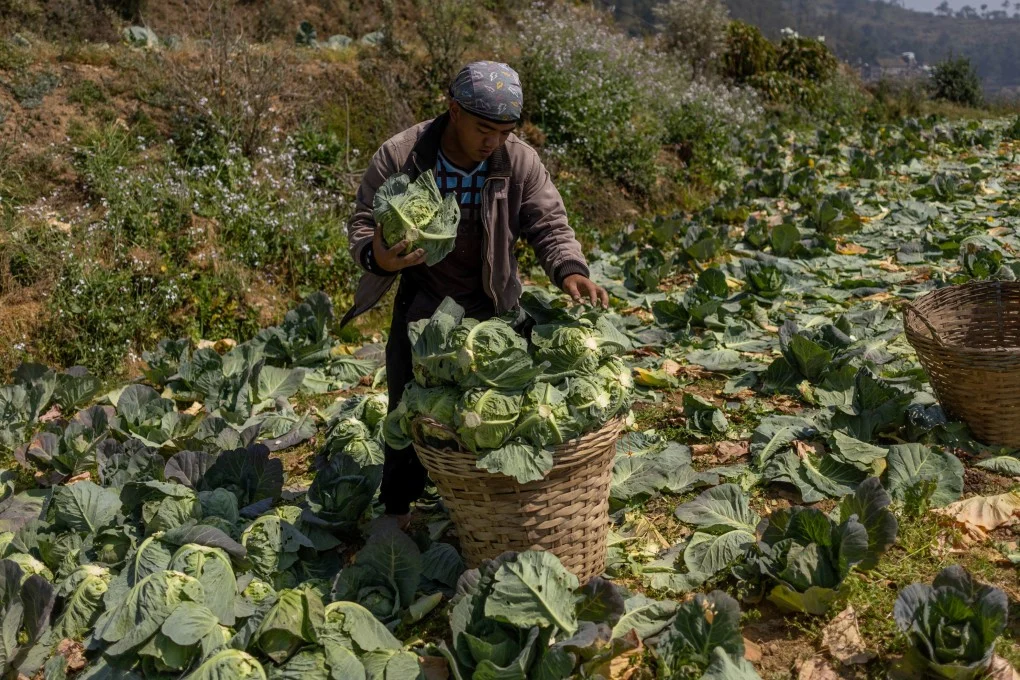
Farmers in the Philippines, like Romeo Wacayan, are grappling with a suffocating crisis that compels them to abandon their crops to rot in the fields rather than sell them at a loss. This predicament stems from soaring oil prices linked to conflicts in the Middle East, which escalate harvesting and transportation costs.
Wacayan, a 57-year-old vegetable farmer from Benguet province, states, "There is nothing we can do." He adds, "If we harvest, our losses will increase due to labor, transportation, and packaging costs. We are in a very difficult situation." These testimonies reflect a bitter reality faced by many farmers in the Philippines.
Rising Fuel Prices and Their Impact
Fuel prices have been consistently increasing, directly affecting agricultural costs. While farmers face multiple challenges, including climate change, the fuel price crisis complicates matters further. Reports indicate that many farmers prefer to let their crops rot rather than bear the costs of harvesting and transportation.
The Philippines is one of the countries that heavily relies on agriculture, with this sector being a significant part of the national economy. However, the rising fuel costs threaten the survival of many farmers in the market, potentially leading to food supply shortages.
Background & Context
Historically, the Philippines has experienced numerous economic crises that have impacted the agricultural sector. For decades, fuel prices have been influenced by geopolitical crises, particularly in the Middle East. As conflicts in the region escalate, oil prices are significantly affected, negatively impacting agricultural production costs.
In recent years, the Philippines has also witnessed the effects of climate change, leading to alterations in weather patterns and an increase in natural disasters. These combined factors make it challenging for farmers to adapt to changing conditions.
Impact & Consequences
The fuel price crisis directly affects farmers, leading to a decline in agricultural production. If this crisis continues, it could result in food supply shortages and rising prices in markets. Additionally, allowing crops to rot may lead to a loss of confidence in the agricultural sector, threatening the country's food security.
Moreover, this crisis could prompt farmers to migrate to cities in search of better job opportunities, increasing pressure on urban areas and exacerbating unemployment issues.
Regional Significance
This crisis underscores the economic challenges facing the agricultural sector in the Philippines and its impact on food security. The situation calls for urgent attention from policymakers to address the rising costs and support farmers in navigating these turbulent times.
In conclusion, the ongoing fuel price crisis not only threatens the livelihoods of farmers but also poses a significant risk to the overall food supply chain in the Philippines, necessitating immediate action to avert further deterioration.