In response to the continuous rise in energy prices, Hitoshi Goto, a member of the Japanese parliament from the Constitutional Democratic Party, has proposed that the government reevaluate its stance on importing oil from Russia. This suggestion arises at a time when Japan is facing significant challenges in securing the necessary energy supplies to meet its needs.
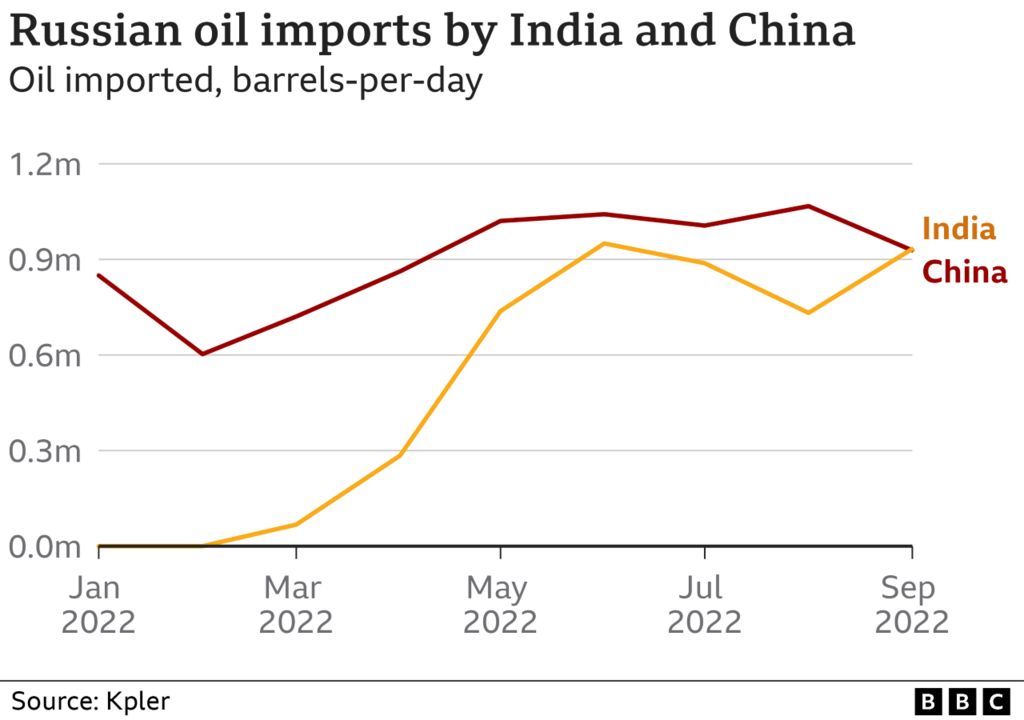
Goto pointed out that Russia is the largest oil producer in the world, with the capacity to export substantial quantities of oil. Countries such as India and South Korea have already begun exploring opportunities to import oil from Russia, opening the door for Japan to consider this option.
Details of the Proposal
During his statements, Goto emphasized the importance of this option for Japan, as it could help secure large oil supplies at lower prices. This proposal comes at a sensitive time, as Japan faces major challenges in securing energy supplies due to geopolitical crises.
On his part, Fumio Kishida, the Japanese Prime Minister, did not provide a clear response to the proposal but indicated that any decision regarding oil imports from Russia would be made based on Japan's national interests, alongside efforts to achieve sustainable peace in Ukraine.
Background & Context
Since the onset of the conflict in Ukraine, Japan has routinely halted oil purchases from Russia, although it still imports limited quantities of oil through the Sakhalin-2 project. For instance, Taiyo Oil imported approximately 600,000 barrels of Sakhalin Blend oil last summer, marking the first shipment since 2023.
Japan is one of the largest oil importers globally and relies heavily on imports to meet its energy needs. Therefore, any changes in oil import policies could significantly impact the Japanese economy.
Impact & Consequences
If Japan decides to resume oil imports from Russia, it could lead to significant changes in the global energy market. This decision may contribute to lowering global oil prices, which would have positive effects on the Japanese economy, currently grappling with rising energy costs.
However, this decision could provoke negative reactions from the international community, particularly from countries that have imposed sanctions on Russia due to the conflict in Ukraine. Thus, Japan must balance its national interests with its international commitments.
Regional Significance
This proposal reflects the challenges Japan faces in securing energy supplies and indicates the potential for shifts in global energy policies. The implications of resuming oil imports from Russia could resonate beyond Japan, affecting international energy dynamics.
In conclusion, as Japan navigates these complex geopolitical waters, the decision to reconsider oil imports from Russia will be closely watched, not only for its economic implications but also for its broader geopolitical ramifications.