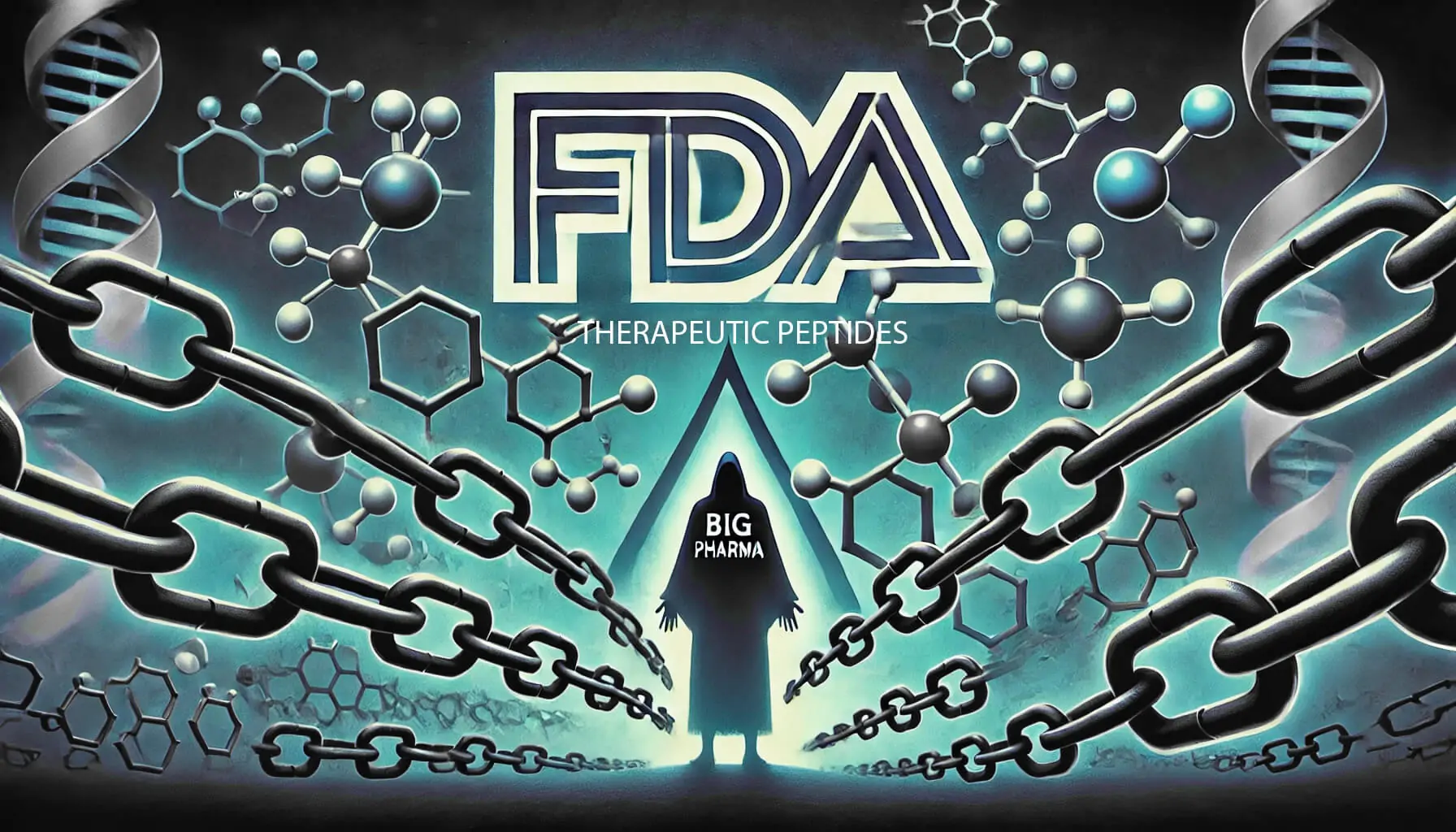
Reports indicate that the U.S. Food and Drug Administration (FDA) intends to permit the production of 14 peptides that were previously banned due to safety concerns. This decision comes amid increasing calls for the use of these substances in medical treatments, raising questions about the potential risks and benefits.
Peptides are small molecules composed of chains of amino acids and play a crucial role in many biological processes. Some of these peptides have been used in medical treatments, but they were banned previously due to safety concerns and potential side effects.
Details of the Event
The FDA is seeking to reevaluate its stance on these peptides, as allowing their production may open the door for the development of new treatments. Some experts have pointed out that this move could be necessary to meet the growing market demand for alternative therapies.
However, there is significant concern among doctors and researchers regarding safety. The previously banned peptides were associated with a number of negative side effects, making it essential to conduct further research before taking any steps toward reintroducing them to the market.
Background & Context
Historically, peptides have been used in medicine to treat a variety of conditions, ranging from immune diseases to endocrine disorders. However, safety concerns have led to the banning of many of them. In recent years, the pharmaceutical industry has seen an increasing interest in developing peptide-based therapies, leading to calls for a reevaluation of the imposed bans.
These developments coincide with a growing interest in alternative and natural therapies, as many patients seek less conventional treatment options. Therefore, allowing the production of these peptides could have a significant impact on the pharmaceutical market.
Impact & Consequences
If the production of these peptides is permitted, it could lead to the emergence of a new range of treatments that may be more effective or safer than current options. However, the risks associated with these substances remain, necessitating further research to ensure their safety.
This decision serves as a test for the FDA, as it will have to balance innovation in the medical field with patient safety. Additionally, this decision may open the floor for further discussions on how to regulate new drugs and treatments.
Regional Significance
In the Arab region, this decision may influence how countries deal with drugs and alternative therapies. With a growing interest in natural and alternative treatments, some Arab countries may move toward reevaluating their health policies to include new options.
Moreover, allowing the production of these peptides could open the door for Arab companies to invest in developing new treatments, potentially contributing to improving healthcare in the region.
The FDA's decision to allow the production of these peptides could have far-reaching effects on the pharmaceutical industry, both in the United States and globally. However, the risks associated with these substances necessitate further research and study to ensure patient safety.