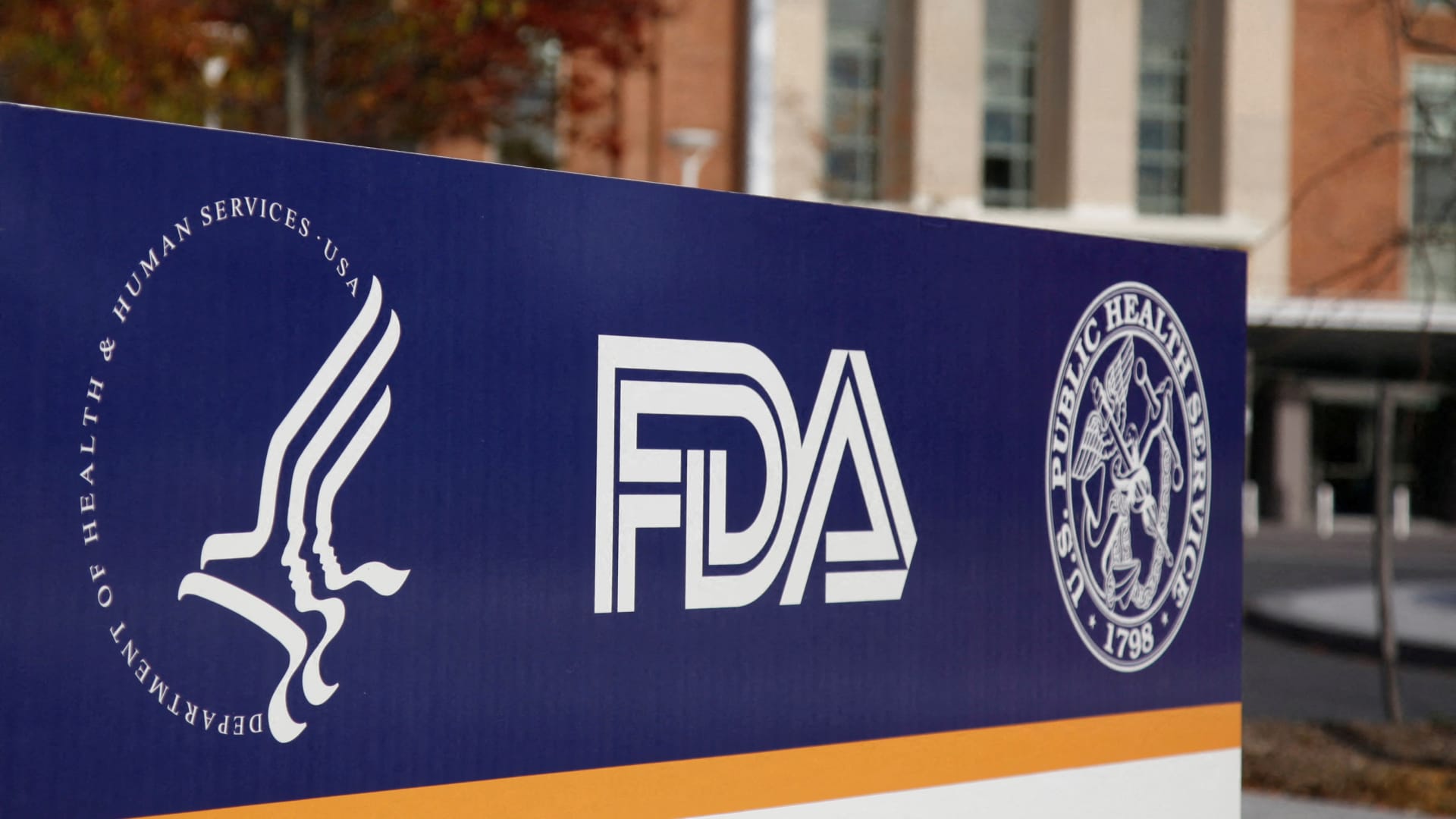
In a controversial move, the U.S. Food and Drug Administration (FDA) has declared that it will not issue clarifications regarding the laws that prohibit the importation of drugs from abroad, despite growing evidence of the proliferation of alternative funding programs (AFPs) that import medications. These programs aim to assist patients who do not have their health plans cover the costs of necessary drugs for treating serious illnesses.
These programs import drugs from foreign markets, which U.S. regulatory authorities consider a violation of import laws. This announcement came after the FDA responded to a request from Aimed Alliance, a nonprofit organization focused on health policy, which sought clarification on the agency's stance regarding these programs.
Details of the Announcement
In a letter dated March 27, the FDA confirmed that it shares Aimed Alliance's concerns about drugs that may be contaminated or counterfeit, potentially containing varying amounts of active ingredients. However, the agency rejected the organization's request to issue a clear statement regarding alternative funding programs, indicating that such clarification is not warranted at this time.
The FDA also explained that issuing such guidance would not be an effective use of its limited resources. It emphasized that it takes complaints seriously but clarified that the legal actions required are not within the scope of requests submitted by citizens.
Background & Context
Alternative funding programs are considered part of the U.S. healthcare system, striving to provide affordable medications for patients facing difficulties in affording them. However, these programs face criticism from some regulatory bodies that argue that importing drugs from abroad may expose patients to health risks.
Historically, there have been several attempts by health organizations to pressure the FDA to clarify its position on drug importation, especially in light of rising drug costs in the United States. Nevertheless, the agency remains hesitant to take clear steps in this direction.
Impact & Consequences
This issue raises significant concerns among patients who rely on these programs to obtain essential medications. The FDA's refusal to clarify its position may exacerbate the situation for many patients suffering from serious illnesses who need expensive drugs.
Moreover, this decision could affect patients' trust in the healthcare system, as some may feel compelled to turn to unreliable sources to obtain the medications they need. This situation could increase health risks and lead to the proliferation of counterfeit or contaminated drugs in the market.
Regional Significance
In light of these developments, many may wonder how this issue impacts Arab countries. Drug costs are a sensitive issue in many Arab nations, where patients face challenges in accessing necessary medications for their treatment. This situation may stimulate discussions about drug import policies in the region, especially amid rising prices.
In conclusion, the issue of importing drugs from abroad remains a contentious topic that requires further discussion and clarification from the relevant authorities to ensure patient safety and provide necessary medications.