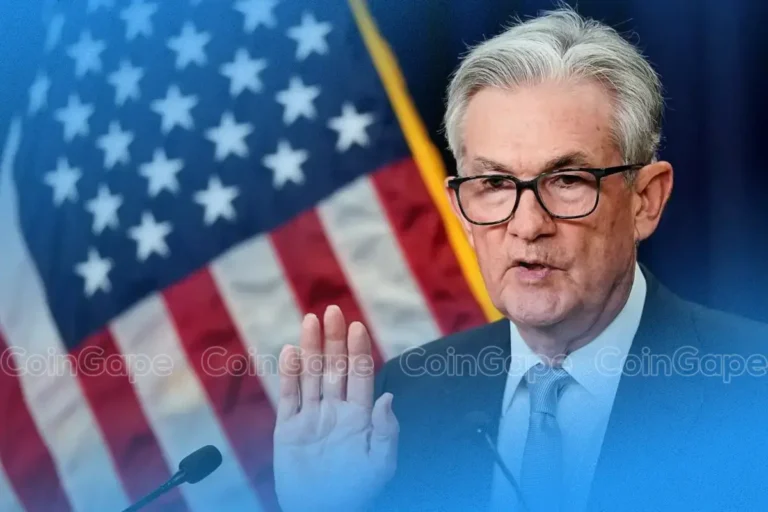
In what may be Jerome Powell's last meeting as Chair of the Federal Reserve, he is expected to lead his fellow monetary policymakers towards a cautious decision to halt interest rate hikes, given the ongoing high inflation and a robust labor market that leaves little room for rate cuts.
This decision comes at a time when prices are experiencing significant increases, with inflation remaining above the targeted 2% for five consecutive years, while the labor market shows signs of stability without being under severe pressure. This situation does not indicate the possibility of easing monetary policy at this time.
Details of the Meeting
Analysts expect the statement released after the meeting to acknowledge improvements in the labor market and rising inflation figures, but it is likely that the policy guidance will remain unchanged. Forecasts suggest a strong consensus against altering monetary policy at present, with only one dissenting opinion, similar to the situation in the March meeting.
With no significant drama surrounding the interest rate decision, as markets estimate a 100% probability that the Federal Open Market Committee will maintain its current stance, all attention will be directed towards Powell.
Background & Context
Historically, the relationships between Federal Reserve Chairs and U.S. Presidents have been marked by significant tensions, with Powell being one of the leaders who faced substantial challenges in managing monetary policy during his tenure. With oil prices rising to around $100 per barrel and the average gasoline price reaching $4.18 per gallon, the Federal Reserve faces additional challenges in determining the course of its monetary policy.
Although Federal Reserve officials typically consider these price increases to be temporary, they remain cautious about the long-term effects that may arise from escalating conflicts in the Middle East.
Impact & Consequences
Forecasts indicate that inflation will remain higher than expected, which may pressure the Federal Reserve to take more cautious actions in the future. This meeting is expected to serve as a turning point, as it may be Powell's last time leading the meeting before his successor, Kevin Warsh, takes over the position.
Pressure is mounting on Powell to make decisions that reflect the current economic situation, which may impact the stability of financial markets in the near future.
Regional Significance
Arab countries are significantly affected by changes in U.S. monetary policy, as any alteration in interest rates may impact investment flows and exchange rates. With rising oil prices, oil-producing countries may see an increase in revenues, while importing nations may face challenges in meeting their energy needs.
In conclusion, the Federal Reserve's decision in this meeting remains a focal point of global interest, as attention turns to how it will affect the global economy and financial markets.