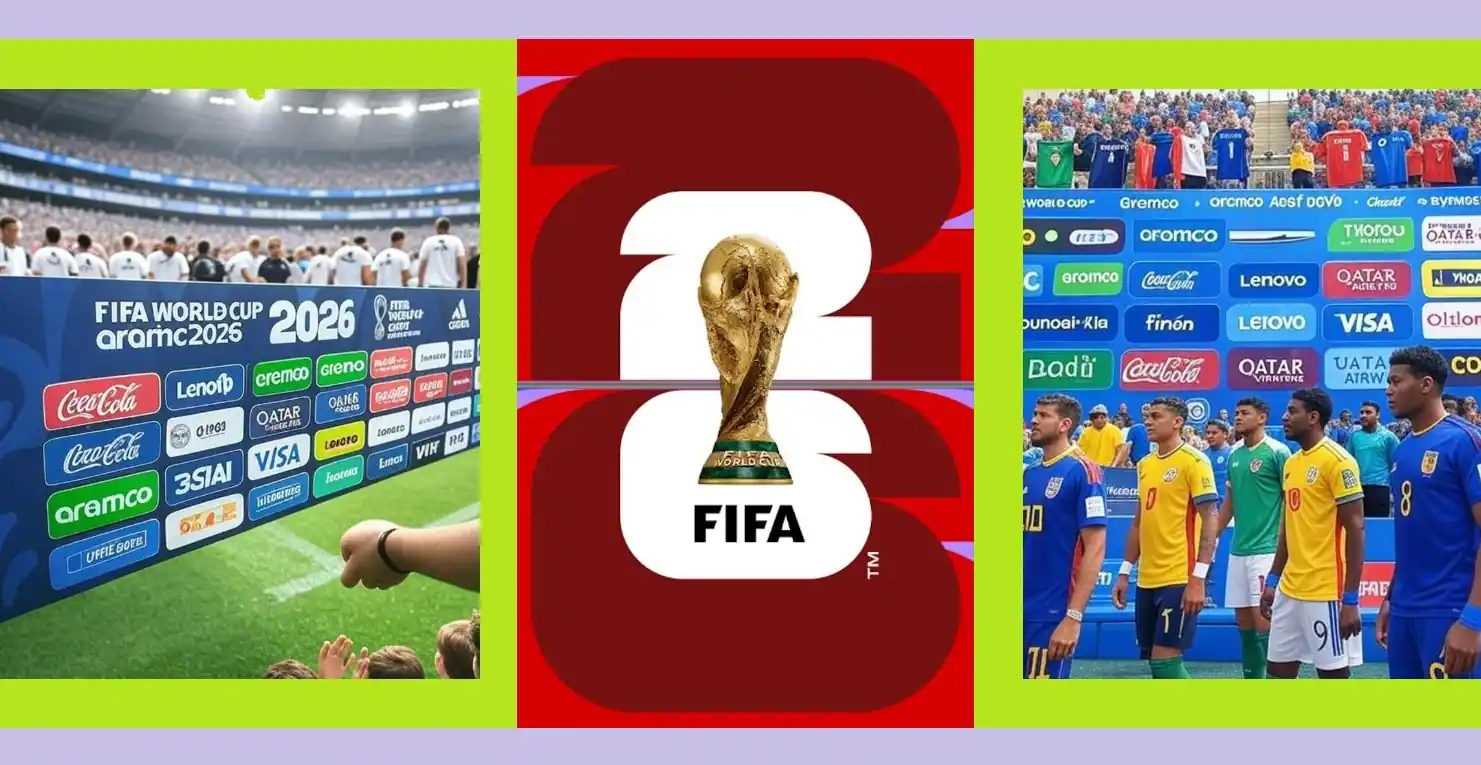
FIFA has announced radical changes to the 2026 World Cup system, increasing the number of participating teams to 48 teams, up from 32 teams in previous editions. This step aims to enhance competition and broaden the game's global reach.
The changes also include a modification of the qualification system, where teams will be divided into 16 groups, with the top two teams from each group advancing to the 32 stage, thereby increasing the chances for smaller teams to qualify.
Event Details
These changes come at a sensitive time as FIFA seeks to attract more fans and increase interest in the World Cup. The tournament is expected to take place in the United States, Canada, and Mexico, reflecting FIFA's desire to enhance cooperation among the three host nations.
Additionally, these changes will provide Arab teams with greater opportunities to qualify and compete on a global level, especially with the increasing number of Arab teams achieving positive results in international tournaments.
Background & Context
Historically, the World Cup has been considered the most important tournament in football, bringing together the best teams from around the world. With the growing popularity of the game, it has become essential to expand the tournament to meet the increasing demand.
In recent years, football has witnessed significant changes, including the introduction of technology in officiating and amendments to the game's rules. These changes reflect a trend towards developing the game and making it fairer and more exciting.
Impact & Consequences
These changes are expected to significantly affect how teams qualify. Teams that were previously considered weak may now find their opportunity to shine on the global stage. Moreover, the increase in the number of matches will enhance the chances for teams to achieve positive results.
Furthermore, these changes may lead to increased revenues from broadcasting rights and sponsorships, benefiting FIFA and the host countries.
Regional Significance
These changes represent a golden opportunity for Arab teams, as they could contribute to an increase in the number of Arab teams participating in the tournament. With the growing interest in football in Arab countries, we may witness the emergence of new talents that will help elevate the level of the game in the region.
In conclusion, these changes represent an important step towards developing global football and reflect FIFA's commitment to expanding the game's base and making it more inclusive.