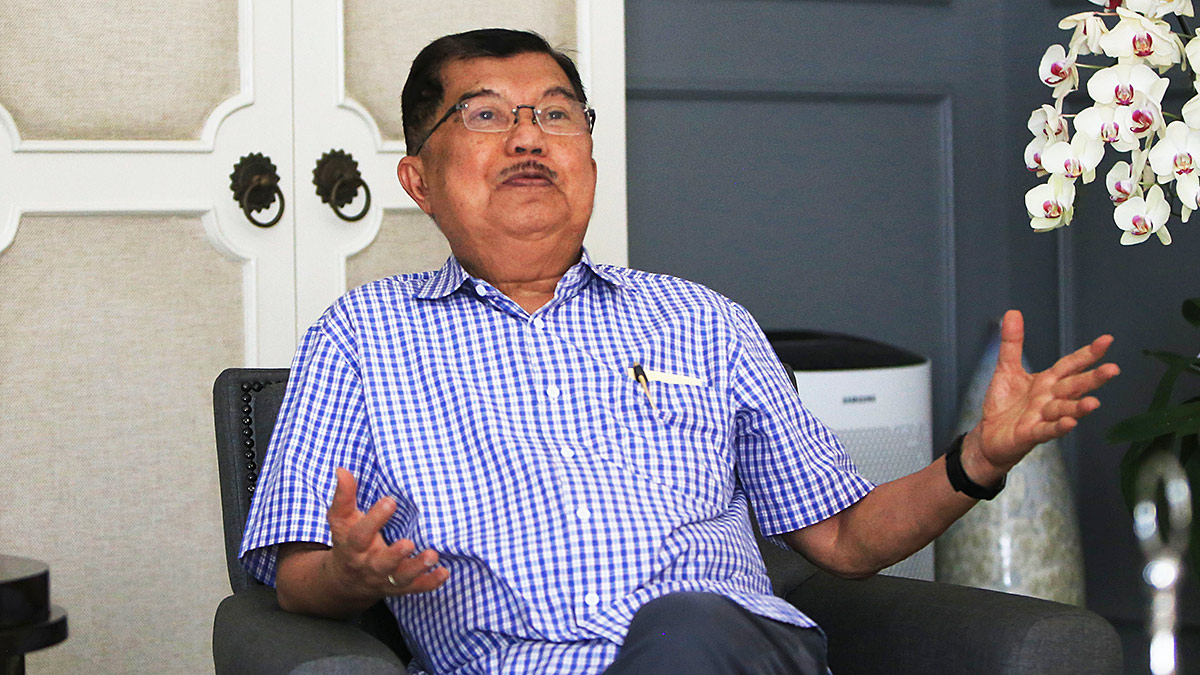
The defense team for former Indonesian Vice President Joseph Kalla has lodged a formal complaint with the Indonesian National Police against Reisman Hasyholan Sianipar for defamation. The complaint is based on statements made by Reisman, alleging that Kalla provided 5 billion rupiah to finance a campaign that casts doubt on the legitimacy of current President Joko Widodo's academic credentials.
On Monday morning, Kalla's defense team arrived at the National Police headquarters in Jakarta, where attorney Abdul Haji Talahu noted that the complaint also involves other individuals implicated in disseminating misleading information via the YouTube platform.
Details of the Incident
Abdul Haji Talahu stated that the complaint is grounded in Reisman's claims that Kalla had financed the campaign questioning Widodo's credentials. He emphasized that these statements are false and harm Kalla's reputation.
The attorney further added that the complaint also includes other remarks made by Mardinsiah Sumar during a podcast appearance, where he accused Kalla of losing the ability to judge rationally. He clarified that these statements also constitute defamation.
Background & Context
This case arises at a sensitive time for Indonesian politics, as doubts about the academic credentials of certain public figures are increasing. The controversy surrounding President Widodo's academic qualifications has sparked widespread debate within Indonesian society, leading to heightened political tensions.
In recent years, Indonesia has witnessed numerous defamation cases, as politicians strive to protect their reputations from accusations that could impact their political careers. This case exemplifies how social media can be utilized to spread misleading information.
Impact & Consequences
This case could have significant repercussions on the political landscape in Indonesia, potentially affecting the reputations of political figures and increasing societal divisions. It also underscores the importance of verifying information before dissemination, especially in the age of rapid information flow.
Moreover, this case may pave the way for further investigations into other defamation issues, which could lead to changes in laws regarding the protection of public figures from false accusations.
Regional Significance
This case highlights the importance of reputation protection in the Arab world as well, where instances of defamation in social media are on the rise. Public figures in the Arab world must be aware of these risks and take legal steps to safeguard their reputations.
Ultimately, this case reflects the challenges faced by public figures globally and emphasizes the importance of responsibility in information dissemination.