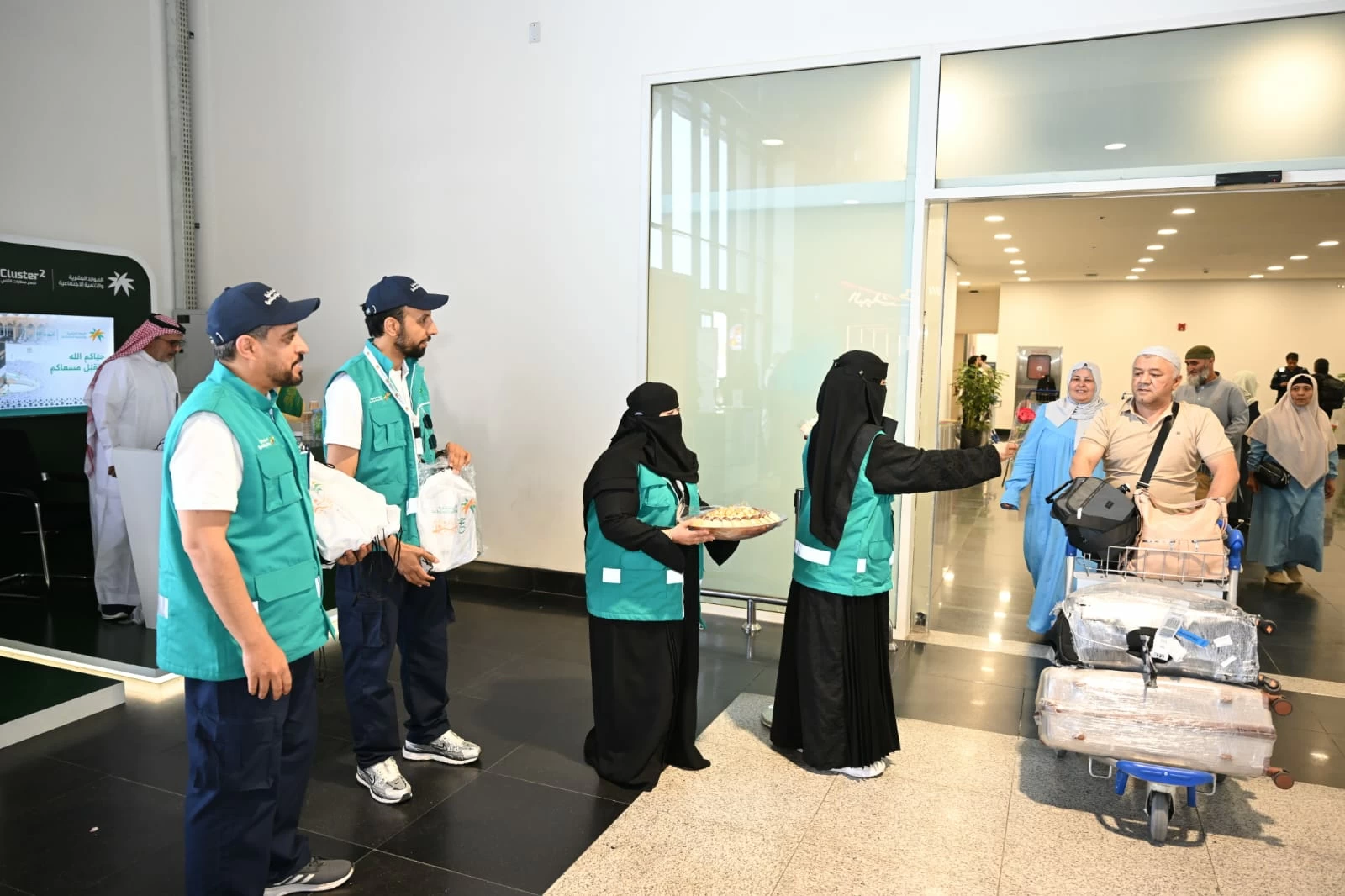
Taif International Airport received the first flights of Hajj pilgrims arriving from Tajikistan this afternoon (Sunday), reflecting the efforts made to facilitate Hajj procedures this year. The airport has been equipped with a comprehensive operational system that contributed to smooth movement and expedited entry procedures, helping pilgrims transition seamlessly to the Miqat for Ihram.
The services provided at Taif International Airport included customs facilitation and expedited passport procedures, in addition to health services offered by the Taif Health Cluster. Awareness booklets were also distributed by the Ministry of Islamic Affairs, Call and Guidance, represented by its branch in Taif, aimed at educating pilgrims about their rituals and the significance of Hajj.
Event Details
This initiative is part of Saudi Arabia's efforts to welcome pilgrims in a comfortable and safe environment. The airport has been equipped with the latest technologies to facilitate entry procedures, with dedicated fast lanes for passport processing, which helped reduce waiting times. Comprehensive health services were also provided for pilgrims, including necessary medical examinations to ensure their safety.
Additionally, gifts and flowers were distributed to pilgrims as part of the "Anwart 47" initiative implemented by the Ministry of Human Resources and Social Development, represented by the Social Development Center in Taif. This initiative aims to enhance the spirit of hospitality and provide support to pilgrims during their journey.
Background & Context
The Hajj pilgrimage is one of the most important religious rituals for Muslims, with millions from around the world traveling to Mecca to perform the rites. As the number of pilgrims increases, Saudi Arabia continues to develop its infrastructure and provide integrated services to ensure a comfortable and safe experience for pilgrims.
In recent years, the Kingdom has witnessed significant improvements in Hajj services, including the development of airports and health facilities, reflecting the government's commitment to providing the best services for pilgrims. These efforts also contribute to enhancing the Kingdom's image as a primary destination for Hajj and Umrah.
Impact & Consequences
This step emphasizes the Kingdom's ability to effectively organize and receive pilgrims, enhancing its status in the Islamic world. Providing integrated services contributes to improving the pilgrims' experience, which may lead to an increase in their numbers in the coming years.
Moreover, the success of these operations may encourage other countries to adopt the same model in organizing their religious events, fostering cooperation among Islamic nations in the field of Hajj and Umrah.
Regional Significance
This initiative is significant not only for the Kingdom but for the entire Arab region, as it helps strengthen religious and cultural ties among Islamic countries. The success of Hajj reflects the ability of Arab nations to organize major events, which could attract more tourists and visitors to the region.
In conclusion, welcoming the first Hajj flights at Taif International Airport represents a positive step that reflects the Kingdom's ongoing efforts to improve Hajj services, contributing to strengthening the bonds among Muslims worldwide.