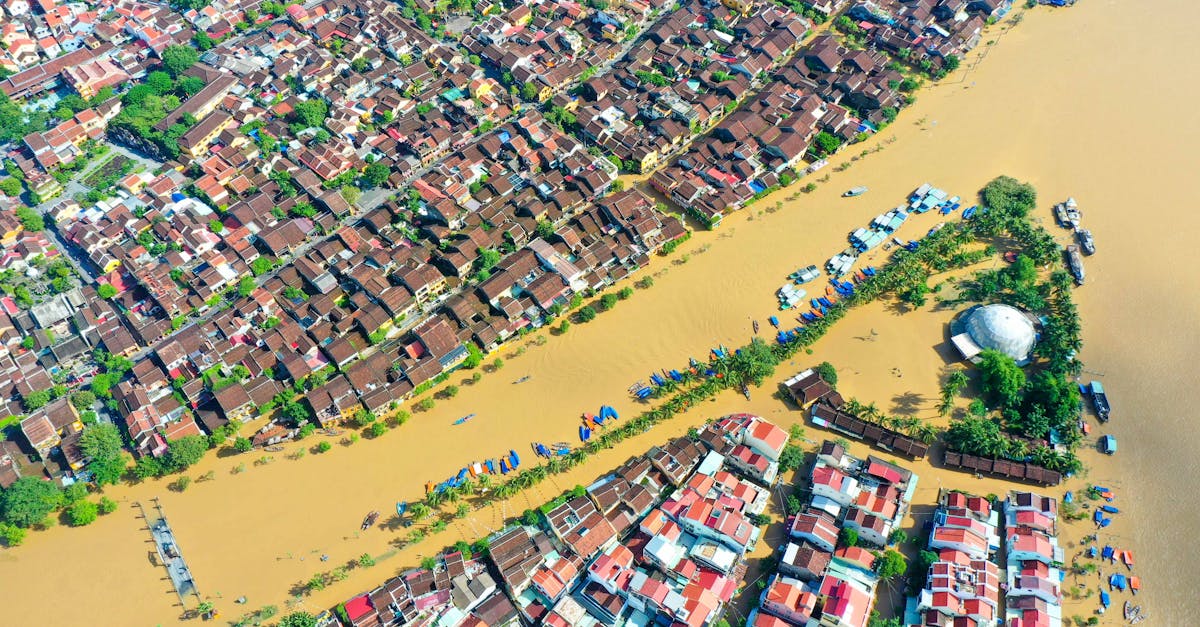
Heavy rainfall since Saturday evening has caused flooding in 11 areas of Kendari, South Sulawesi. Cornelius Padang, head of the local disaster management agency, confirmed that the floods have affected residential neighborhoods, offices, and agricultural lands, leading to a state of emergency in the city.
According to initial reports, the affected areas include flooding in Wawawa and Baruga districts, where two cases were recorded in Wawawa and three cases in Baruga, in addition to other areas like Kilo Rahang Anduinow, Kilo Rahang Mukuaw, and Kilo Rahang Campo. Flooding has also been reported in agricultural regions such as Nanga Nanga.
Details of the Incident
Padang reported that the floods have caused the closure of several main roads, disrupting traffic and leading to the evacuation of some residents. Police teams have been deployed to assist affected residents in evacuation efforts and provide necessary aid.
Meanwhile, Kendari's mayor, Siska Karina Imran, confirmed that the local government is coordinating with the central government to find effective solutions to address the flooding. She noted that the situation requires strong cooperation among various government entities to provide the necessary support to affected residents.
Background & Context
The floods in Kendari are part of a larger issue related to climate change and increasing rainfall rates in the region. South Sulawesi has witnessed a rise in the severity of flooding in recent years, raising concerns among local authorities about the infrastructure's ability to withstand these changing climatic conditions.
Historically, Kendari has been prone to flooding, but recent climate changes have exacerbated the situation. Studies have shown that rising temperatures and increased humidity lead to a greater amount of rainfall in the area, increasing the risk of flooding.
Impact & Consequences
The floods in Kendari cause significant damage to infrastructure and property, affecting residents' daily lives. Additionally, flooding leads to the spread of diseases due to water contamination, posing a threat to public health.
The government needs to take urgent action to improve the drainage system and enhance infrastructure to cope with future floods. There should also be awareness campaigns for residents on how to deal with floods and provide psychological support to those affected.
Regional Significance
The floods in Kendari exemplify the challenges faced by many countries in the Arab region due to climate change. Some Arab nations experience extreme weather phenomena such as droughts and floods, necessitating effective responses from governments and local communities.
Regional cooperation in disaster management can enhance Arab countries' capacity to address climate challenges, ensuring the safety of populations and the sustainability of development.